Where to Buy Pneumatic Bellows Control Valves: Supplier Guide
Choosing a Pneumatic Bellows Control Valve goes beyond pricing. This valve type is used in hazardous, corrosive, or high-purity situations where a leak is unacceptable; thus, the manufacturer is as important as the design. This guide is for procurement teams and engineers who need to know what to look for before placing an order, how to evaluate a candidate supplier's credibility, how the supply chain works, and why CEPAI Group is trusted by buyers worldwide. Whether you're buying a single valve for a test project or establishing a long-term supply relationship, knowing these basics can help you avoid expensive mistakes and choose a reliable partner.
Understanding the Pneumatic Bellows Control Valve Before You Source It

Before contacting suppliers, buyers benefit from a clear picture of what this valve actually does and why its design matters for their specific application.
What Sets This Valve Apart
A Pneumatic Bellows Control Valve eliminates stem leakage in packed valves by using a flexible, hermetically sealed bellows around the valve stem to isolate the process fluid from the outside world. This design is ideal for poisonous, flammable, or environmentally controlled applications where even a minor leak might cause safety or compliance difficulties. Since not every seller supplying a "bellows valve" develops the component with the same rigour, buyers should verify that the bellows is made from a corrosion-resistant alloy and tested to a leak-tightness standard.
Critical Specifications to Request from Suppliers
Buyers should question suppliers to validate the Pneumatic Bellows Control Valve's flow coefficient (Cv), rangeability, pressure and temperature ratings, and bellows fatigue or cycle-life statistics when obtaining quotes. Instead of imprecise marketing promises, reputable producers will give material certifications, test results, and performance curves. Check actuator dimensions and pneumatic supply pressure, since mismatches might cause slow response or inadequate shutdown force after valve installation.
Applications That Shape Your Sourcing Priorities
Most consumers acquire a Pneumatic Bellows Control Valve for a particular application, such as a petrochemical unit handling volatile organic compounds, a pharmaceutical procedure needing high-purity containment, or a power plant requiring zero-leakage. Since manufacturers have different expertise in various domains, knowing your application helps restrict the supplier search. Chemical processing buyers should prioritise corrosion-resistant material providers, whereas oil and gas buyers may prioritise API certification and high-pressure performance.
How to Evaluate and Qualify a Supplier
Once your technical requirements are clear, you need a structured way to compare candidate suppliers on more than price alone.
Certifications and Quality Systems to Verify
One of the easiest methods to identify genuine producers from stock dealers is certification. Find providers with API Q1, API 6D, ISO 9001, ISO 14001, ISO 45001, and CE marking for European equipment. A provider of a Pneumatic Bellows Control Valve supported by a CNAS-recognized testing facility gives extra confidence since it shows in-house competence to verify performance rather than depending on third-party inspection upon shipping.
Manufacturing and Testing Capability
Buyers should enquire about manufacturing floor size, in-house casting and machining, and bellows fabrication and leak testing on-site or outsourced. Instead of offering a fixed catalogue configuration with limited flexibility, a supplier with an established Fluid Control Engineering Technology Research Center or equivalent internal design capability can customise a Pneumatic Bellows Control Valve for unusual pressure, temperature, or chemical requirements.
Reputation with Major Industrial Clients
Current customers may reveal a supplier's dependability. Buyers should enquire whether the manufacturer is authorised by big national oil corporations, chemical makers, or power generating groups, which need comprehensive quality system and production audits. A history of recurrent business with significant industrial organisations implies the supplier can satisfy specifications, deliver on time, and service the valve after installation.
| Evaluation Criterion | What to Verify | Why It Matters |
|---|---|---|
| Certifications | API Q1, API 6D, ISO 9001 | Confirms verified quality management |
| Bellows Testing | Leak-tightness and cycle-life data | Ensures long-term sealing reliability |
| Manufacturing Scale | Plant area, in-house fabrication | Indicates capacity for large or repeat orders |
| Client References | Approved supplier status with major groups | Demonstrates proven reliability |
Understanding the Supply Chain Behind Every Valve
Knowing how raw materials become a finished valve helps buyers anticipate lead times and identify potential bottlenecks before they cause delays.
Upstream Materials and Components
Upstream suppliers provide castings, forgings, seals, and specialised bellows materials like high-grade stainless steel or corrosion-resistant alloys for pneumatic bellows control valve production. Delays or quality difficulties at this point may affect the whole order, so buyers should engage with a manufacturer with strong, long-term upstream vendor connections to prevent material shortages. Established firms usually approve numerous suppliers for crucial components, ensuring stable lead times amid raw material instability.
Midstream Manufacturing and Assembly
Precision machining, bellows manufacturing, and final assembly—including pneumatic actuator fitting and functional testing before shipment—occurs at the midstream stage. Pneumatic Bellows Control Valve quality depends on bellows welding accuracy and leak testing, which impact long-term sealing performance. Buyers should enquire whether functional and leak testing is done on every unit or only samples, since this impacts cost and assurance before the valve delivers.
Downstream Export and Logistics
Buyers must prepare export papers, goods, and destination country customs clearance after manufacture. Valves are wrapped to avoid corrosion and mechanical damage during ocean or air freight; therefore, purchasers should check packaging requirements, particularly for humid or coastal projects. Working with a supplier skilled in exporting to your area may simplify paperwork and decrease customs delays, especially for equipment requiring import certification in regulated sectors.
Comparing Sourcing Regions and Supplier Types
Buyers frequently compare manufacturers across regions, and understanding the trade-offs helps inform a more confident sourcing decision.
Cost and Lead Time Considerations
Chinese manufacturers, including large Pneumatic Bellows Control Valve manufacturers, often have vertically integrated supply chains and large production capacities, which can lead to lower prices and shorter lead times than smaller regional fabricators. Standard configurations benefit from economies of scale, which lower per-unit costs without sacrificing quality. Volume buyers for multi-site projects generally find that pooling orders with a major manufacturer increases cost and schedule certainty.
Quality Assurance Across Regions
First-time shoppers sometimes think cheaper implies inferior quality. Many prominent Chinese manufacturers have API and ISO certifications and in-house testing labs like North American and European vendors. Buyers should seek documented test results and, if budget permits, third-party pre-shipment inspection to ensure that the Pneumatic Bellows Control Valve fulfils specifications before leaving the plant.
After-Sales Support and Spare Parts
Long-term support is commonly disregarded during valve sourcing but crucial once in service. Since delays in getting new bellows, seats, or actuator components may cause expensive downtime, buyers should check spare parts availability, warranty conditions, and technical support before choosing a supplier. Suppliers with export expertise and regional distribution agreements may maintain equipment long after purchase.
| Sourcing Factor | Established Chinese Manufacturer | Smaller Regional Fabricator |
|---|---|---|
| Typical Lead Time | Shorter, due to production scale | Can vary significantly |
| Certification Coverage | Often API, ISO, CE combined | May be limited |
| Pricing on Volume Orders | Generally more competitive | Less economy of scale |
| After-Sales Network | Depends on export experience | Depends on local presence |
Why CEPAI Is a Trusted Source for Pneumatic Bellows Control Valves
For buyers evaluating where to place their next order, CEPAI Group offers a combination of scale, certification, and industry relationships worth serious consideration.
Certified National High-Tech Enterprise
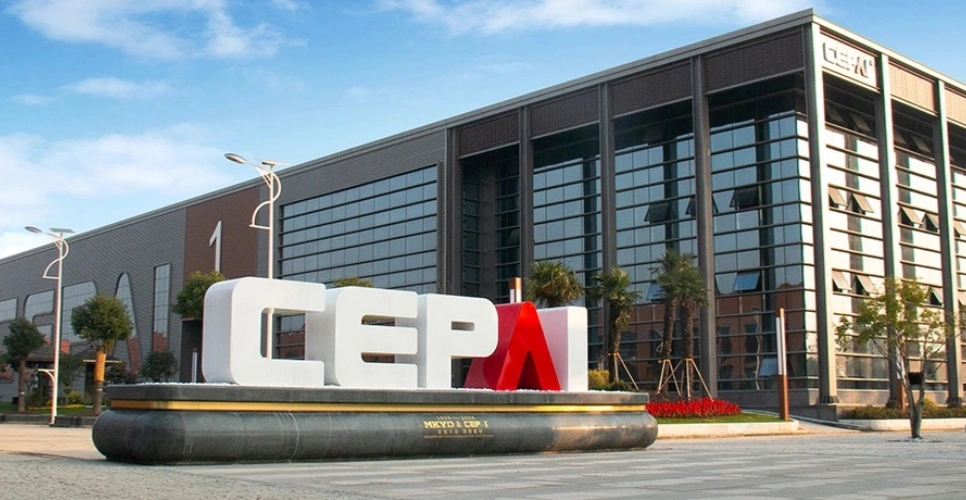
In January 2009, CEPAI Group Co., Ltd. was founded at 333 Jianshe West Road in Jiangsu Province's Jinhu Economic Development Zone with 200 million yuan in registered capital and 56,000 square meters of plant space. The firm is a national high-tech enterprise, a specialised and unique new small gigantic enterprise, Jiangsu Smart Factory, a Jiangsu Internet Benchmarking Factory, and a Mayor Quality Award winner. This scalability and recognition reassure customers that CEPAI can handle prototype orders and big recurrent procurement quantities.
Proven Supplier Qualifications
PetroChina, Sinopec, CNOOC, China Datang Group, China Chemical Engineering, Baowu Group, China Huaneng, and Wanhua Chemical are among CEPAI's supplier qualifying partners. These qualifications usually require extensive auditing of manufacturing processes and quality systems, giving buyers confidence that a CEPAI Pneumatic Bellows Control Valve has met rigorous evaluation standards set by some of the world's largest industrial buyers.
Full Value Chain Integration
From upstream castings, forgings, and seals to midstream design and assembly at its own facilities to downstream petrochemical, power, and metallurgical partnerships, CEPAI covers the whole supply chain. This integration with API Q1, API 6A, API 6D, API 16C, API 602, ISO 9001, ISO 14001, ISO 45001, and CE certifications position CEPAI as a manufacturer that can serve customers from technical inquiry to after-sales service.
Conclusion
Sourcing a Pneumatic Bellows Control Valve requires verifying certifications, manufacturing scale, and supply chain reliability. CEPAI's certified facilities and proven client base make it a strong option. Reach out to start your order today.
FAQ
Q1: What should I verify before buying a Pneumatic Bellows Control Valve?
A: Confirm bellows material, leak-tightness testing, Cv rating, and pressure/temperature ratings against your specific process conditions.
Q2: What certifications indicate a trustworthy supplier?
A: Look for API Q1, API 6D, ISO 9001, ISO 14001, and CE certifications, along with an in-house or CNAS-recognized testing laboratory.
Q3: How long does it typically take to import a bellows control valve from China?
A: Lead times vary by order complexity, but established manufacturers with strong production capacity often offer shorter timelines than smaller regional fabricators.
Q4: Can the valve be customized for corrosive chemical service?
A: Yes, manufacturers with in-house engineering can specify duplex stainless steel, Hastelloy, or fluoropolymer-coated components for aggressive media.
Q5: Does CEPAI supply Pneumatic Bellows Control Valves for international projects?
A: Yes, CEPAI holds API 6D and API Q1 certifications and has supplied equipment to major operators including PetroChina, Sinopec, and CNOOC.
Ready to Source Your Next Pneumatic Bellows Control Valve? Contact CEPAI Now
If you are evaluating suppliers for an upcoming project, CEPAI's certified manufacturing facilities and proven track record with major industrial groups make it a reliable choice for Pneumatic Bellows Control Valves. Our team can provide technical documentation, material certificates, and customized quotations to match your project specifications, whether you need a single unit or a large recurring order. Get in touch to discuss lead times, pricing, and technical requirements for your next procurement. Contact us directly at cepai@cepai.com and let CEPAI support your project from initial inquiry through delivery and beyond.

Get professional pre-sales technical consultation and valve selection services, customized solution services.
About CEPAI
Popular Blogs