Where to Buy and Import Cryogenic Pneumatic Flow Valves?
Importing cryogenic flow control equipment requires more than a low-cost manufacturer. Pneumatic Low Temperature Flow Control Valve buyers for LNG, industrial gas, or refrigeration projects must manage product categorisation, supplier verification, customs processes, and landed cost calculations before receiving a unit. This guide explains what you're buying, how to find a qualified manufacturer, how to import it, how to manage cost and risk in an international transaction, and why CEPAI Group is a preferred source for cryogenic equipment buyers. Understanding these basics will assist you in navigating the quotation-to-delivery process for your first cross-border valve purchase or supplier expansion.
Understanding What You're Importing: The Cryogenic Pneumatic Flow Valve
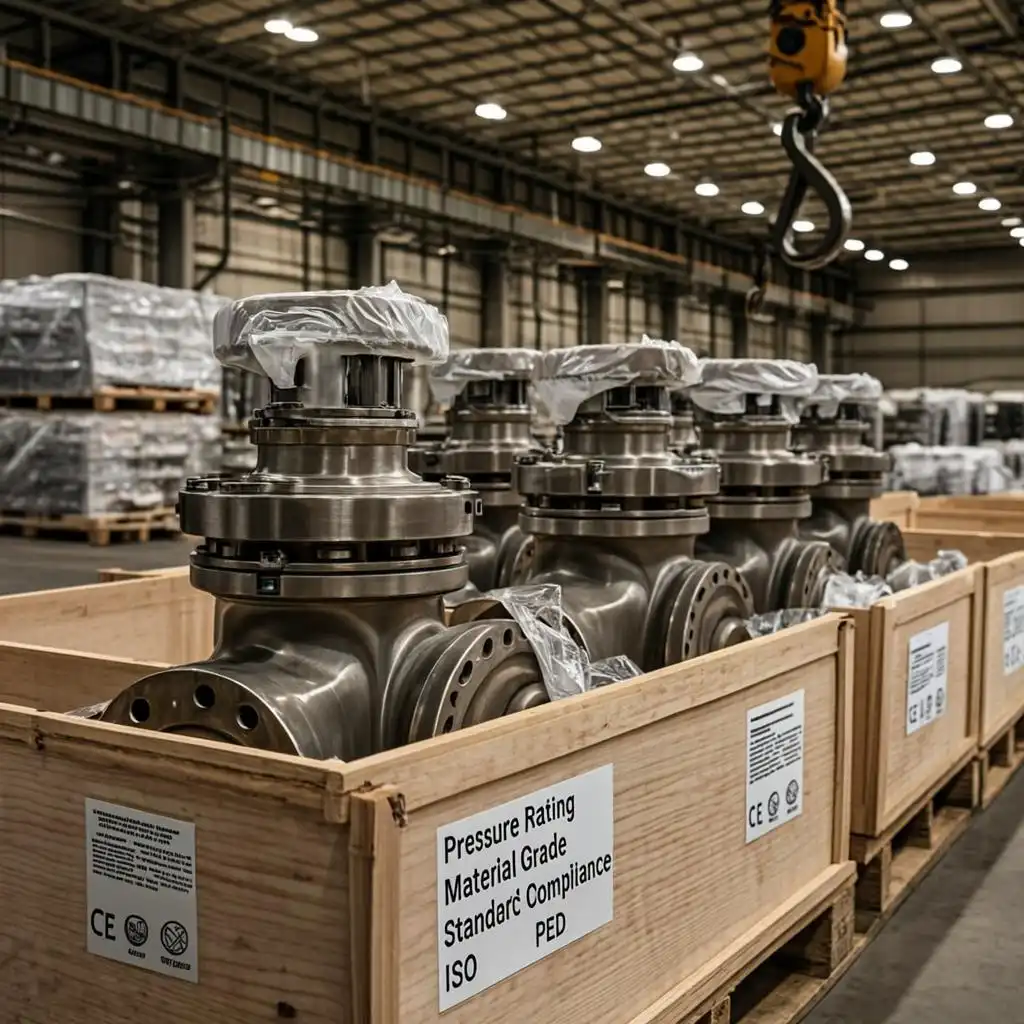
Understand the product and its import classification before contacting suppliers or goods forwarders.
Product Definition and Cryogenic-Specific Features
A compressed air-actuated Pneumatic Low Temperature Flow Control Valve regulates flow in cryogenic and sub-zero applications utilising materials that resist brittle fracture and preserve sealing performance at very cold temperatures. Extended bonnets to separate the actuator and packing from cryogenic fluid, austenitic stainless steel trim, and cryogenic-rated seat and seal materials are usual. A conventional control valve labelled cryogenic-rated will not work successfully in low-temperature use; thus, importers should verify these design specifics with the manufacturer before buying.
Common HS Codes and Product Classification for Customs
Accurate duty computation and border clearance need proper customs categorisation. Pneumatic Low-Temperature Flow Control Harmonised system codes cover industrial process control valves; however, categorisation might vary by destination country and valve design. Since misclassification may cause delays, unanticipated charges, and customs compliance concerns, importers should consult with their customs broker or freight forwarder early to check the exact HS code for their shipment.
Documentation Manufacturers Should Provide
A qualified manufacturer should supply comprehensive documentation alongside every Pneumatic Low Temperature Flow Control Valve shipment, including:
- Material test certificates confirming trim and body composition
- Functional and leak-tightness test reports
- Certificates of origin for customs purposes
- Relevant product certifications, such as API or CE where applicable
- Packing lists and commercial invoices matching the actual shipment
Requesting this documentation package before finalizing an order helps importers confirm the supplier's professionalism and avoid documentation gaps that commonly cause customs delays.
Where to Source: Evaluating Manufacturing Regions and Suppliers
Once you understand the product, the next step is identifying which manufacturing regions and specific suppliers can reliably meet your requirements.
Advantages of Sourcing from Established Chinese Manufacturers
Chinese manufacturers, especially big Pneumatic Low Temperature Flow Control Valve manufacturers, benefit from vertically integrated supply chains, enormous manufacturing capacity, and expertise exporting cryogenic-rated equipment. This combination often results in lower prices and quicker lead times than smaller regional fabricators, especially for mass-produced standard designs. Bulk importers for multi-site projects sometimes find that pooling purchases with one manufacturer improves price uniformity and delivery schedule.
Verifying Certifications Before You Commit
Importers should examine a supplier's certificates before ordering rather than trusting marketing promises. Find manufacturers having API Q1, API 6D, ISO 9001, ISO 14001, and CE certifications and verify certificate numbers with the issuing organization. A legitimate Pneumatic Low Temperature Flow Control Valve provider should be able to provide verifiable, checkable certification paperwork.
Requesting Samples, Test Reports, and Factory Audits
Before ordering a complete production run, importers should seek a sample unit, thorough test results, or a third-party factory audit for large purchases. This is crucial for cryogenic applications, where material and manufacturing quality impact safety. A reliable manufacturer will usually enable reasonable due diligence demands, but refusal to produce samples or allow inspection is a red flag.
| Due Diligence Step | Purpose |
|---|---|
| Certificate Verification | Confirms supplier claims against issuing body records |
| Sample Request | Allows physical inspection before full order |
| Factory Audit | Verifies actual manufacturing capability and quality systems |
| Test Report Review | Confirms material and functional performance data |
Navigating the Import Process Step by Step
Once a supplier is selected, importers need to manage the logistical and regulatory steps required to bring the equipment across the border.
Incoterms and Shipping Arrangements
Choosing explicit Incoterms like FOB, CIF, or DDP at the start of a purchase order determines who is liable for freight, insurance, and risk throughout the transaction. If a Pneumatic Low Temperature Flow Control Valve requires specialised handling or protective packaging, importers should confirm these terms in writing and make sure the freight method matches the equipment's protection needs, especially for ocean freight shipments exposed to humidity and temperature fluctuations.
Customs Clearance and Import Certification Requirements
Pneumatic Low Temperature Flow Control Valve imports may need safety clearances, compliance documents, or import certifications beyond ordinary customs paperwork, depending on the destination country. Since missing paperwork is a leading source of port of entry customs delays and storage costs, buyers should check with their customs broker before the package arrives.
Packaging and Handling for Cryogenic-Rated Equipment
In transport, proper packing protects delicate components like expanded bonnets and precision-machined trim from corrosion and mechanical damage. Importers should check with the manufacturer that packing requirements account for the destination environment, particularly for humid or coastal shipments where ocean freight corrosion is higher. Clear labelling and tight crating avoid transshipment and customs inspection mistreatment.
Managing Costs and Risks in International Procurement
Beyond the manufacturer's quoted unit price, importers need to account for a range of additional costs and risks throughout the transaction.
Total Landed Cost Considerations
Freight, insurance, tariffs, taxes, customs broker fees, and inland transportation to the ultimate destination make up the landed cost of a Pneumatic Low Temperature Flow Control Valve. Before comparing supplier quotes, importers should assess these expenses because a reduced factory price may be countered by greater freight costs or worse Incoterms.
Currency, Payment Terms, and Contract Protections
International purchase orders contain currency exchange risk; therefore, importers should agree on payment conditions like letters of credit or staged payments connected to production milestones that safeguard both sides. A large cryogenic equipment procurement is less risky with clear contractual wording addressing delivery timeframes, quality standards, and non-conformance remedies.
Mitigating Delivery and Quality Risk
Working with an established, well-certified manufacturer reduces delivery delays and quality issues, but importers can further protect themselves with pre-shipment inspection, staged payment structures, and clear written specifications in the purchase order. A Pneumatic Low Temperature Flow Control Valve for a safety-critical cryogenic application, where equipment failure has serious operational and safety ramifications, benefits from these methods.
| Cost/Risk Factor | Mitigation Approach |
|---|---|
| Total Landed Cost | Compare full cost, not just factory price |
| Currency Risk | Agree on currency and payment terms upfront |
| Delivery Risk | Use staged payments tied to milestones |
| Quality Risk | Request pre-shipment inspection and test reports |
Why Importers Choose CEPAI for Cryogenic Pneumatic Flow Valves
For buyers evaluating where to place their order, CEPAI Group offers the combination of certification, manufacturing scale, and export experience that importers should prioritize.
Certified National High-Tech Enterprise
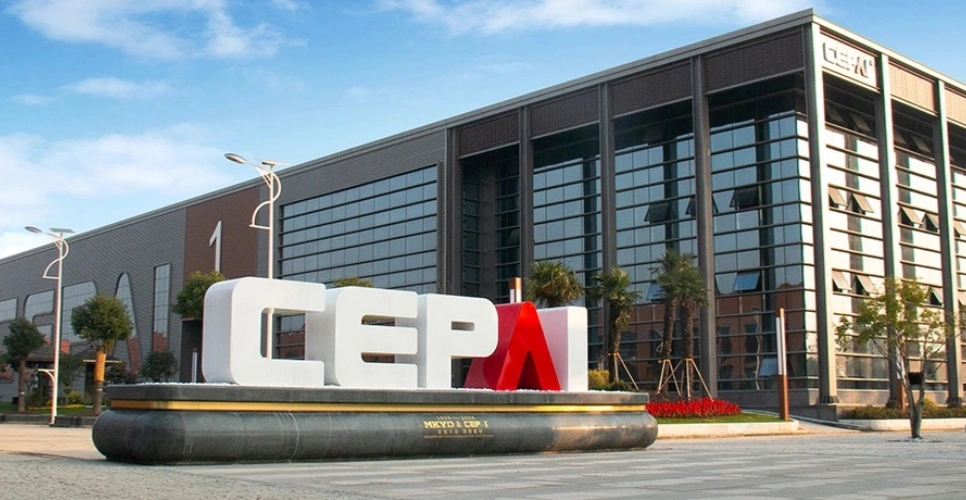
CEPAI Group Co., Ltd., located at 333 Jianshe West Road in the Jinhu Economic Development Zone of Jiangsu Province, was established in January 2009 with a registered capital of 200 million yuan and a total plant area of 56,000 square meters. The company holds API Q1, API 6A, API 6D, API 16C, API 602, ISO 9001, ISO 14001, ISO 45001, and CE certifications, along with a CNAS nationally recognized laboratory, giving importers verifiable assurance behind every Pneumatic Low Temperature Flow Control Valve shipped.
Export-Ready Manufacturing and Documentation
CEPAI's established manufacturing and export processes are built to support international buyers, including complete material certification, test reporting, and export documentation packages tailored to destination country requirements. This experience reduces the administrative burden on importers and helps avoid the customs delays that can arise when working with a manufacturer unfamiliar with international shipping requirements.
Proven Track Record with International Industrial Buyers
CEPAI has obtained supplier qualification status with PetroChina, Sinopec, and CNOOC, along with China Datang Group, Baowu Group, China Huaneng, and Wanhua Chemical, among other major industrial organizations. This track record, combined with full supply chain integration from upstream casting and forging partners through downstream application across petrochemical, power, and metallurgy sectors, gives importers confidence that a Pneumatic Low Temperature Flow Control Valve sourced from CEPAI meets rigorous international standards from raw material to final delivery.
Conclusion
Importing a Pneumatic Low Temperature Flow Control Valve requires verified certifications, clear documentation, and careful cost planning. CEPAI's export-ready manufacturing simplifies this process. Contact us to begin your order.
FAQ
Q1: What documentation should I request before importing this valve?
A: Request material test certificates, functional and leak-tightness test reports, certificates of origin, and relevant product certifications such as API or CE.
Q2: How do I know if a supplier's certifications are genuine?
A: Ask for specific certificate numbers and verify them directly with the issuing certification body rather than relying on marketing claims alone.
Q3: What Incoterms should I use when importing cryogenic valves?
A: Common options include FOB, CIF, or DDP; choose terms that clearly define responsibility for freight, insurance, and risk at each shipment stage.
Q4: Does packaging matter for cryogenic-rated equipment during shipping?
A: Yes, proper packaging protects precision components like extended bonnets from corrosion and mechanical damage, especially during humid ocean freight transit.
Q5: Can CEPAI support the full import documentation process?
A: Yes, CEPAI provides material certificates, test reports, and export documentation packages tailored to international buyers' requirements.
Ready to Import Your Next Cryogenic Pneumatic Flow Valve? Contact CEPAI Today
If you are planning to import a Pneumatic Low Temperature Flow Control Valve for an LNG, industrial gas, or refrigeration project, CEPAI's certified manufacturing and export-ready documentation can simplify the entire process. Our team can provide technical specifications, material certificates, and customized quotations tailored to your destination country's requirements. Reach out today to discuss lead times, Incoterms, and pricing for your next procurement. Contact us directly at cepai@cepai.com and let CEPAI support your project from initial inquiry through successful delivery.

Get professional pre-sales technical consultation and valve selection services, customized solution services.
About CEPAI
Popular Blogs