Where to Buy Electric V-Type Ball Valves: Supplier Guide for Importers
Sourcing industrial valves from overseas is never as straightforward as just choosing the lowest price provided. As an importer working on a petrochemical, power, or water treatment project, the choice of where to acquire an Electric V-type Ball Valve is a question of cost vs quality of manufacture, certification, delivery time, and long-term support. This manual will take you through everything you need to know as an importer before you place an order, how to assess a possible supplier, how the larger supply chain works together, and why manufacturers like CEPAI Group have become a go-to option for buyers that require reliable, certified equipment. Whether you need one valve for a test project or want to establish a long-term procurement relationship, these basics will help you avoid expensive errors and choose a supplier that can match your technical and commercial needs.
How to Evaluate and Qualify a Supplier
Once the technical requirements are clear, importers need a structured way to compare and qualify candidate suppliers.
Certifications and Quality Management Systems
Certification is one of the easiest methods to distinguish the real producers from the trading businesses giving you unverified products. Look for vendors certified to API Q1, API 6D, ISO 9001, ISO 14001 and ISO 45001, and CE marking for equipment sold into the European market. Of course, an Electric V-type Ball Valve from a manufacturer with a CNAS-recognized testing laboratory offers an extra layer of quality assurance, as the manufacturer has the capacity to check performance in-house, rather than depending only on third-party inspection at the time of shipping.
Manufacturing Capability and Plant Scale
For example, plant size and in-house capabilities are good indications of a supplier’s ability to manage big or recurrent orders reliably. Ask about total manufacturing floor size, in-house casting and machining capacity, and if the actuator is made in-house or purchased from a third party. If the conditions of the process are out of the ordinary, it is usually better to use a supplier who has an established Fluid Control Engineering Technology Research Center or an equivalent in-house design capability for a custom Electric V-type Ball Valve than to offer a fixed catalogue product with restricted flexibility.
Track Record with Major Industrial Clients
A supplier’s current client base is a good indication of its dependability. Importers should check that the manufacturer has gained approved supplier status with the major national oil companies, power generation groups or engineering contractors as the qualification processes with these organisations tend to involve extensive auditing of quality systems and manufacturing practices. A history of recurrent business with significant industrial organisations indicates that the supplier can regularly meet spec, deliver on time, and maintain the valve after installation.
| Evaluation Criterion | What to Verify | Why It Matters |
|---|---|---|
| Certifications | API Q1, API 6D, ISO 9001 | Confirms verified quality management |
| Manufacturing Scale | Plant area, in-house casting/machining | Indicates capacity for large or repeat orders |
| Client References | Approved supplier status with major groups | Demonstrates proven reliability |
| Technical Documentation | CV curves, material certs, test reports | Confirms actual performance data |
Navigating the Global Supply Chain for Importers
Understanding how raw materials move through the supply chain to become a finished valve helps importers anticipate lead times and identify potential bottlenecks.
Upstream Raw Material and Component Sourcing
The production of an Electric V-type Ball Valve begins with upstream suppliers providing castings, forgings, seals, and control components. Delays or quality issues at this stage can ripple through the entire order, so importers working with a manufacturer that maintains stable, long-term relationships with upstream vendors reduce their exposure to material shortages. Established manufacturers typically qualify multiple upstream sources for critical components, which helps maintain consistent lead times even during periods of raw material volatility in the broader steel and alloy markets.
Midstream Manufacturing and Assembly
The midstream stage covers the actual design, machining, and assembly of the valve, including fitting the electric actuator and running functional tests before shipment. This is where the quality of an Electric V-type Ball Valve is ultimately determined, since precision machining of the V-notch ball and proper actuator calibration directly affect throttling accuracy. Importers should ask whether functional testing, including seat leakage and cycle testing, is performed on every unit or only on a sample basis, since this affects both cost and the level of assurance provided before the valve ships.
Downstream Logistics and Import Considerations
Once manufacturing is complete, importers need to plan for export documentation, freight arrangements, and customs clearance in the destination country. Valves are typically packaged to prevent corrosion and mechanical damage during ocean or air freight, and importers should confirm packaging standards, especially for projects located in humid or coastal environments. Working with a supplier experienced in exporting to your specific region can simplify documentation requirements and reduce the risk of delays at customs, particularly for equipment subject to import certification requirements in sectors like oil and gas.
Comparing Sourcing Options: China vs Other Regions
Importers often compare Chinese manufacturers to suppliers in other areas, and knowing the trade-offs helps make for a more confident sourcing selection.
Cost and Lead Time Advantages
Large-scale Chinese manufacturers of the Electric V-type Ball Valve often benefit from vertically integrated supply chains and large-scale production capacity, which can provide more competitive prices and shorter lead times than smaller regional fabricators. This is especially the case for typical setups where economies of scale may bring down the unit cost without sacrificing verified quality. Major-volume importers of multi-site projects often find that pooling orders with one major manufacturer results in a better price and a more predictable schedule.
Quality Assurance and Testing Standards
New importers sometimes make the mistake of believing that a lower price equates to a lesser quality product. Many of the well-known Chinese manufacturers have the same international certifications, such as API and ISO standards, as suppliers in North America or Europe, and run similar in-house testing facilities. The importer should ask for documented test results and, if the budget permits, arrange for third-party pre-shipment inspection to verify independently that the Electric V-type Ball Valve fits the agreed standard before leaving the plant.
After-Sales Support and Spare Parts Availability
Long-term support is usually not available at the beginning of the sourcing process, but is crucial after the valve is in operation. Costly downtime might occur from delays in delivery of new seats, seals, or actuator components; therefore, importers should check availability of spare parts, warranty terms, and technical assistance responsiveness before making a commitment to a supplier. Suppliers with prior export experience and regional distribution agreements are often better equipped to support equipment over its entire service life, not only at the time of purchase.
| Sourcing Factor | Established Chinese Manufacturer | Smaller Regional Fabricator |
|---|---|---|
| Typical Lead Time | Shorter, due to production scale | Can vary significantly |
| Certification Coverage | Often API, ISO, CE combined | May be limited |
| Pricing on Volume Orders | Generally more competitive | Less economy of scale |
| After-Sales Network | Depends on export experience | Depends on local presence |
Why CEPAI Is a Trusted Supplier for Importers
Importers deciding where to place their next order should consider CEPAI Group’s size, accreditation and industry ties.
Certified National High-Tech Enterprise
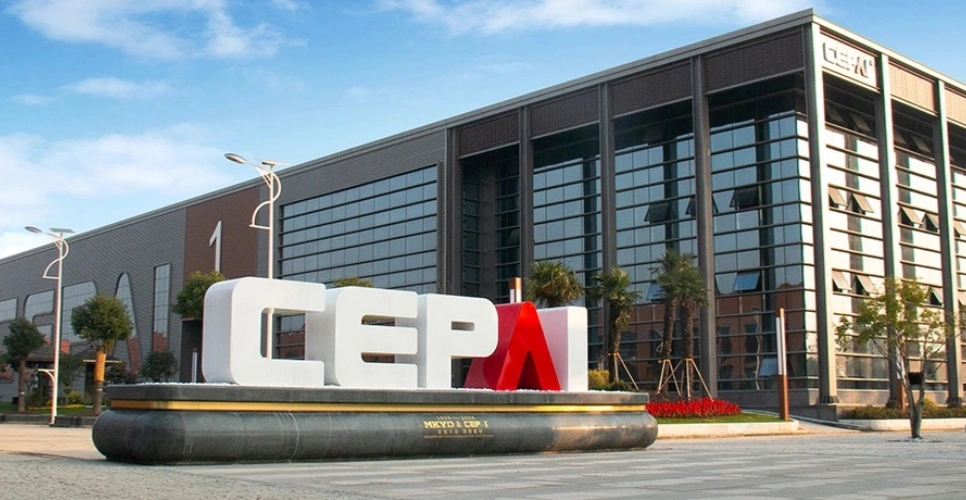
CEPAI Group Co., Ltd. is situated at No. 333 Jianshe West Road, Jinhu Economic Development Zone, Jiangsu Province. It was founded in January 2009 with a registered capital of 200 million yuan and a total plant area of 56,000 square meters. The firm has been recognised as a national high-tech enterprise, a national specialised and new small giant enterprise, and has received honours including Jiangsu Smart Factory, Jiangsu Internet Benchmarking Factory, and the Mayor Quality Award. This size and recognition give importers confidence that CEPAI is able to manage both prototype orders and big recurrent procurement quantities.
Proven Supplier Qualifications with Major Groups
CEPAI has received supplier certification from PetroChina, Sinopec, CNOOC, China Datang Group, China Chemical Engineering, Baowu Group, China Huaneng, and Wanhua Chemical, etc. These qualifications generally involve substantial auditing of manufacturing processes and quality systems, giving importers a strong indication that an Electric V-type Ball Valve sourced from CEPAI has already met rigorous evaluation standards applied by some of the world’s largest industrial buyers.
Full Value Chain Integration
CEPAI’s offering covers the whole supply chain from upstream partners that provide castings, forgings and seals, through midstream design and assembly at its own plant, to downstream connections spanning the petrochemical, power and metallurgy industries. This combination, together with certifications such as API Q1, API 6A, API 6D, API 16C, API 602, ISO 9001, ISO 14001, ISO 45001, and CE, makes CEPAI a manufacturer that can serve importers from the first technical inquiry to long-term after-sales service.
Conclusion
When sourcing an Electric V-type Ball Valve, it is important to examine certifications, production scale, and supply chain dependability. CEPAI’s approved facilities and experienced clientele make it a viable alternative for importers. Contact us to begin your purchase immediately.
FAQ
Q1: What certifications should I look for when buying an Electric V-type Ball Valve?
A: Prioritize suppliers holding API Q1, API 6D, ISO 9001, ISO 14001, and CE certifications to confirm verified quality and manufacturing standards.
Q2: How long does it typically take to import an Electric V-type Ball Valve from China?
A: Lead times vary by order complexity, but established manufacturers with strong production capacity often offer shorter timelines than smaller regional fabricators.
Q3: Can suppliers customize the actuator and communication protocol for my project?
A: Yes, manufacturers with in-house engineering capability can typically configure actuators for 4-20mA, HART, Profibus, or Ethernet-based protocols to match your control system.
Q4: Is third-party inspection recommended before shipment?
A: Yes, arranging independent pre-shipment inspection is a common and advisable practice to verify that the valve meets agreed specifications before it leaves the factory.
Q5: Does CEPAI supply Electric V-type Ball Valves for oil and gas projects internationally?
A: Yes, CEPAI holds API 6D and API Q1 certifications and has supplied equipment to major operators including PetroChina, Sinopec, and CNOOC.
Ready to Source Your Next Electric V-Type Ball Valve? Contact CEPAI Now
If you are an importer evaluating suppliers for an upcoming project, CEPAI's certified manufacturing facilities and proven track record with major industrial groups make it a reliable choice for Electric V-type Ball Valves. Our team can provide technical documentation, material certificates, and customized quotations to match your project specifications, whether you need a single unit or a large recurring order. Get in touch to discuss lead times, pricing, and technical requirements for your next procurement. Contact us directly at cepai@cepai.com and let CEPAI support your project from initial inquiry through delivery and beyond.

Get professional pre-sales technical consultation and valve selection services, customized solution services.
About CEPAI
Popular Blogs