What Is a Pneumatic Low Temperature Flow Control Valve?
Cryogenic and sub-zero processes put particular demands on flow control equipment that normal valves simply are not equipped to manage. A Pneumatic Low Temperature Flow Control Valve is designed for flow control in extreme conditions, from liquefied natural gas storage terminals to industrial refrigeration systems. It is engineered to maintain sealing integrity and control accuracy as temperatures plummet far below freezing. This article discusses what makes this kind of valve unique, how its pneumatic actuation and cryogenic-rated construction work together, where it is used throughout industry, and what purchasers should look for when buying one for their particular low-temperature application. We also look at how a manufacturer such as CEPAI Group applies decades of valve engineering knowledge to this specialised product area.
Defining the Pneumatic Low Temperature Flow Control Valve

Understanding what actually qualifies a valve as suitable for low-temperature service starts with a clear definition of the equipment and its purpose.
Core Definition and Purpose
A Pneumatic Low Temperature Flow Control Valve is a control valve developed and manufactured to manage the flow of cryogenic or sub-zero fluids, utilising compressed air to operate the valve stem and to modulate flow precisely throughout a variety of working conditions. Its aim is to precisely regulate low-temperature fluids, while enhancing production efficiency and product quality. Equally essential is ensuring the safety and stability of the industrial process it supports. Unlike a general-purpose control valve, this design takes into consideration the peculiar behaviour of metals, seals, and lubricants at very low temperatures. Standard materials may become brittle or lose their sealing qualities altogether.
How It Differs from Standard Control Valves
The key distinction between a Pneumatic Low Temperature Flow Control Valve and a standard control valve lies in the materials and construction details chosen to withstand cryogenic exposure. Where a conventional valve might use standard carbon steel and elastomer seals, a low-temperature version typically incorporates:
- Extended bonnets to keep packing and actuator components away from the coldest section of the valve
- Cryogenic-rated body materials selected to avoid brittle fracture at sub-zero temperatures
- Specialized seat and seal materials that remain flexible and leak-tight in extreme cold
- Insulation or purge provisions to prevent ice formation around moving parts
These differences ensure the valve continues to modulate flow accurately even as the process fluid approaches temperatures well below the freezing point of water.
Key Design Elements for Cryogenic Service
In addition to the material selection, a properly designed Pneumatic Low Temperature Flow Control Valve involves design elements to overcome the practical problems of cold service, such as thermal contraction of metal components and possible freezing of moisture around the stem. One of the most recognisable aspects is the extended length of the bonnet, which physically separates the packing gland from the cryogenic fluid to provide sufficient sealing performance. Clearances between moving parts also get careful attention. Materials contract at varying rates as temperature decreases, and a valve not built for this purpose might bind or leak as it cools.
How a Pneumatic Low Temperature Flow Control Valve Works
Understanding the working principle behind this valve type helps clarify why it performs reliably where standard equipment would fail.
Pneumatic Actuation Principles
The Pneumatic Low Temperature Flow Control Valve is similar to other pneumatic valves in that the valve stem and plug are moved by compressed air to position the valve to control flow according to a control signal. This mode of actuation is preferred as it is responsive and reliable for making quick adjustments in flow control when process conditions change. This is especially critical in cryogenic service where temperature swings can happen fast during loading/unloading or process upset conditions. Pneumatic systems help eliminate some of the safety issues with electrical equipment in low-temperature or hazardous situations, as they do not employ electrical components in close proximity to the cold process fluid.
Extended Bonnet and Cold Box Design
Arguably, the most distinctive structural characteristic of this valve type is the enlarged bonnet, which creates a physical barrier between the cryogenic fluid and the actuator, packing, and other temperature-sensitive components. This design prevents the actuator from being exposed to excessive cold that might damage pneumatic seal performance and response. In many installations, the valve may also be included within a cold box or insulated enclosure with other cryogenic equipment, further preserving the extended bonnet portion and reducing heat intrusion that might cause undesirable vaporisation of the process fluid.
Material Selection for Cryogenic Temperatures
The selection of materials is crucial for dependable low-temperature performance, since many popular valve materials become brittle and fracture-prone as temperatures decrease. The Pneumatic Low Temperature Flow Control Valve is adequately specified with austenitic stainless steel and other body and trim materials that are maintained in their toughness and ductility at cryogenic temperatures. Also, the choice of seat and seal materials must be carefully considered. Standard elastomers may harden and lose their sealing capacity at very cold conditions; therefore, specialised cryogenic-rated sealing compounds are required for tight cutoff performance.
| Design Feature | Purpose in Low-Temperature Service |
|---|---|
| Extended Bonnet | Separates packing/actuator from cryogenic fluid |
| Austenitic Stainless Steel Trim | Maintains toughness at sub-zero temperatures |
| Cryogenic-Rated Seals | Preserves flexibility and leak-tight sealing |
| Purge/Insulation Provisions | Prevents ice formation around moving parts |
Industrial Applications of Pneumatic Low Temperature Flow Control Valves
This valve category serves a range of industries where cryogenic or sub-zero fluid handling is a routine part of operations.
LNG Storage and Transportation
A critical component in the energy industry for pressure control during storage and transit of liquefied natural gas and flow control during supply and distribution of liquefied petroleum gas, the Pneumatic Low Temperature Flow Control Valve. LNG is stored and transported at very low temperatures. LNG valves need to retain sealing integrity and accurate flow control of the fluid to guarantee safe loading and unloading as well as pipeline distribution operations throughout import and export ports.
Chemical and Industrial Gas Processing
Pneumatic Low Temperature Flow regulate Valve is widely used in the chemical industry to regulate the flow of low-temperature liquid throughout the whole production process, such as liquid level control in LNG storage and transportation and supply and distribution of liquid nitrogen. These applications need dependable and precise flow control to guarantee product quality and process stability, especially if subsequent operations are susceptible to changes in the supply of cryogenic fluids.
Refrigeration and Cold Storage Systems
The Pneumatic Low Temperature Flow Control Valve is used to manage the temperature of refrigeration systems in the refrigeration industry. These systems include control of refrigerant flow in refrigeration equipment and temperature control in cold storage. In this context, the performance of the valve has a major impact on the entire operation cost of large-scale cold storage operations since reliable and precise flow modulation directly impacts product preservation and energy efficiency.
Key Selection Criteria for Buyers
Choosing the right valve for a specific cryogenic application requires evaluating several interconnected factors.
Temperature Range and Material Compatibility
The single most important selection criterion is confirming that the valve's rated temperature range matches the actual operating conditions of your process, since a Pneumatic Low Temperature Flow Control Valve rated for one cryogenic range may not be suitable for a significantly colder application. Buyers should also confirm that all wetted materials, including seats, seals, and gaskets, remain compatible with both the process fluid and the specified temperature range across the full operating envelope, not just at typical conditions.
Flow Characteristics and Cv Rating
Selecting a valve with an appropriate flow coefficient and flow characteristic curve ensures accurate control across the required flow range without oversizing or undersizing the equipment. Buyers should request Cv curves specific to the cryogenic fluid being handled, since fluid density and viscosity at low temperatures can differ meaningfully from values at standard conditions, affecting how a Pneumatic Low Temperature Flow Control Valve performs in actual service.
Certification and Safety Standards
Given the safety-critical nature of cryogenic fluid handling, buyers should confirm that the valve manufacturer holds relevant industry certifications and can supply material test reports demonstrating compliance with recognized standards. This is particularly important for applications involving flammable or pressurized cryogenic fluids like LNG or LPG, where equipment failure carries significant safety consequences.
| Selection Factor | What to Confirm | Why It Matters |
|---|---|---|
| Temperature Range | Rated range vs. actual process conditions | Prevents material failure in service |
| Cv and Flow Characteristic | Curves specific to cryogenic fluid | Ensures accurate control performance |
| Certifications | Material test reports, industry standards | Confirms safety and reliability |
| Bonnet Design | Extended bonnet length and insulation | Protects actuator from cold exposure |
Why Choose CEPAI for Pneumatic Low Temperature Flow Control Valves
Selecting the right manufacturer matters just as much as selecting the right valve design, particularly for equipment operating in safety-critical cryogenic service.
Certified Manufacturing Excellence
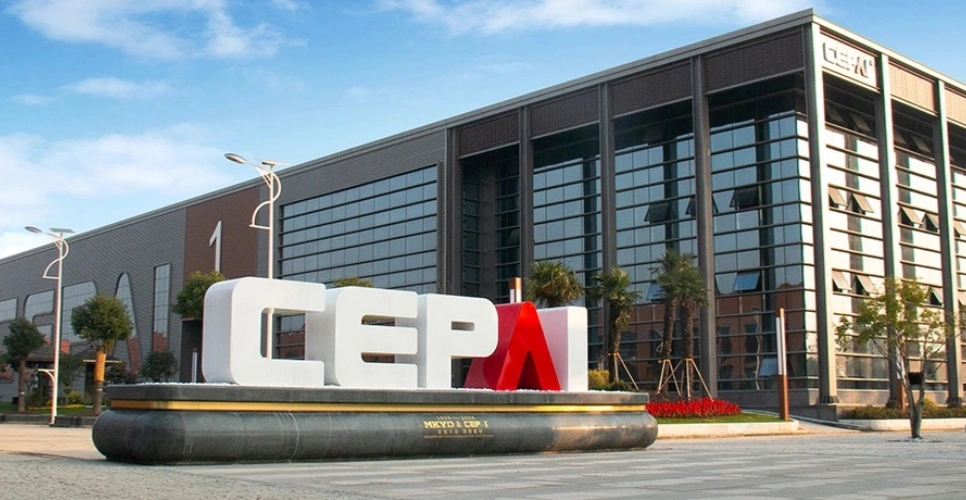
CEPAI Group Co., Ltd., located at 333 Jianshe West Road in the Jinhu Economic Development Zone of Jiangsu Province, was established in January 2009 with a registered capital of 200 million yuan and a total plant area of 56,000 square meters. The company holds API Q1, API 6A, API 6D, API 16C, API 602, ISO 9001, ISO 14001, ISO 45001, and CE certifications, along with a CNAS nationally recognized laboratory, giving buyers confidence that every Pneumatic Low Temperature Flow Control Valve is tested against rigorous international standards.
Engineering and R&D Capability
CEPAI operates a Jiangsu Province certified enterprise Technology Center, a Fluid Control Engineering Technology Research Center, and a High-Performance Fluid Control Device Engineering Research Center, reflecting genuine investment in material science and cryogenic valve design innovation. In addition to low-temperature valves, the company also produces electric control valves, pneumatic and electric ball valves, pneumatic and electric butterfly valves, and fluorine-lined valves, offering buyers a broad portfolio to standardize on a single trusted manufacturer.
Proven Industry Track Record
CEPAI has obtained supplier qualification status with PetroChina, Sinopec, and CNOOC, along with China Datang Group, Baowu Group, China Huaneng, and Wanhua Chemical, among other major industrial organizations. These qualifications require extensive auditing of manufacturing and quality processes, offering strong evidence that CEPAI's valves, including the Pneumatic Low Temperature Flow Control Valve, meet the demanding standards required by some of the world's most rigorous industrial buyers.
Conclusion
A Pneumatic Low Temperature Flow Control Valve enables safe, precise control of cryogenic fluids across LNG, chemical, and refrigeration applications. CEPAI's certified engineering makes it a dependable partner. Contact us today.
FAQ
Q1: What temperature range can a Pneumatic Low Temperature Flow Control Valve handle?
A: The exact range depends on the specific model and materials, but these valves are engineered for cryogenic and sub-zero applications well below standard operating temperatures.
Q2: Why does this valve use an extended bonnet design?
A: The extended bonnet separates the packing and actuator from the cryogenic fluid, protecting temperature-sensitive components from extreme cold.
Q3: Is this valve suitable for LNG storage and transportation?
A: Yes, it is commonly used for pressure and flow control during LNG storage, transportation, and LPG supply and distribution.
Q4: What materials are used for the seals in low-temperature service?
A: Specialized cryogenic-rated sealing compounds are used since standard elastomers can harden and lose sealing capability in extreme cold.
Q5: Does CEPAI offer other valve types alongside low-temperature control valves?
A: Yes, CEPAI also produces electric control valves, pneumatic and electric ball valves, pneumatic and electric butterfly valves, and fluorine-lined valves.
Need a Reliable Cryogenic Valve Solution? Contact CEPAI's Engineering Team Today
If your project involves LNG, industrial gas, or refrigeration applications, choosing the right Pneumatic Low Temperature Flow Control Valve is critical for safety and process reliability. CEPAI's certified manufacturing facilities and engineering research centers can help you select the right materials, bonnet design, and actuator configuration for your specific cryogenic conditions. Reach out today to discuss your project requirements or request technical documentation and material certificates. Contact us directly at cepai@cepai.com and let CEPAI help you achieve safer, more reliable low-temperature flow control.

Get professional pre-sales technical consultation and valve selection services, customized solution services.
About CEPAI
Popular Blogs