What Are the Benefits of a Multiple Electric Sleeve Control Valve?
A multiple electric sleeve control valve is a combination of a multi-stage, cage-style trim with electric actuation for providing fine flow regulation in situations where significant pressure drops, cavitation danger, and noise control are of considerable technical concern. The valve divides the overall pressure drop into multiple stages within a nested sleeve or cage assembly, protecting the trim from erosion rather than depending on a single throttling point. An electric actuator offers accurate, repeatable positioning without the need for a compressed air supply. What makes a multiple electric sleeve control valve successful, what are the unique technical advantages compared to ordinary single-stage valves, and where is it commonly utilized in petrochemical, power, and water treatment operations?
What Is a Multiple Electric Sleeve Control Valve?
Before examining its benefits, it is worth clarifying exactly how this valve type is constructed and why the combination of sleeve trim and electric actuation matters.
Core Definition and Function
Multiple electric sleeve control valve: A multiple electric sleeve control valve is a regulating valve that employs a cylindrical, perforated sleeve or cage inside the valve body to regulate flow when the plug or sleeve moves relative to fixed holes. The sleeve design, compared to the standard globe valve with its single seat and plug, divides the flow route across numerous tiny apertures. This allows the valve to handle enormous pressure differentials without a single harmful jet of high-velocity fluid striking the trim. Various refers to the various levels of pressure reduction integrated into the sleeve design. Electric refers to the way the internal components are actuated to move. All these qualities add up to make the multiple electric sleeve control valve a good choice for demanding pressure-letdown and flow-control jobs.
Multi-Stage Sleeve Trim Design
The key technical characteristic of a multiple electric sleeve control valve is its multi-stage trim, which generally includes nested sleeves or a cage with rows of radial holes designed and spaced to decrease fluid pressure in measured, incremental steps. The velocity and pressure of the fluid are controlled as it goes through each step so as not to exceed the vapor pressure of the liquid at any single location, the root cause of cavitation. This tiered pressure drop also minimizes the kinetic energy available to erode interior surfaces and greatly increases trim life over single-stage systems. This sleeve shape requires precise machining, which is a key difference between simple control valves and better-performing multi-stage systems.
Electric Actuation vs Pneumatic Actuation
While sleeve-trim valves often employ pneumatic actuators, a multiple electric sleeve control valve utilizes an electric motor-driven actuator for positioning the stem or sleeve. This removes the requirement for compressed air, facilitating installation in distant areas or regions where instrument air infrastructure is limited or expensive to expand. Electric actuators also tend to be capable of very accurate digital position feedback and can be incorporated directly into a control network in a plant without the need for an air-to-signal conversion. The multiple electric sleeve control valve is a viable and increasingly popular choice for operators who want to break away from pneumatic utilities, yet want precise throttling control.
Key Benefits for Pressure Reduction and Noise Control
The most compelling reasons engineers specify this valve type relate directly to how well it manages high-pressure-drop applications compared with conventional trim designs.
Multi-Stage Pressure Letdown
A major feature is the multiple electric sleeve control valve, which can safely deal with massive pressure decreases by spreading the reduction across many stages, rather than one throttling point. This phased technique reduces the pressure recovery at each individual step so the fluid pressure remains above the vapor pressure throughout the flow route. There is no violent bubble formation and collapse associated with cavitation. Such a design is immediately useful in applications such as boiler feedwater management, high-pressure recirculation, and chemical process letdown stations, where a typical single-seat valve would have difficulty controlling the same pressure difference without excessive wear and noise production.
Cavitation and Erosion Resistance
The sleeve trim inside a multiple electric sleeve control valve divides the flow into many smaller streams and guides them via well-planned channels so that the consequent energy dissipation greatly decreases the mechanical erosion that affects traditional valve trims. In the last stage, when the residual velocity is greatest, hardened materials are commonly employed to increase the life of components in abrasive or high-pressure duty. This resistance to cavitation damage results in less frequent maintenance and reduced risk of unplanned shutdowns, a characteristic that is particularly valuable in critical process lines, such as power plant feedwater systems, where valve failure may have major downstream consequences for plant availability.
Noise Abatement
A traditional valve trim creates considerable aerodynamic or hydrodynamic noise in high-velocity flow. A multiple electric sleeve control valve reduces it by splitting the flow into a large number of tiny jets, dissipating energy more slowly and at lower maximum speeds. Such noise reduction is particularly critical for sites near residential areas or where occupational noise exposure limitations must be met. Some sleeve trim designs contain extra acoustic treatment, such as diffuser plates or enlarged outlet portions, to further reduce sound created during high-pressure-drop operation. This kind of valve is the recommended choice for companies wanting to optimize both performance and workplace safety compliance, thanks to the combination of staged pressure reduction and noise reduction.
| Benefit | Mechanism | Typical Application |
|---|---|---|
| Cavitation Resistance | Multi-stage pressure reduction keeps fluid above vapor pressure | Boiler feedwater, high-pressure letdown |
| Erosion Resistance | Distributed flow paths reduce localized velocity | Abrasive or high-pressure liquid service |
| Noise Reduction | Multiple smaller jets dissipate energy gradually | Facilities near noise-sensitive areas |
Operational and Control Advantages
Beyond the mechanical benefits of the trim itself, the electric actuation system offers its own set of operational advantages worth examining separately.
Precision Positioning via Electric Actuator
The electric actuator on a multiple electric sleeve control valve typically uses a stepper or servo motor combined with a digital positioner to achieve fine control resolution across the full valve stroke. This precision allows the valve to maintain stable setpoints even in processes with narrow control tolerances, since electric actuators generally offer excellent repeatability without the pressure fluctuations that can affect pneumatic systems. Built-in position feedback also enables continuous monitoring of actual valve position, supporting predictive maintenance strategies. For processes where tight, consistent control is essential, the accuracy delivered by electric actuation is one of the strongest arguments for selecting a multiple electric sleeve control valve over a traditional pneumatic alternative.
No Compressed Air Dependency
Because a multiple electric sleeve control valve does not require an instrument air supply, it significantly simplifies installation in remote or unmanned facilities where running compressed air lines would be impractical or expensive. This independence from pneumatic infrastructure also reduces the risk of control loss during air supply interruptions, a common failure mode in conventional pneumatic valve systems. Facilities transitioning toward electrification or seeking to reduce energy consumption associated with air compressors often find electric actuation aligns well with broader sustainability and reliability goals. This advantage becomes particularly valuable for offshore platforms, remote pipeline stations, and other locations where compressed air logistics present ongoing operational challenges.
Integration with Digital Control Systems
Modern electric actuators used on a multiple electric sleeve control valve typically support communication protocols such as Modbus, HART, or Profibus, allowing seamless integration with distributed control systems and plant historians. This digital connectivity enables real-time diagnostics, including torque monitoring, travel accuracy, and motor health data, which supports more proactive maintenance planning than is typically possible with basic pneumatic actuators. Remote configuration and calibration further reduce the need for on-site technician visits, lowering long-term operating costs. As plants increasingly adopt digital asset management strategies, the built-in connectivity of electric actuation makes this valve type well suited to modern control philosophy.
Applications and Selection Considerations
Understanding where this valve type performs best and how to select the right configuration helps engineers make confident specification decisions.
Typical Industries and Processes
A multiple electric sleeve control valve is commonly found in power generation plants for boiler feedwater and recirculation control, in chemical and petrochemical facilities for high-pressure letdown stations, and in water treatment plants managing pressure reduction on large transmission mains. Oil and gas wellhead and pipeline applications also benefit from its ability to handle significant pressure differentials without excessive noise or trim wear. Across these sectors, the combination of robust mechanical design and precise electric control addresses both the hydraulic and operational challenges that conventional single-stage valves struggle to manage reliably over extended service periods.
Sizing and Trim Selection
Proper sizing of a multiple electric sleeve control valve requires the same fundamental Cv calculations used for other control valves, but with additional attention to the number of pressure-reduction stages needed for the specific application's total pressure drop. Engineers must evaluate the fluid's vapor pressure margin at each stage to confirm cavitation is avoided throughout the entire flow path, not just at the final outlet. Trim material selection also depends on the fluid's abrasiveness and corrosiveness, with hardened alloys typically specified for the highest-velocity final stage. Working closely with the valve manufacturer during this selection process helps ensure the finished assembly matches the actual process conditions rather than a generic sizing assumption.
Maintenance and Reliability
Because the multi-stage trim in a multiple electric sleeve control valve is designed to minimize erosion and cavitation damage, routine maintenance intervals are typically longer than those required for conventional single-stage valves operating under similar pressure conditions. Electric actuators also reduce maintenance complexity by eliminating air filters, regulators, and solenoid valves associated with pneumatic systems, while built-in diagnostics help operators identify developing issues before they cause unplanned downtime. Scheduled inspection of the sleeve trim for wear, along with periodic actuator calibration checks, remains good practice to confirm the valve continues to deliver its rated performance throughout its expected operational lifespan.
| Selection Factor | Consideration |
|---|---|
| Total Pressure Drop | Determines the number of sleeve stages required |
| Fluid Vapor Pressure | Confirms cavitation margin at each stage |
| Trim Material | Hardened alloys for abrasive or high-velocity service |
| Actuator Communication | Modbus, HART, or Profibus for DCS integration |
Why Choose CEPAI's Multiple Electric Sleeve Control Valve
Manufacturing Strength and R&D Capability
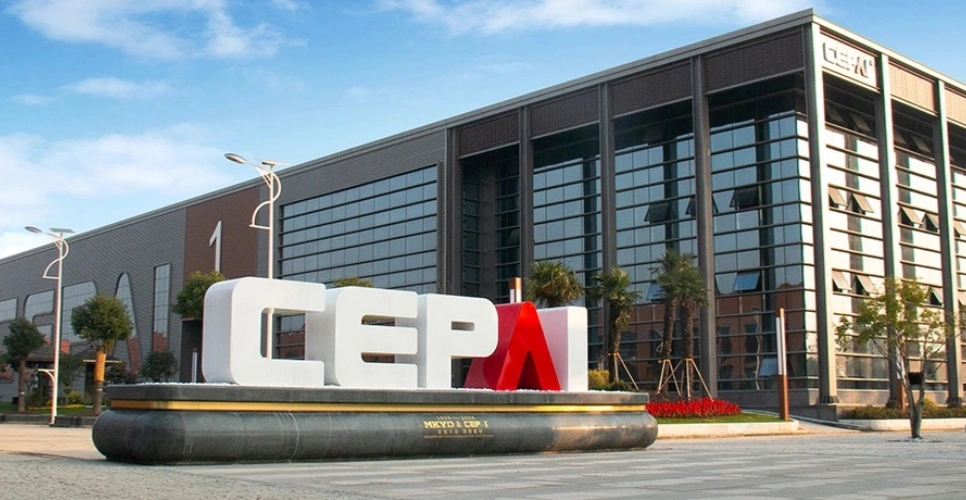
CEPAI Group Co., LTD., located at 333 Jianshe West Road in the Jinhu Economic Development Zone of Jiangsu Province, was established in January 2009 with a registered capital of 200 million yuan and a 56,000-square-meter production facility. As a national high-tech enterprise focused on wellhead devices, pipeline valves, and regulating valves, CEPAI applies its Fluid Control Engineering Technology Research Center and High-Performance Fluid Control Device Engineering Research Center to the design of sleeve-type regulating valves, including the multiple electric sleeve control valve. This engineering depth allows the company to precisely machine multi-stage trim geometry suited to demanding pressure-letdown and cavitation-prone service.
Certifications and Quality Standards
Each multiple electric sleeve control valve produced by CEPAI is supported by an extensive certification portfolio, including API Q1, API 6A, API 6D, API 16C, ISO 9001, ISO 14001, ISO 45001, ISO 3834, ISO 17025, CE, and PED. These credentials confirm that design, welding, and testing procedures meet globally recognized quality benchmarks demanded by major oilfield service companies and engineering firms. A CNAS-accredited laboratory further supports in-house verification, ensuring every multiple electric sleeve control valve shipped to a customer has been validated for pressure integrity, trim durability, and actuator accuracy before entering field service.
Trusted by Major Industry Players
CEPAI holds supplier qualification status with PetroChina, Sinopec, and CNOOC, and maintains partnerships with organizations including China Datang Group, Baowu Group, China Huaneng, Wanhua Chemical, and Yulong Petrochemical. Recognized as a national specialized and special new small giant enterprise and winner of the Mayor Quality Award, the company integrates upstream casting and forging suppliers, midstream valve manufacturing, and downstream application partners such as China Guodian into a coordinated supply chain. This proven track record across petrochemical, power, and metallurgy sectors gives engineers confidence when specifying CEPAI's multiple electric sleeve control valves for critical pressure-reduction applications.
Conclusion
A multiple electric sleeve control valve combines multi-stage cage trim with precise electric actuation to deliver reliable performance in high-pressure-drop, cavitation-prone, and noise-sensitive applications. From boiler feedwater systems to chemical letdown stations, its staged pressure reduction protects trim life while electric actuation removes the dependency on compressed air infrastructure. Choosing a properly engineered valve from an experienced, certified manufacturer like CEPAI ensures long-term reliability and process stability. Engineers evaluating a new high-pressure control point should consider this valve type carefully when conventional single-stage designs cannot meet the application's demands.
Contact our sales engineers today at sales@cepai.com to request technical documentation, discuss your application requirements, or receive a competitive quote for your upcoming project.
FAQ
Q1: What makes a multiple electric sleeve control valve different from a standard control valve?
It uses a multi-stage sleeve or cage trim to reduce pressure gradually, minimizing cavitation and erosion compared with single-stage designs.
Q2: Why use electric actuation instead of pneumatic?
Electric actuation removes the need for compressed air, offers precise digital positioning, and simplifies installation in remote locations.
Q3: Does this valve reduce operating noise?
Yes, breaking flow into multiple smaller streams dissipates energy gradually, significantly lowering noise compared with single-stage trim.
Q4: What industries commonly use this valve type?
Power generation, petrochemical processing, and water treatment facilities frequently use it for high-pressure letdown applications.
Q5: How is a multiple electric sleeve control valve sized correctly?
Sizing follows standard Cv calculations while also evaluating vapor pressure margins across each pressure-reduction stage.

Get professional pre-sales technical consultation and valve selection services, customized solution services.
About CEPAI
Popular Blogs