What Applications Need a Pneumatic Vacuum Butterfly Valve?
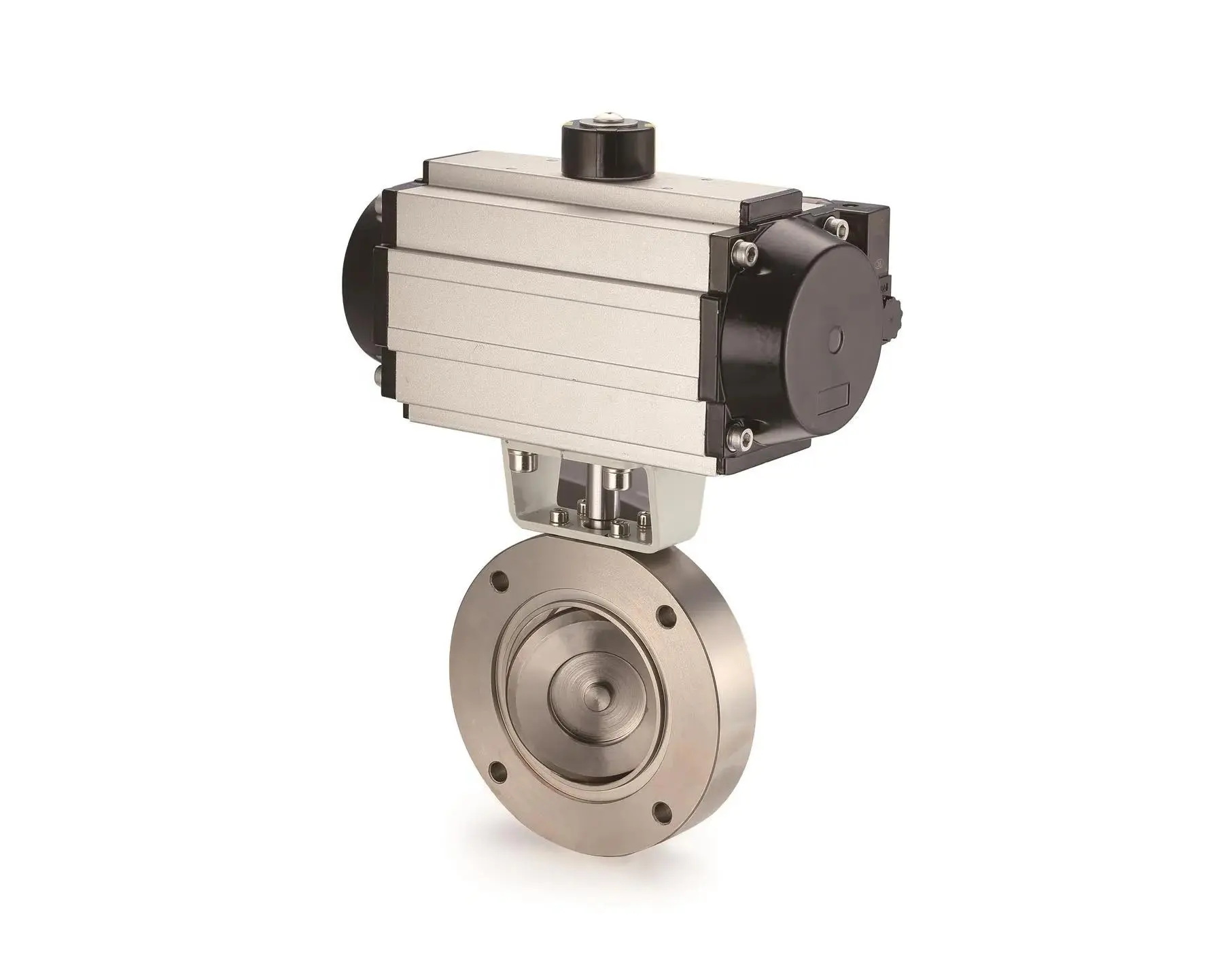
A pneumatic vacuum butterfly valve may be a small, quick-cycling alternative to a bulky gate valve for isolation in many low-pressure and sub-atmospheric applications, while maintaining dependable sealing performance. This valve is designed particularly to shut off or regulate the flow of gas for vacuum applications and has a lightweight disk and seat construction with pneumatic actuation for rapid, repeatable operation. In this article, we’ll look at the industrial applications that really benefit from a pneumatic vacuum butterfly valve, the design considerations that make it ideal for sub-atmospheric service, and how to pick the optimal configuration for a specific operation. We refer throughout to the butterfly valve product range of CEPAI Group, a producer of pipeline valves and butterfly valves for oil, gas, and industrial process applications.
Core Design Features That Enable Vacuum Service
Sealing Performance Under Sub-Atmospheric Conditions
The pneumatic vacuum butterfly valve must seal leak-tight against a pressure difference across the disk that is trying to draw air inside rather than pushing process fluid outward—the opposite sealing issue of conventional pressure-service valves. This needs an elastomer seating material such as FKM or Viton, which is molded exactly around the valve body so that it does not leak air inwards when the disk is placed. Leak rates for a well-designed pneumatic vacuum butterfly valve may be as low as 10-6 to 10-9 mbarL/sec depending on the quality of construction, a significant parameter for operations where even little air entry can degrade product quality or process stability.
Lightweight Disc and Fast Actuation
Compared to gate or globe valves for identical isolation function, a pneumatic vacuum butterfly valve has a much smaller footprint and disk mass, which allows for quicker open-close cycling powered by a pneumatic actuator. The quick reaction is especially useful in situations where fast isolation is needed, such as shielding a vacuum pump from a sudden upset of pressure or swiftly closing a chamber in the event of a process stoppage. The pneumatic actuator is usually double-acting or spring-return, as needed by the fail-safe mode. The maximum torque output is independent of the cycle frequency, providing high duty cycle operation required by many vacuum isolation applications.
Materials Suited to Vacuum and Process Media
Because vacuum systems generally deal with process gases of variable chemical characteristics, a pneumatic vacuum butterfly valve is often made of stainless steel body and disk materials to resist corrosion and yet retain the dimensional stability essential for dependable sealing. For certain elastomers, deterioration occurs in the presence of specific solvents or process chemicals used in coating and semiconductor applications; hence, seal materials must be compatible with the particular gas or vapor being handled. CEPAI’s butterfly valve product line comprises stainless steel construction alternatives to meet the wide variety of gas handling needs encountered in industrial vacuum, chemical processing, and gas distribution applications.
| Design Element | Typical Specification | Purpose |
|---|---|---|
| Seat Material | FKM/Viton elastomer | Prevents inward air leakage |
| Body/Disc Material | Stainless steel (304/316) | Corrosion resistance, stability |
| Leak Rate | 10⁻⁶ to 10⁻⁹ mbar·L/s | Vacuum integrity |
| Actuator Type | Pneumatic double-acting/spring-return | Fast, repeatable cycling |
Industrial Vacuum Systems and Process Equipment
Vacuum Pump Isolation
A vacuum butterfly valve is most often used to isolate a vacuum pump from the process chamber it is servicing, to protect the pump during maintenance or avoid backflow contamination while the pump is off. Vacuum pumps are a substantial capital investment and are generally shared across many process lines; therefore, reliable isolation is important to minimize unforeseen downtime or cross-contamination between processes. The compact profile of a pneumatic vacuum butterfly valve is particularly well suited to this role, as pump skid layouts often have limited space for larger isolation valve alternatives.
Semiconductor and Coating Equipment
Accurate vacuum control is essential for semiconductor manufacturing and thin-film coating processes, and a pneumatic vacuum butterfly valve is often used to separate process chambers during wafer or substrate handling cycles. These applications need very low leak rates, quick actuation to save cycle time, and to maintain the integrity of the chamber vacuum between process stages. This is especially true for high-throughput manufacturing when equipment durability directly impacts production yield and overall equipment effectiveness.
Industrial Gas Handling and Distribution
Apart from specialized manufacturing equipment, pneumatic vacuum butterfly valves are also used in larger industrial gas handling systems, including vapor recovery units, air separation procedures, and vacuum-assisted pneumatic conveying systems. In these applications, the valve is used to control or isolate the flow of gas in pipe systems operating under partial vacuum for activities such as the transfer of materials or the management of emissions. CEPAI’s track record of delivering valve solutions to petrochemical, power, and metallurgy clients demonstrates the wide industrial need for reliable vacuum-rated flow control devices throughout gas processing and material handling systems.
Process Industries That Rely on Vacuum Butterfly Valves
Petrochemical and Refining Applications
Refineries and petrochemical facilities employ pneumatic vacuum butterfly valve in vacuum distillation columns, vapor recovery systems, and different process units where sub-atmospheric pressure is purposefully maintained to produce specified separation or reaction conditions. Such situations generally include vacuum service with exposure to hydrocarbon vapors, necessitating careful selection of seal materials that resist chemical assault while retaining leak-tight performance. The sort of certified, corrosion-resistant construction required for vacuum applications in hydrocarbon processing settings is shown by CEPAI’s comprehensive pipeline and process valve portfolio, which serves major oilfield service and petrochemical firms.
Power Generation and Desulphurization Systems
Pneumatic vacuum butterfly valves are used in power plants, in the vacuum of condenser systems and flue gas desulphurization equipment, where accurate sub-atmospheric conditions are required to ensure turbine efficiency and emission control compliance. In condenser applications, dependable vacuum integrity has a direct bearing on overall plant thermal efficiency, and valve sealing performance is a substantial contributor to operating cost. The need for vacuum-rated isolation equipment in this industry is evident as we manufacture CEPAI’s regulating and butterfly valve products for clients throughout the power generation supply chain, including major utility and engineering organizations.
Chemical Processing and Vacuum Drying
In chemical industrial processes such as vacuum drying, distillation, and solvent recovery, a pneumatic vacuum butterfly valve is often required to separate process vessels or to control the gas flow in batch or continuous operations. In these applications, it is common to cycle through vacuum conditions when the vessels are evacuated and vented. This puts repeated stress on valve seals designed to withstand frequent cycling of pressure. Choosing a pneumatic vacuum butterfly valve that has a confirmed cycle life and chemically suitable seal materials might assist chemical processors in avoiding expensive seal replacement and unanticipated production disruptions.
| Industry | Typical Application | Key Requirement |
|---|---|---|
| Semiconductor/Coating | Chamber isolation | Ultra-low leak rate, fast cycling |
| Petrochemical/Refining | Vacuum distillation, vapor recovery | Chemical-resistant seals |
| Power Generation | Condenser vacuum, FGD systems | Reliable long-term sealing |
| Chemical Processing | Vacuum drying, solvent recovery | Cycle durability |
Selecting the Right Pneumatic Vacuum Butterfly Valve
Matching Valve Size to System Vacuum Level
Selecting an appropriately sized pneumatic vacuum butterfly valve requires understanding the specific vacuum range the system operates within, since low, high, and ultra-high vacuum applications each place different demands on seal design and leak rate performance. Undersizing the valve can create unwanted flow restriction, while oversizing may increase actuator cost without providing proportional benefit. Reviewing actual system flow and pressure requirements, rather than defaulting to nominal pipe size, helps ensure the selected pneumatic vacuum butterfly valve performs efficiently across the intended operating range without introducing unnecessary pressure drop.
Fail-Safe Actuator Configuration
Because vacuum isolation often protects critical equipment such as pumps or sensitive process chambers, selecting the correct fail-safe actuator behavior for a pneumatic vacuum butterfly valve is an important safety consideration. Spring-return actuators can be configured to fail open or fail closed depending on which state better protects the process during an air supply interruption, while double-acting actuators rely entirely on continuous air supply for positioning. Process hazard analysis should guide this decision, particularly in applications where uncontrolled venting or unexpected isolation could create safety or product quality risks.
Partnering with a Certified Manufacturer like CEPAI
Given the precision required for reliable vacuum sealing, sourcing a pneumatic vacuum butterfly valve from a certified, experienced manufacturer supports long-term operational reliability. CEPAI Group holds API6A, API6D, API602, ISO9001, ISO14001, ISO45001, and CE certifications, backed by dedicated fluid control engineering research centers and a CNAS-recognized testing laboratory. These credentials, combined with supplier qualifications from PetroChina, Sinopec, and CNOOC, provide assurance that a CEPAI pneumatic vacuum butterfly valve has been engineered and tested to standards appropriate for demanding industrial vacuum applications across oil, gas, power, and chemical processing industries.
Conclusion
The pneumatic vacuum butterfly valve is used in a variety of applications requiring leak-tight isolation under sub-atmospheric circumstances, including vacuum pump isolation, semiconductor chamber sealing, petrochemical vapor recovery, and power plant condenser systems where compact, fast-cycling isolation is needed. Proper seal material selection, size, and fail-safe actuator arrangement are critical to provide dependable long-term performance. CEPAI Group was founded in 2009 and is a national high-tech firm with API and ISO certifications. It offers butterfly valve solutions, wellhead devices, and pipeline valves for the oil, gas, power, and chemical sectors worldwide. When choosing equipment for essential isolation duty, engineers must carefully consider particular vacuum requirements.
FAQ
Q1: What leak rate can a pneumatic vacuum butterfly valve achieve?
A: High-quality designs typically achieve leak rates between 10⁻⁶ and 10⁻⁹ mbar·L/s depending on construction.
Q2: Is this valve type suitable for semiconductor applications?
A: Yes, its fast cycling and low leak rate make it well suited to chamber isolation in fabrication equipment.
Q3: What seal materials are commonly used?
A: FKM/Viton elastomers are standard, though material selection depends on process gas compatibility.
Q4: Can a pneumatic vacuum butterfly valve be used for pump isolation?
A: Yes, this is one of its most common applications, protecting vacuum pumps during maintenance or shutdown.
Q5: How does fail-safe actuator selection affect safety?
A: Choosing fail-open or fail-closed behavior based on process hazard analysis helps protect equipment during air supply loss.
Need a Reliable Vacuum Isolation Solution?
Whether your application requires vacuum pump isolation, chamber sealing, or process gas handling, CEPAI's engineering team can help you select the right pneumatic vacuum butterfly valve configuration for your system. Backed by API and ISO-certified manufacturing and proven experience supplying major oil, gas, and industrial companies, CEPAI delivers valve solutions built for demanding vacuum applications. Contact sales@cepai.com today to request technical datasheets and a recommendation tailored to your specific process requirements.

Get professional pre-sales technical consultation and valve selection services, customized solution services.
About CEPAI
Popular Blogs