Is a Large Capacity Self-operated Control Valve Fail-Safe?
A Large Capacity Self-operated Control Valve may fail safely using mechanical safeguards and fail-mode settings. These valves operate without power using fluid pressure differentials and have spring-loaded actuators or pilot mechanisms that fail open or shut after pressure loss or system failure. Their inherent design ensures process continuity and safety when control signals fail, making them vital in critical applications. Self-operated control valves with enormous capacity manage industrial fluid flows without electricity or compressed air. Because unexpected shutdowns or equipment damage may be devastating, oil & gas, chemical processing, and electricity production require fail-safe capabilities. Procurement managers, operations engineers, and firm owners may safeguard assets and people with these valves' fail-safe reliability. Self-operated control valve fail-safe concepts, comparisons to other valve technologies, maintenance best practices, selection and procurement techniques, and real-world case studies are covered in this handbook. We advise decision-makers on identifying and maintaining valves that work effectively in harsh situations.
Comparing Large Capacity Self-Operated Control Valves with Other Control Valve Types

Operational Independence Versus Electric and Pneumatic Alternatives
Electric and pneumatic actuators are the most popular types of control valves because they are accurate and can be controlled from a distance. Still, they need power from outside sources: motor-driven valves need electricity, and pneumatic actuators need compressed air. If these valves don't have backup systems or battery packs, they could get stuck in dangerous situations if the power goes out or the instrument air flow stops. Large Capacity Self-operated Control Valves get rid of this weakness by only taking energy from the medium being processed. This freedom means lower installation costs, less upkeep, and better dependability in dangerous or remote places.
When you pair pneumatic motors with positioners, you get very accurate control that works well in situations where you need to change loads quickly. On the other hand, Self-operated Control Valves work best in steady-state processes where stable pressure or flow downstream is more important than millisecond response times. Self-operated valves give you peace of mind without sacrificing safety when power isn't always available, like on offshore platforms or facilities in emerging markets.
Manual Control Valves and Fail-Safe Limitations
Manual control valves can't be used for dynamic processes or operations that don't need to be watched because the operator has to change the flow. Manual valves are easy to use and don't use any power, but they don't have built-in fail-safes, so if a user forgets to stop a valve in an emergency, the situation gets worse. Self-operated control valves do this job automatically, going to safe states right away so there is no chance of human error.
Self-operated valves have manual overrides that can be used as a backup in case of repair or other unusual situations, but the automatic fail-safe reaction is still the main safety measure. This mixed method strikes a good balance between operating freedom and safety assurance, which is very important in fields like petrochemicals where seconds count.
Material and Design Innovations Enhancing Fail-Safe Performance
Modern Self-operated Control Valves have improvements that make them more reliable even if something goes wrong. Balanced plug designs lower the force needed to move, which lets springs be lighter and respond faster. In sour gas or chloride environments, alloys that don't rust, like duplex stainless steel or Inconel, make things last longer. High differential pressures and thermal cycling can't hurt pressure-loaded diaphragms with strengthened cloth layers. This is important for large-capacity uses that have to deal with harsh circumstances.
The following table shows how the following features of Large Capacity Self-operated Control Valves are different from those of electric and gas options:
| Attribute | Self-Operated Control Valve | Electric Actuated Valve | Pneumatic Actuated Valve |
|---|---|---|---|
| Power Requirement | None (fluid-powered) | Electrical supply | Compressed air supply |
| Fail-Safe Default | Automatic (spring/pilot) | Battery backup or fail-lock | Air failure spring-return |
| Installation Cost | Low | Moderate to high | Moderate |
| Maintenance Frequency | Low (mechanical wear) | Moderate (motor/electronics) | Moderate (air leaks/filters) |
| Response Time | Moderate (seconds) | Fast (milliseconds) | Fast (milliseconds) |
| Suitability for Remote Sites | Excellent | Poor (power needed) | Fair (air supply needed) |
| Accuracy in Variable Loads | Good (steady-state) | Excellent | Excellent |
This example shows that there isn't just one type of valve that works in all situations. Teams that buy things have to think about how the process works, the power connections, and safety concerns. The engineering team at CEPAI Group helps clients with this review and makes sure that the best valves are chosen based on fail-safe goals and operational facts.
Ensuring Reliable Fail-Safe Operation: Maintenance and Troubleshooting
Preventive Maintenance Practices for Fail-Safe Integrity
Maintaining fail-safe reliability demands proactive steps. Spring tension, diaphragm quality, and seal integrity should be checked every 3–6 months, depending on duty load. Calibration ensures fail-safe setpoints meet design. This avoids temperature drift and wear. Before they wear out, replace O-rings, gaskets, and springs for safety.
A digital asset management system can track valve serial numbers, inspection dates, and component replacements, according to the CEPAI Group. It helps repairmen discover trends that suggest problems. CEPI's Self-operated Control Valves include OEM replacement components and clear service instructions, simplifying maintenance and decreasing downtime.
Reduce friction and lubricate stems and actuator pivots to improve responsiveness and component life. Pressure signals are modified, and fail-safe is triggered by preventing sensing line blockage. By training maintenance personnel to recognise valve movement delays and strange noises, teams may avoid expensive breakdowns.
Structured Troubleshooting for Swift Fail-Safe Restoration
Auto-control: Organised diagnostics make valve faults like leakage, uneven modulation, and inability to reach the fail-safe position simpler to resolve. To check sensing accuracy, disconnect the valve and measure upstream and downstream pressures. Check the actuator diaphragm for tears or cracks that might jeopardise fail-safe performance. Check the spring for rust if a fixed set needs replacement.
Worn or dirty valve plugs may hinder a tight shutdown. Check pilot units for debris and diaphragm damage. Controlled valve strokes and response delays may show actuator, pilot, or main body issues. Engineering assistance at CEPAI leverages AR-enabled video chats to remotely diagnose complicated problems for on-site workers.
Energy-efficient designs decrease air leaks and mechanical stress, improving reliability. Turbulence and cavitation are reduced via streamlined flow lines, increasing internal part life. Lower activation pressures cut spring failure cycles, preserving fail-safe response for decades. These technological breakthroughs in CEPAI's products translate repair knowledge into consumer benefits.
Selecting and Procuring Large Capacity Self-Operated Control Valves for Fail-Safe Applications
Key Fail-Safe Performance Metrics to Evaluate
Valve selection begins with setting key performance factors. Response time—the time between decreasing pressure and the complete fail-safe position—must be within process safety standards. A quicker reaction prevents pressure escapes and containment breaches. Danger analysis determines fail mode (open or shut). Flammable gas systems must fail-close to prevent leaks, while cooling water lines must fail-open to prevent overheating.
Pressure handling skills include operating pressure and valve maximum pressure differential. Large Capacity Self-operated Control Valves must handle large flow rates without pressure decrease to save energy. The flow coefficient (Cv) helps determine the valve's optimal size, which is normally between 20% and 80% of its trip, so it doesn't become unstable at either end.
Temperature ratings, process fluid compatibility, and external considerations like shaking further reduce the possibilities. API 6A for wellhead equipment and API 6D for pipeline valves ensure that the design fulfils industry standards, which is crucial for restricted area approvals. CEPAI Group valves are API Q1, ISO 9001, CE, and SIL certified, ensuring quality and reliability.
Partnering with Trusted Suppliers for Quality Assurance
To achieve fail-safe valves, deal with manufacturers that have technical expertise, manufacturing capabilities, and after-sales support. Certified vendors give OEM technical support to customise valve specifications for process circumstances. Warranty coverage and fail-safe performance protect purchasing budgets. Quality control papers and third-party inspections like API 598 hydrostatic testing and XRF positive material identification demonstrate the stringent manufacturing procedure.
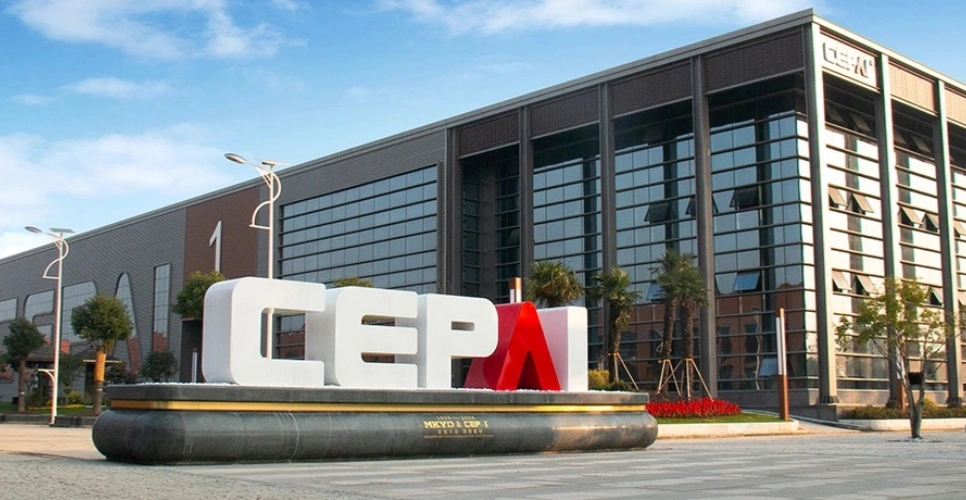
The 56,000-square-meter CEPAI Group facility contains Asia-Pacific's longest high-precision intelligent flexible manufacturing line. CNC lathes, automated machine centers, and robotic welding cells maintain measurements. CNAS-accredited laboratories perform leak testing, cycle endurance tests, and SIL verification to ensure each valve fulfils fail-safe design requirements before shipping.
Procurement managers want straightforward pricing, lead times, and customisation for non-standard applications. Buy in bulk for volume savings, simplified delivery, and specialised technical assistance to strengthen supplier relationships. CEPAI's expert procurement team helps companies streamline RFQ procedures, give detailed bids, and negotiate conditions that balance cost with long-term reliability.
Procurement Considerations for Streamlined Sourcing
Expert assessment and business negotiations are needed for successful procurement. Customised Self-operated Control Valves may take months to develop and manufacture, although basic variants ship within weeks. Project delays may be prevented by setting delivery timelines beforehand.
Cash flow management should match deposits, milestone payments, and credit agreements. SMBs save money with open-term suppliers. CEPAI Group handles a variety of payment arrangements for customers from all sectors and regions.
Logistics and shipping expertise ensure valves arrive safely and on schedule. International sourcing is simplified by export documentation, customs clearance, and freight forwarding. CEPAI logistics partners reduce global supply chain risks with real-time monitoring and backup preparations. Commissioning, training, and online monitoring enhance value after the purchase and develop long-term valve connections.
Real-World Applications and Case Studies Demonstrating Fail-Safe Performance
Industrial Sectors Relying on Fail-Safe Self-Operated Control Valves
Oil and gas need fail-safe valves that can endure high pressures, chemicals, and temperatures. Wellhead pressure regulators control subsurface-to-surface fluid flow. Equipment failure blowouts are prevented via fail-close. Large self-operated control valves maintain gearbox pressure at pipeline pressure control stations. Pipeline safety requires blocked valves to open.
Chemical processing plants that handle hazardous or reactive substances have emergency fail-safe valves. If cooling fails, reactor feed systems stop reactant flow via fail-close valves. This controls replies. Distillation column pressures fail-open. This avoids overpressure containment breaking.
Auto-control valves schedule chlorine and backwashing in water treatment systems. Failure-safe modes safeguard health against over- or under-disinfection. Power plants' boiler feedwater and fuel gas supply lines use these valves. They maintain turbine efficiency and heat resistance. CEPAI Group services several sectors. They provide valves to PetroChina, Sinopec, CNOOC, Wanhua Chemical, and others in six countries.
Detailed Case Study: Fail-Safe Performance in Extreme Conditions
A large North Sea oil company had pneumatic control valve troubles during winter storms that affected instrument air supply. Faulty equipment caused workplace accidents and lost time, leading to a search for alternatives. CEPAI Group and the client's technical team selected self-operated valves to regulate wellhead pressure.
Selecting a pilot-operated fail-close valve. This stopped gas flow when pressure dropped. Duplex stainless steel bodies and Inconel trim avoided chloride pitting and sulphur stress fractures. Factory acceptance testing showed failure-safe response in two seconds under simulated failures, surpassing customer safety limits.
CEPAI technicians installed and trained the equipment during a planned pause. Despite bad weather, the valves activated without fail-safe activation for 24 months. During pressure fluctuation testing, technicians confirmed valves fail-close in 1.8 seconds. Gas leaking was avoided. This performance verified fail-safe design and enabled platform network deployment.
Best Practices Distilled from Field Experience
Field data from throughout the world indicates fail-safe dependability. Choose valve sizes that work in normal conditions for fail-safe response without overstressing actuators and springs. Sensor lines must be protected from freezing, debris, and mechanical damage to send correct pressure. Upstream filtering eliminates particles that might obstruct valve plugs or pilot systems.
Changing the valve to its fail-safe position during routine function testing assures preparedness without waiting for an emergency. Test results and reaction times may be tracked over time to assess damage and schedule repairs. Regular supplier audits and performance reviews help firms improve.
Learn fail-safe ideas to improve situational awareness and quickly detect valve faults and take emergency action. Process safety involves maintenance, operations, and engineering working together on fail-safe valve management. CEPAI Group's professional support network encourages these best practices for world-class mission-critical app safety and availability.
Conclusion
Large Capacity Self-operated Control Valves have strong fail-safe performance because they are mechanically designed to go back to safe places when the control fails, so they don't need any outside power. Because they can work on their own, use little energy, and are reliable, they are essential in industries like oil and gas, chemicals, and power where safety must be maintained. To make sure you choose the best valves and handle them well, you should understand fail-safe principles, compare valve technologies, do proactive maintenance, and buy from certified providers like CEPAI Group.
By adding fail-safe Self-operated Control Valves to your systems, you can protect people, property, and the environment while also cutting down on the costs of power infrastructure and emergency shutdowns. This article gives buying managers, engineers, and business owners the information they need to make smart choices that improve safety and operational excellence.
FAQ
1. How do self-operated control valves maintain fail-safe positions without external power?
Self-operated control valves store mechanical energy in the form of springs or hydraulic pilot mechanisms. In normal operation, the pressure of the process fluid on the actuator diaphragms balances this energy, which changes the position of the valve. When the pressure drops, the spring force takes over and moves the valve to its fail-safe position, which could be fail-open or fail-close.
2. What maintenance indicators signal fail-safe function requires attention?
Slow valve reaction during stroking tests, breaks or discoloration in the diaphragm that can be seen, spring rust or permanent set, more leaks past seals, and pressure sensing line blockages are some of the most important signs. Predictive maintenance can be done before failures happen by keeping track of part replacements and fail-safe response times.
3. Can valves be customized to meet specific industrial safety requirements?
Yes, companies like CEPAI Group let you make a lot of changes. For example, they can change the fail-mode setup or the material to make it better for places that are corrosive or hot. They can also change the size of the parts to fit the flow and pressure of the process, and they can get them certified to meet regional safety standards. Working together as engineers makes sure that valves work well with tools for managing process safety.
Partner with CEPAI Group for Reliable Fail-Safe Valve Solutions
You can trust CEPAI Group to make high-quality Large Capacity Self-operated Control Valves. They combine decades of engineering experience with the latest in smart manufacturing. The ISO 9001, API Q1, and SIL certifications on our valves show that they work reliably all over the world, protecting activities in the oil and gas, chemical, and power industries. We promise accuracy, durability, and compliance with international standards thanks to our 56,000-square-meter smart factory and CNAS-accredited laboratories.
Our team can help you with everything, from choosing the right size and configuration to installation, setup, and upkeep throughout its lifetime, whether you need standard configurations or fail-safe solutions that are specifically made for harsh conditions. Contact cepai@cepai.com right away to talk about your project needs, get detailed paperwork, or get quotes with choices for buying in bulk and fast delivery. Use fail-safe valve technology to make your processes safer, more reliable, and more stress-free.

Get professional pre-sales technical consultation and valve selection services, customized solution services.
About CEPAI
Popular Blogs