How to Maintain High Performance Electric Lined Fluorine Ball Valve?
Maintaining a high-performance electric-lined fluorine ball valve requires systematic inspections, proper cleaning, timely lining assessments, and precise actuator calibration. Regular visual checks every three months, coupled with proper lubrication of electric components and monitoring of seal integrity, prevent leakage and actuator failure. Operating within specified temperature and pressure ranges while following manufacturer guidelines preserves the fluoropolymer lining from chemical degradation. Partnering with certified suppliers ensures access to quality replacement parts, technical training, and lifecycle support—critical factors that extend valve service life and minimize unplanned downtime in corrosive media applications.
Understanding the High Performance Electric Lined Fluorine Ball Valve
High Performance Electric Lined Fluorine Ball Valves are made to be strong mechanically and have high chemical resistance to meet the strict needs of industries that work with corrosive fluids. There is a fluoropolymer layer inside these valves, usually F46 (FEP) or PFA, that protects the metal surfaces inside from acids, alkalis, and chemicals that are harsh. The valve body, which is made of WCB carbon steel or CF8 stainless steel, can keep its shape even when it's exposed to strong chemicals that would normally cause it to rust or pit quickly because of this barrier.
Core Design Features
Putting together electric motors and ball mechanisms lined with fluorine makes a protected, automatic flow control system. Electric actuators that are driven by 220V or 380V sources turn the ball in a precise 90-degree circle. This makes the valve go from fully open to fully closed. When you mix this quarter-turn motion with the straight-through ball shape, you get very little pressure drop and quick response times. The actuator gets control signals, usually 4-20mA DC, from programmed logic controllers or distributed control systems. This lets it be controlled from afar and connect to automation networks that run throughout the plant.
Technical Specifications Overview
Knowing the technical details of these valves helps people who buy things match the right tools to the needs of the process. The following table lists some of the most popular standards used in industrial settings:
| Specification | Details |
|---|---|
| Nominal Diameter | DN15 to DN400 mm (½" to 8" ANSI) |
| Pressure Rating | 150LB, PN16, and PN25 |
| Lining Materials | F46 (FEP), PFA |
| Body Materials | WCB lined F46, CF8 lined F46, WCB lined PFA, CF8 lined PFA |
| Temperature Range | -30°C to +70°C; normal temperature media |
| Connection Type | ANSI and DIN norms for flanges |
| Actuator Power | 220V and 380V AC |
| Signal for Control | 4-20mA DC |
| Flow Characteristic | O-shaped ball that opens quickly and goes straight through |
These requirements make sure that the product can be used in places where accuracy and resistance to corrosion are essential, like chemical processing, pharmaceutical production, and petroleum refining.
Typical Valve Configurations
Lined fluorine ball valves come in a number of different shapes and sizes to meet the needs of different applications. Standard two-way designs allow for simple on-off control, while trunnion-mounted versions offer better sealing when high pressure is present. Multi-port setups, like three-way or four-way designs, let you change the flow direction or mix it without having to use multiple valves. The main benefit of each design is the same: the fluoropolymer lining protects wet surfaces, and the electric actuator makes sure that the positioning is reliable and consistent.
Common Maintenance Challenges and Causes of Performance Decline
Even though they are built to last, High Performance Electric Lined Fluorine Ball Valves have special upkeep needs that can affect their performance if they are not taken care of right away. Maintenance teams can stop small problems before they become expensive failures by spotting early warning signs and figuring out what's really going on.
Leakage and Seal Degradation
One of the most common speed problems is leakage. Leaks on the outside are usually caused by packing seals that are worn out, while leaks on the inside are usually caused by damage to the fluorine lining or seat surfaces. Packing materials, like V-type PTFE or flexible graphite, stop sealing well over time because they are exposed to chemicals, heat and cold, and mechanical stress. When packing breaks, process fluids move along the stem of the valve, which can be dangerous and is against the law for the environment.
Internal leakage is usually caused by rough particles stuck in the sealing surfaces or the ball and seat not being lined up correctly. Even small misalignments let media get around the closed valve, which slows down the process and contaminates equipment further down the line. In chemical processes that use acidic or basic solutions, this leaking can damage pipes and instruments in other ways.
Actuator Malfunctions
Electric actuators have gears, motors, and electrical parts that can be damaged by things in the surroundings. Moisture, changes in temperature, and shaking all speed up the wear on motor windings and gear teeth. When actuators break, valves can't be controlled remotely, so workers have to make changes by hand, which takes time and throws off production plans.
Problems with actuators can also be caused by power supply fluctuations. If the voltage changes or the grounding isn't right, the valve can't stay in the open or closed position it's supposed to be in. This strange behavior throws off control systems and sets off fake alarms, which takes repair workers' attention away from real equipment problems.
Fluorine Lining Degradation
The fluoropolymer covering is very resistant to chemical damage, but it can still be broken down in other ways. Chemicals that aren't designed to be around the valve, like aromatic oils or solvents that are easy to permeate, can cause it to grow, crack, or delaminate. These effects are made worse by thermal stress from sudden changes in temperature, especially at pipe joints where thermal gradients are strongest.
Lining integrity can also be lost through physical damage during installation or operation. If you tighten the flange bolts too much, they can crush the covering and cause stress cracks that spread when the pressure loads change. When the covering breaks, process media come into contact with the metal below, which starts corrosion that makes the valve less reliable.
Consequences of Inadequate Maintenance
Maintenance that isn't done leads directly to operational and financial losses. Unplanned downtime for emergency repairs hurts output goals and costs a lot of money for upkeep. People can be exposed to dangerous chemicals when seals fail or linings break, which can lead to safety issues, fines, and damage to the company's image. It can cost more than tens of thousands of dollars to replace valves that fail too soon, especially large-diameter ones. This does not include the value of the production that was lost.
Step-by-Step Maintenance Guide for Optimal Valve Performance
An organized repair program keeps High Performance Electric Lined Fluorine Ball Valves working well and makes them last longer. The steps below give repair teams a useful guide for taking care of electric-lined fluorine ball valves in tough settings.
Routine Inspection Schedule and Checklist
Setting up a regular inspection schedule keeps things from going astray and finds new problems before they get worse. Visual checks every three months are the basis of any repair program. During these checks, techs should look for rust on the outside, make sure there are no leaks in the packing glands, and make sure the actuator mounting is solid.
Important things on the checklist are making sure the valve and pipes are lined up correctly, checking the torque on the flange bolts to make sure they aren't too tight or too loose, and listening for strange noises while the valve cycles. Noises like grinding or screaming can be signs of gear wear or not enough lubricant. Vibration levels should stay within the limits set by the maker. Too much vibration could mean that the motor is misaligned or that the bearings are wearing out.
Monitoring temperatures can help with diagnosis even more. During operation, actuator housings should stay cool to the touch. If they get too hot, it could mean that the electrical resistance is too high or the motors are overloaded. Thermal imaging cameras let technicians find hot spots without touching them, so they can do their jobs without stopping the valve from working.
Cleaning Techniques for Fluorine-Lined Surfaces
Cleaning properly keeps the chemical strength of the fluorine lining and stops contaminants from building up. When you need to clean something, like after a process change or media contamination, you should only use solvents and brushes that have been approved by the manufacturer. The surface of the fluoropolymer is damaged by rough cleaners or wire brushes. These tools leave tiny scratches that can be used by chemicals to attack.
Most cleaning jobs can be done with mild soaps mixed with deionized water. Rinse well to get rid of any soap residue that might get in the way of the process chemistry or damage the closing surfaces. Drying is easier with clean nitrogen gas or compressed air. Never use compressed shop air, though, because it could have oil mist or moisture in it that damages the lining.
Follow the manufacturer's instructions very carefully when taking something apart for deep cleaning. For reassembly, fluorine-lined parts need a certain amount of torque; too much torque can crush the lining, and not enough torque can let leaks happen. To make sure the load is spread out evenly, use torque wrenches that have been calibrated and tighten the bolts in the order that the manufacturer suggests.
Lubrication Best Practices for Electric Actuators
Electric actuators need to be oiled from time to time to keep the gears running smoothly and stop them from wearing out too quickly. But care must be taken when lubricating to avoid electrical dangers. Before opening inspection covers or getting to internal parts, you should always turn off the motor and make sure there is no power.
Manufacturers tell you what kind of lubricants to use, which are usually lithium-based greases that work within the temperature range. If you lubricate something too much, the oil will move into the electrical parts and contaminate the contacts and wiring. Use little grease on the gear teeth and bearing surfaces, and wipe off any extra to keep dirt from building up.
Motor bearings, whether they are sealed or open, need to be checked every time they are oiled. Sealed bearings don't need much upkeep for as long as they're supposed to, but open bearings do need to be re-greased every so often. Check the actuator's manual for specific maintenance times. Many new actuators have hour meters that set maintenance alerts based on cycle counts instead of calendar time.
Assessing Fluorine Lining Condition
When the valve is taken apart, looking at the fluorine lining visually tells you important things about its state. Check for changes in color, cracks on the surface, swelling, or separation. Different colors can mean that chemicals are interacting outside of what was intended, and cracks can mean that the material has been exposed to heat or UV light. Swelling means that the liquid got through, and delamination means that the lining and metal base didn't stick together properly.
In addition to eye inspection, mechanical testing is also done. Press gently on the lining surface with a blunt object; healthy lining doesn't change much and bounces back right away. Soft or spongy spots mean that the material is breaking down quickly and needs to be replaced. Ultrasonic gauges are used to measure thickness and quantify wear, which lets you look at trends over many check rounds.
When lining flaws make closing impossible or show the metal base, replacement is needed. Due to problems with adhesion, partial lining repairs rarely work. It is better to replace all lined parts completely. Replacement kits usually come with balls and seats that are already lined, which cuts down on downtime compared to field lining.
Calibration Methods for Actuator Precision
Accurate valve placing depends on how well the actuator is calibrated. Over time, electronic drift and mechanical wear can lead to positioning mistakes, such as when the actuator says it is fully open, but the ball hasn't turned all the way around. These mistakes make the process less stable and lower the flow capacity.
As part of the calibration process, trip limits must be checked, and end-of-travel switches or computer sensors must be adjusted. Check that the ball turns exactly 90 degrees from fully closed to fully open using a protractor or digital angle gauge. To fix any errors, either move the mechanical stops or re-program the electric settings.
Calibration of the signal makes sure that the 4-20mA control signal matches the valve position correctly. Use a precise current source at the low end (4mA) to make sure the valve closes all the way, and 20mA to make sure it opens all the way. The calculated ball angles should line up with the middle positions, like 12mA for 50% open. Discrepancies show that the controller or actuator electronics have scaling problems that need to be fixed by using setup software or potentiometer tuning.
Best Practices and Tips to Extend Valve Lifespan
Strategic management and wise buying may extend the life of High Performance Electric Lined Fluorine Ball Valves. Best practices reduce total cost of ownership and increase process efficiency.
Operating Within Specified Parameters
Following design boundaries protects the fluorine lining and motor parts. Polymer degradation accelerates beyond the lining's acceptable temperature range. Short hits are OK, but long-term usage at high temperatures permanently destroys the material. Installation of pressure relief devices upstream will absorb unexpected pressure fluctuations that may harm flange connections and seating surfaces.
The valve flow rate should meet manufacturer restrictions. Speed damages the lining and causes noise that increases ball and stem mechanical stress. Throttling or keeping the valve partly open for lengthy durations concentrates flow energy on a tiny region of the seating surface, speeding up wear. Ask for a V-port ball valve that regulates service instead of an O-port design to decrease flow.
Chemical compatibility charts from valve manufacturers indicate permissible and prohibited media. Follow these guidelines exactly—mixing chemicals voids warranties and shortens service life. Before adding additional chemicals to the process, verify with the manufacturer for compatibility.
Procurement Advice for Long-Term Value
Valve manufacturers with quality systems guarantee their products' performance and durability. Choose organisations with ISO 9001, ISO 14001, and API 6D or CE seals for quality, environmental, and industrial certifications. These licenses demonstrate the company's stringent production procedure and dedication to improvement.
Premium fluorine linings like PFA instead of FEP withstand temperature fluctuations and allow less air through. PFA-lined valves have improved lifecycle economics since they survive longer in demanding usage while costing more. Electric actuators with IP65 or greater ingress protection can withstand tough industrial conditions and last longer.
A supplier's talents beyond product standards might reveal hidden value. If vendors provide installation, maintenance, and troubleshooting instructions, in-house teams can handle valves effectively. Application specialists' pre- and post-sale guidance speeds up problem-solving and enhances valve choice.
Case Study: Systematic Maintenance in Chemical Processing
A large chemical facility that generates hydrochloric acid and sodium hydroxide solutions initiated a program to maintain its electric-lined fluorine ball valves. Visual inspections every three months, actuator calibrations every year, and lining evaluations every two years were part of the program. Over three years, the facility reduced valve-related unexpected downtime by 60% compared to reactive maintenance.
In one enhancement, early packing wear detection prevented 10 exterior leaks. Calibrations corrected actuator positioning errors, improving consistency and reducing rework by 15%. Lining tests indicated that three valves were nearing their end. Instead of shutting down in an emergency, they might be changed during scheduled maintenance periods.
These findings demonstrate the advantages of frequent treatment. The factory averted production losses and emergency repair expenses of almost 30% of the valve fleet's value by investing 5% of the valves' capital annually on preventive maintenance.
How to Choose the Right Maintenance Partner and Support Services
Qualified service providers increase High Performance Electric Lined Fluorine Ball Valves' performance and reliability. The right maintenance partner brings specialised expertise, powerful diagnostic tools, and complete lifecycle support that your staff may not have.
Supplier Qualifications and Certifications
An international licence is a solid indicator of supplier qualification. A firm with API Q1 accreditation has oil and gas-specific quality management systems. These methods ensure production quality. API 6A and API 6D certifications for wellhead equipment and pipeline valves demonstrate high performance criteria. ISO 3834 welding quality accreditation ensures robust pressure-containing part welds for safety and reliability.
Service abilities distinguish competent from mediocre suppliers. Check whether the vendor has regional service facilities with factory-trained personnel, ample spare parts, and emergency response commitments. CNAS-accredited laboratories allow suppliers to test and certify their goods, giving consumers confidence in their performance promises.
After-Sales Support and Training
Provider specialists install valves accurately from the start. Installation errors, including misaligned pipes, tight nuts, and unclean lining surfaces, cause early breakdowns that can't be repaired. Supplier technicians provide alignment jigs and calibrated torque equipment to ensure the job matches manufacturer standards.
Technical training teaches in-house repair teams valuable skills. Good valve training should encompass valve design, troubleshooting, disassembly, reassembly, and calibration. Workshops using genuine valve gear teach quicker than lectures. Team members may stay up with new product features and best practices with continual training from suppliers.
Warranty coverage covers manufacturing defects and offers you choices if anything goes down early. Complete warranties cover more than catastrophic failures. They include materials, craftsmanship, and performance. Extended warranties, often provided for a fee, provide long-term assurance for critical applications where valve failure might be disastrous.
Customized Service Agreements
Proactive maintenance contracts free internal teams from repair. Specialised service providers do it. Suppliers do inspections, calibrations, and predictive monitoring under these agreements. They generally guarantee minimal valve downtime. Performance-based contracts fit customer and supplier objectives, building long-term partnerships based on dependability rather than product sales.
Customisation tailors service agreements to businesses. Chemical facilities that use pure chemicals must follow different laws than crude oil manufacturers. Service agreements should specify how frequently to inspect, how many spare parts to store, how long to react to emergencies, and documentation requirements. Clear service level agreements eliminate uncertainty and ensure accountability.
Valve health is monitored remotely using Industrial Internet of Things (IoT) technology. Actuator sensors measure cycle counts, torque, and electrical consumption. Cloud analytics tools detect deterioration patterns before breakdowns, prompting proactive maintenance. These services optimise resource allocation and equipment uptime by switching maintenance from time-based to condition-based.
Cepai Group: Comprehensive Support for Critical Applications
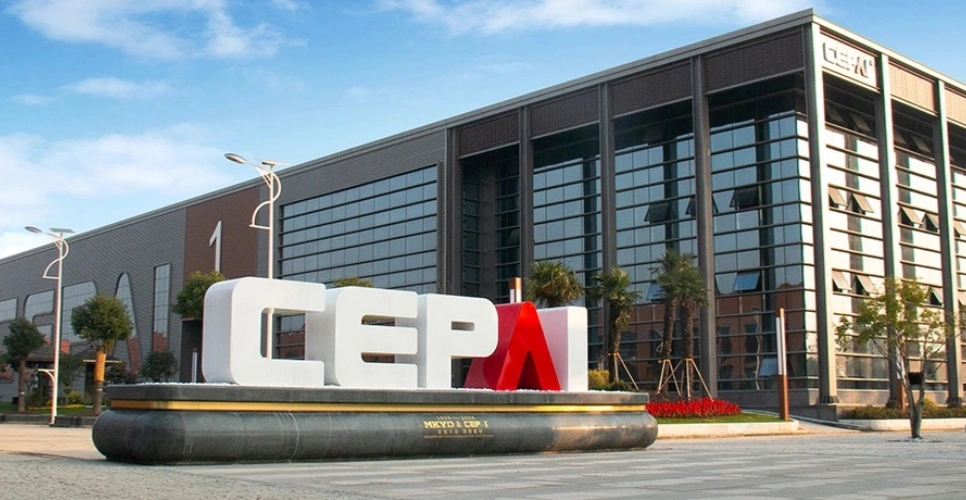
Valve lifetime management is shown at 333 Jianshe West Road, Jinhu Economic Development Zone, Jiangsu Province, by Cepai Group Co., Ltd. IT specialist "little giant" Cepai operates nationwide. Advanced production and after-sales support. ISO 9001, ISO 14001, ISO 45001, API Q1, API 6A, and API 6D certifications verify the company's quality and safety.
Ce manufactures oil and gas drilling, petrochemical processing, and industrial automation gate, ball, control, and flowmeter valves. The 56,000-square-meter building has Asia-Pacific's longest high-precision intelligent manufacturing flexible production line. Fast, high-quality delivery is guaranteed. Jiangsu Province Fluid Control Engineering Technology Research Center and CNAS-accredited Cepai research and experiment labs.
Cepai provides pre-sale consulting, customised solutions, installation, commissioning, operator training, and preventative maintenance. AR-guided remote troubleshooting reduces downtime and travel. Cepai prioritises long-term connections above product sales; therefore, procurement should choose them for traditional electric-lined fluorine ball valves or customised solutions. Cepai delivers reliable High Performance Electric Lined Fluorine Ball Valve solutions thanks to PetroChina, Sinopec, and CNOOC relationships and international certification.
Conclusion
To keep electric lined fluorine ball valves in good shape, they need to be inspected regularly, cleaned properly, oiled carefully, and calibrated correctly. Knowing about common types of failure, like seal degradation, actuator malfunctions, and lining degradation, lets you take preventative steps that stop expensive downtime. Keeping to the design parameters, choosing high-quality parts from approved manufacturers, and working with approved service providers will extend the life of the valves and make the process more reliable. The given case study shows that investing in preventive maintenance pays off in the form of fewer emergency repairs, more consistent processes, and longer equipment life. When procurement professionals put lifetime value ahead of initial cost, their companies get better results and build strong operations that can meet strict output goals safely and effectively.
FAQ
1. How often should electric lined fluorine ball valves undergo maintenance inspections?
Visual exams should be done at least once every three months. These should include checking for external leaks, making sure the actuator mounting is solid, and listening for acoustic signals during valve cycles. Calibration of the actuator, changes to the packing, and proof of the control signal should all be part of the yearly maintenance. Valve disassembly is needed for every two-year thorough checkup to check the fluorine lining, clean the inside, and replace the seal.
2. What strategies mitigate chemical-induced fluorine lining degradation?
The best way to keep linings from breaking down is to strictly follow chemical compatibility guidelines. Before adding new process media, use the manufacturer's chemical protection tables to make sure they are compatible. If it's not required by design, do not expose linings to aromatic oils or chemicals that are likely to permeate. Controlling the temperature stops thermal stress. Quick changes in temperature cause the lining and metal substrate to expand at different rates, which increases the risk of delamination. Putting in temperature monitors and interlocks stops trips that go beyond the stated limits.
3. How can I recognize when actuator servicing or replacement becomes necessary?
One warning sign is erratic positioning, which means that the valve doesn't always go to the right place when told to. If you hear grinding, screaming, or clicking sounds, it means that the gears or motor bearings are wearing out. If the actuator body gets too hot, it could mean that the electrical resistance is too low or that the motors are overloaded. When power consumption goes up without a change in load, it means that internal friction or motor winding degradation is happening. If an electrical safety device trips over and over or fails to react to control signals, there are serious electrical problems that need to be fixed right away.
Partner with Cepai for Reliable High-Performance Electric Lined Fluorine Ball Valve Solutions
Cepai Group is a great deal for industrial buying teams that need reliable automation that doesn't rust. Our High Performance Electric Lined Fluorine Ball Valve units come in sizes from ½" to 8" and can be lined with either F46 or PFA. They are used in chemical, pharmaceutical, and industrial processes where dependability is very important. Our valves meet international quality standards and are certified by API 6D, ISO 9001, and CE. Our smart production system also makes sure that the accuracy is always the same. Whether you're looking to buy a single unit or set up a full supply agreement with ongoing maintenance support, our technical team can make solutions that are perfect for your process. Get in touch with cepai@cepai.com right away to talk about your project with one of our experts and find out why top energy companies choose Cepai as their valve manufacturer and provider.

Get professional pre-sales technical consultation and valve selection services, customized solution services.
About CEPAI
Popular Blogs