What Makes Electric Stainless Steel V-type Ball Valve Reliable?
When demanding industrial applications require both precision throttling and reliable shut-off performance, the Electric Stainless Steel V-type Ball Valve emerges as an engineered solution combining corrosion resistance, advanced automation, and modulating control capabilities. These quarter-turn valves integrate a uniquely contoured V-port ball with electric actuation to deliver repeatable flow regulation in chemical processing, power generation, and oil & gas operations where traditional on-off valves fall short. Reliability stems from stainless steel's inherent durability, the V-notch geometry's superior flow characteristics, and electric actuators' ability to maintain precise positioning under variable process loads, making these valves indispensable for modern automated process control systems.
Understanding the Reliability of Electric Stainless Steel V-type Ball Valves
Material Foundation: Stainless Steel Construction
Valve durability is based on stainless steel types, especially CF8 (304), CF8M (316), and 316L. These austenitic alloys have at least 18% chromium in them. When scratched, the chromium forms a passive oxide layer that fixes itself, so the alloys don't rust or pit, even in environments that are acidic or high in chloride. CF8M adds 2 to 3 percent molybdenum to make it more resistant to localized corrosion. This makes it the best choice for working with saltwater, brines, or sulfuric acid solutions. Stainless steel stays strong even when temperatures change from very cold to very hot. This is different from carbon steel valves that can be damaged by chemicals or brass parts that can become dezincified. This longevity immediately leads to fewer replacements and a lower total cost of ownership.
V-Port Geometry: Engineered for Control
The V-shaped cut that is machined into the ball makes it possible to turn a simple on-off device into a changing control valve. As the ball turns, the V-shaped opening creates an equal-percentage flow pattern, in which the flow rate changes by the same amount for each degree of rotation. Because the position of the valve is directly related to the flow, the setting of the control loop is stable and reliable. The smoother flow path through V-port ball valves causes less turbulence and pressure drop than globe valves. This lowers the risk of cavitation and energy use. The sharp V-notch also has a cutting action that keeps fibrous materials or slurries from getting stuck on the valve seat. This keeps the trim design working properly in dirty service situations that would foul other trim designs.
Electric Actuation: Precision Without Compromise
Instead of manual handwheels or pneumatic systems, Electric Stainless Steel V-type Ball Valve use motorized quarter-turn mechanisms that can place things accurately within ±1% of full stroke. DCS or PLC systems send 4-20mADC control signals to these devices, which lets them be controlled from a distance and be added to automated process control loops. Internal gear trains take advantage of seat friction and fluid forces during braking to turn a motor's high-speed spinning into high-torque output. Electric models can work on standard industrial voltages (220V or 380V), while pneumatic models need infrastructure for compressed air and can't handle changes in supply pressure. Many units have manual override handwheels or battery backup systems that keep the vital shut-off capability when the power goes out. This helps with safety issues in dangerous process environments.
Core Factors Determining Reliability in Electric Stainless Steel V-type Ball Valves
Material Quality and Design Excellence
Picking the right materials is the first step toward reliability. To keep leaks from happening at gaps, high-end makers don't use welded parts but instead use bodies made of investment-cast or forged stainless steel. The ball is hardened and finely ground until the surface has a finish of less than 8 Ra. This makes sure that the ball rotates smoothly and fits tightly against PTFE or reinforced graphite seats. Valve bodies made to ASME B16.34 standards have thick enough walls to handle rated pressures like PN16, PN40, PN64, or ANSI Class 150/300/600 without cracking from stress. Stem designs with live-loaded glands or double-packing arrangements keep the valves leak-tight even after thousands of cycles. This fixes the most common problem with quarter-turn valves.
Actuator Technology and Integration
Highly developed electric motors make systems much more reliable. Planetary gearboxes and multi-turn systems spread power out widely, stopping sudden shock loads that speed up wear. Electronic position input from potentiometers or encoders tells control systems about the position of valves in real time, which lets them regulate and find faults in a closed loop. Overload protection in modern actuators stops motors from burning out when they run into unexpected obstacles, and thermal sensors stop operation before internal parts get too hot and break. Actuator housings with an IP67 or IP68 rating keep devices dry when they are outside or when they are being washed, which increases their service life in tough industrial settings.
Pressure and Temperature Ratings
For accurate valve design, you need to know how pressure, temperature, and the qualities of the material affect each other. Most metals lose less of their mechanical strength at high temperatures than stainless steel does, but seal materials put limits on what can be done. Up to 450°F, PTFE seats work effectively. For steam or thermal oil service, strengthened graphite seats can handle temperatures up to 750°F. Metal-seated versions don't use any organic materials at all, so they can be used in high-temperature situations up to 1000°F. Pressure capability depends on the thickness of the body wall and the rating of the flange. Valves that meet ANSI B16.104 Class VI shutoff at full differential pressure seal better than Class IV standards, which is important when there can be no leakage for safety or environmental reasons.
Maintenance and Longevity: Maximizing the Lifespan of Your Valve
Common Failure Modes and Prevention
Based on the failure patterns seen in thousands of installations, proactive maintenance is a good way to deal with them. Degradation of the lubricant in the actuator gears leads to more friction and positioning mistakes. This can be avoided by replacing the grease once a year with compounds recommended by the maker. External leaks around the shaft are a sign of stem packing wear. The seal can be fixed without taking the valve apart by tightening the packing gland nut or changing the chevron-style packing rings. Seat erosion from high-velocity flow or fluids that are full of particles slowly makes leakage worse after the valve is closed. This wear can be lessened by placing upstream strainers and following the speed limits shown in the valve sizing estimates. Electrical problems in actuators usually involve relay contacts or limit switches. Keeping extra electrical modules on hand lets you quickly change them in the field to keep downtime to a minimum.
Inspection and Calibration Protocols
Using systematic repair methods can greatly increase the operating life of valves. External corrosion, the integrity of the actuator housing, and the tightness of the mounting bolts are all checked visually every three months. Every six months, functional tests make sure that the actuator reacts properly to control signals across its entire range, and calibrated tools are used to prove the accuracy of the position input. Annual disassembly checks let you look at the state of the ball surface, the wear patterns on the seat, and the straightness of the stem. This lets you know which parts need to be replaced before they break completely. By using precise torque instruments to calibrate the actuator, you can make sure that the breakaway and running torques stay within the acceptable range. This keeps the motor from overheating during high-differential-pressure operation.
Lifecycle Economics
If you keep your Electric Stainless Steel V-type Ball Valves in good shape, they should last between 15 and 25 years in most industrial settings. Major rebuilds can add another 10 years to their life. They are more cost-effective than other options when you look at their total cost of ownership versus those of other options. For example, the initial purchase price is higher than for manual ball valves, but the elimination of pneumatic supply infrastructure and lower maintenance labor costs quickly cover the capital costs. During operation, electric movement uses very little power—usually less than 50 watts when staying in place—so energy costs are almost nothing. Repacking stems and replacing seats without taking the valve off the line lowers the cost of maintenance downtime. This is especially helpful in industries that use ongoing processes, where stopping production can cost a lot of money.
Choosing the Right Electric Stainless Steel V-type Ball Valve for Your Industry Needs
Comparative Analysis: Valve Technology Selection
Depending on the application, different valve technologies are best. Globe valves allow for exact throttling, but they have a high pressure drop and need to have their trim replaced often in erosive work. Butterfly valves are a cheap way to shut off a large diameter pipe, but they can't be used to control flow very well, and the disc may move when they're only partially open. Manual ball valves are great for simple on-off tasks, but they can't be controlled remotely for automatic processes. The benefits of quarter-turn ease, low pressure drop, great rangeability (typically 50:1), and full automation compatibility are combined in Electric Stainless Steel V-type Ball Valves. In situations where both tight shut-off and precise throttling are needed in a single device, they work better than competitors because they don't need separate isolation and control valves.
Sizing and Specification Criteria
Getting the right valve size has a direct effect on how well and how reliably it works. When valves are too small, they work close to being fully open, where they are hard to control and make too much noise and sound. Oversized units slow down at small openings where the V-port doesn't provide enough flow area. This makes the valve work in unstable areas that are likely to chatter. Engineers should use process data like flow rate, fluid density, and pressure drop to figure out the required Cv (flow coefficient). They should then choose valves that are big enough so that normal operation happens between 20 and 80% open. It's important to think about the type of connection you want. Flanged designs, which come in ANSI or DIN standards, are good for fixed installs, while tri-clamp styles let you remove them quickly for sanitary reasons in food or pharmaceutical processing.
Manufacturer and Supplier Evaluation
It's just as important to choose trusted providers as it is to pick the right valve technology. Manufacturers that have been around for a while show their dedication by getting multiple certificates, such as API 6D for fire-safe design, ISO 9001 for quality management, and SIL ratings for important safety uses. When normal goods don't meet specific process needs, customization is important. Companies with their own engineering teams can change trim materials, actuator torque ratings, or special coatings to fit those needs. After-sales support infrastructure, such as expert hotlines, an inventory of replacement parts, and field service networks, affects how quickly problems are fixed when they happen, keeping output running as smoothly as possible.
Procurement Insights: How to Buy Reliable Electric Stainless Steel V-type Ball Valves
Pricing Factors and Budget Optimization
Prices to buy valves are affected by more than just the basic prices of making them. Upgrading materials from CF8 (304) to CF8M (316) usually costs 15-20% more per unit, but they are necessary in places with a lot of chloride. Choosing the right actuator has a big effect on prices. Simple on-off models are cheaper than modulating units that have proportional control and position input. Certifications like ATEX for dangerous environments or FDA approval for medical uses need more testing and paperwork, which is represented in higher prices. When you buy in bulk, you can get big savings. Projects that need a lot of similar units should negotiate package prices instead of individual quotes. Smart procurement teams weigh the costs of the initial investment against the costs that come up over the course of the product's life. They know that higher-quality parts with longer warranties have lower total ownership costs, even though they cost more at first.
Supplier Reliability and Logistics
The stability of the global supply chain relies on how well suppliers can run their businesses. Companies that have more than one production facility are less likely to be affected by problems in the area. For example, companies that ship from Shanghai, Ningbo, and Huai'an ports can choose a different route when certain hubs are busy or experiencing weather delays. Lead time commitments and clear inventory information make it possible to plan projects accurately. Suppliers who keep finished goods in stock for common configurations can deliver faster than operations that only build to order. Warranty terms show how confident the company is in the product's reliability. For example, companies that give 24-month coverage and quick replacement for flaws show that they stand behind their work, while companies with limited 12-month terms may be worried about quality. When you buy something from another country, the payment terms and currency options are also important. Reliable sellers will usually accept letters of credit or payments that are made in stages based on project goals.
CEPAI Group's Tailored Solutions
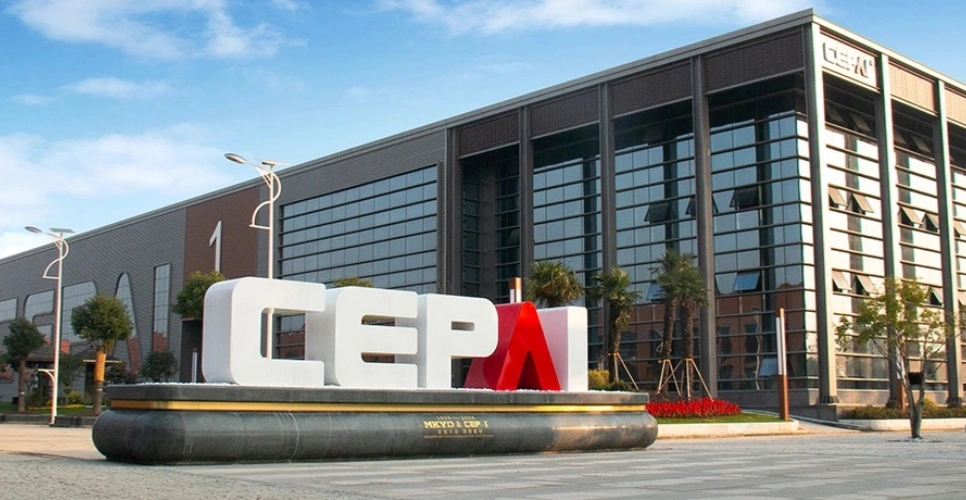
With national high-tech company status and specialized small-giant recognition from Chinese authorities, CEPAI Group Co., Ltd. brings specialized experience in Electric Stainless Steel V-type Ball Valve manufacturing. Our products have nominal diameters ranging from DN15 to 450mm and pressure ratings ranging from PN16 to PN64 (ANSI 150 to 600). They can meet the needs of a wide range of industries, from small pilot plants to large refineries. The integrated production facility in Jinhu Economic Development Zone has CNAS-certified testing laboratories and management systems for ISO 9001, ISO 14001, and ISO 45001, which make sure that every valve goes through strict material verification (PMI testing to confirm authentic 304/316 composition) and hydrostatic shell testing at 1.5x rated pressure according to API 598 protocols. Before the sale, our expert team helps with everything from valve size and selection to post-installation services like commissioning help and training for your operations staff on how to do maintenance.
| Specification | Standard Options | Premium/Custom Options |
|---|---|---|
| Nominal Diameter | DN15-DN450 | Custom sizes available |
| Pressure Rating | PN16, PN40, PN64 | ANSI 150, 300, 600 |
| Body Material | WCB, CF8 (304SS) | CF8M (316SS), WC6, WC9, LCB |
| Seat Material | PTFE (up to 450°F) | Reinforced PTFE, Flexible Graphite, Metal Seats |
| Actuator Voltage | 220V, 380V | Custom voltages upon request |
| Control Signal | 4-20mADC | Position feedback with HART protocol |
| Leakage Class | ANSI B16.104 Class IV (metal seat) | Class VI (soft seat) |
| Connection Type | Flanged (ANSI/DIN) | Tri-clamp, threaded |
| Certifications | ISO 9001, CE | API 6D, SIL, ATEX, FDA |
| Ambient Temperature | -30°C to +70°C | Extended range with heating/cooling jackets |
Most industrial uses can be met by these configurations, but if standard goods don't work with your process, our engineering team is ready to come up with custom solutions.
The benefits of our products go beyond the quality of the parts they use:
Technical Differentiation: Our smart factory, which has Asia Pacific's longest high-precision flexible production line, makes sure that all of the parts are the same size across all batches. This is very important when installing multiple valves that need the same pressure drop characteristics for even flow distribution. Putting money into CNC cutting centers and automatic assembly stations cuts down on mistakes made by people and speeds up delivery times.
Global Logistics Infrastructure: We have strategic agreements with companies that serve the ports of Shanghai, Ningbo, and Huai'an. This means that we can send your goods by ocean freight, air express, or land, depending on your needs and budget. When you buy more than one item, shipping them all at once can save you money on logistics costs per unit. Our export documentation team also handles customs paperwork to speed up clearance at target ports.
After-Sales Commitment: Field service experts fix problems on-site within 48 hours for important installations. They are backed by a full spare parts program that keeps parts like actuator motors, seat rings, and packing sets in stock to cut down on repair downtime. For risk-averse buying strategies, extended warranty programs offer extra protection.
CEPAI is a reliable supplier of Electric Stainless Steel V-type Ball Valves to major Chinese companies like PetroChina, Sinopec, and CNOOC, as well as to clients in six continents. They have a track record of success in demanding environments like offshore platforms and pharmaceutical cleanrooms.
Conclusion
For Electric Stainless Steel V-type Ball Valves to be reliable, material science, precision production, and clever actuation technology must all work together. The base is made of stainless steel, which is resistant to corrosion and very strong. The V-port shape allows for reliable flow modulation that regular on-off valves can't do. Electric actuators allow for accurate positioning and the computer integration that is needed in today's process control systems. Understanding these technical basics, making sure that valves are the right size for the job, and choosing makers with quality systems and support structures that have been shown to work are all important parts of successful procurement. If these valves are properly specified and regularly maintained, they will provide years of reliable service, more than covering the cost of their purchase through less downtime, lower energy use, and better process control performance in a wide range of industries.
FAQ
1. What advantages do electric V-type ball valves offer over manual variants?
With electric actuation, workers don't have to directly reach valves, which is very important in dangerous or remote areas. Motorized operation applies the same amount of torque no matter the size or pressure of the valve. This stops the valve from not closing all the way when operators aren't strong enough to fully seat large manual valves. Integration with DCS/PLC systems makes it possible to automate process control, log data, and set off alarms based on the position of the valves, all of which are not possible with human handwheels.
2. How often should maintenance occur on these valves?
Visual checks should be done every three months, functional tests should be done every six months, and full teardown checks should be done once a year for important service or every two years for general use. Actuator lubrication needs to be done once a year, and packing adjustments are made based on when stem leaks happen instead of set schedules. Applications that go through more than 10,000 rounds a year need to be inspected more often to catch wear before it breaks.
3. Can these valves handle harsh chemical environments?
Most acids, alkalis, and organic solvents can't damage CF8M (316 stainless steel) bodies. However, hydrochloric acid, bromine, and concentrated chlorides can cause pitting. Material matching charts from makers help you choose the right media. Custom engineering lets you get special metals like Hastelloy or bodies lined with tantalum that are better at resisting very strong chemicals.
Partner with CEPAI for Dependable Fluid Control Solutions
For decades, choosing the right Electric Stainless Steel V-type Ball Valve manufacturer will affect how well your business runs and how much money you make. CEPAI Group blends national-level production with engineering that focuses on the customer to make valves that are exactly what you need. The smart production systems and CNAS-certified labs at our Jinhu facility make sure that every valve with the CEPAI nameplate goes through rigorous verification testing that goes above and beyond what is required by the industry. This includes PMI material analysis to confirm the authenticity of the stainless steel grades and bubble-tight seat testing to ensure ANSI Class VI shutoff performance.
We offer more than just high-quality products; we also provide the expert support that B2B buyers need, such as application engineers who use your process data to figure out the right valve size, CAD models for easy system integration, and testing support to make sure that the system works at its best from the start. Our global shipping infrastructure sends goods to project sites all over the world, and we have dedicated transportation managers who handle all the paperwork needed for quick customs clearance. When questions come up, whether during the planning stages, the installation, or years of use, our expert support team at cepai@cepai.com answers quickly and with real-world solutions, not pre-written answers.
Discover how CEPAI's Electric Stainless Steel V-type Ball Valves can make your process control more reliable, make maintenance easier, and make your system work better. Get in touch with our team right away to talk about your application needs, get full technical specifications, or get a price that is tailored to your project's specific needs. Let our many years of experience in valve engineering help your business succeed.

Get professional pre-sales technical consultation and valve selection services, customized solution services.
About CEPAI
Popular Blogs