How to Install a High Precision Pneumatic Single Seat Control Valve?
The proper installation of a High Precision Pneumatic Single Seat Control Valve is one of the most critical elements in achieving dependable flow, pressure, and temperature control on an automated process line. This kind of valve uses a single-seat trim and pneumatic actuator to convert air signals to accurate stem positioning. Because of this, it is very sensitive to minor installation errors such as misalignment, wrong torque, or a bad positioner setting that may affect the precision this valve was supposed to provide. The handbook takes the user through the whole installation process from planning before installation to commissioning and ongoing maintenance, so engineers, technicians, and procurement teams can achieve consistent, tight cutoff performance from first start-up. Whether your valve is going for a petrochemical plant, a power station, or a water treatment facility, the basic installation logic is the same. Understanding this logic in depth helps prevent expensive downtime later.
Pre-Installation Preparation and Planning
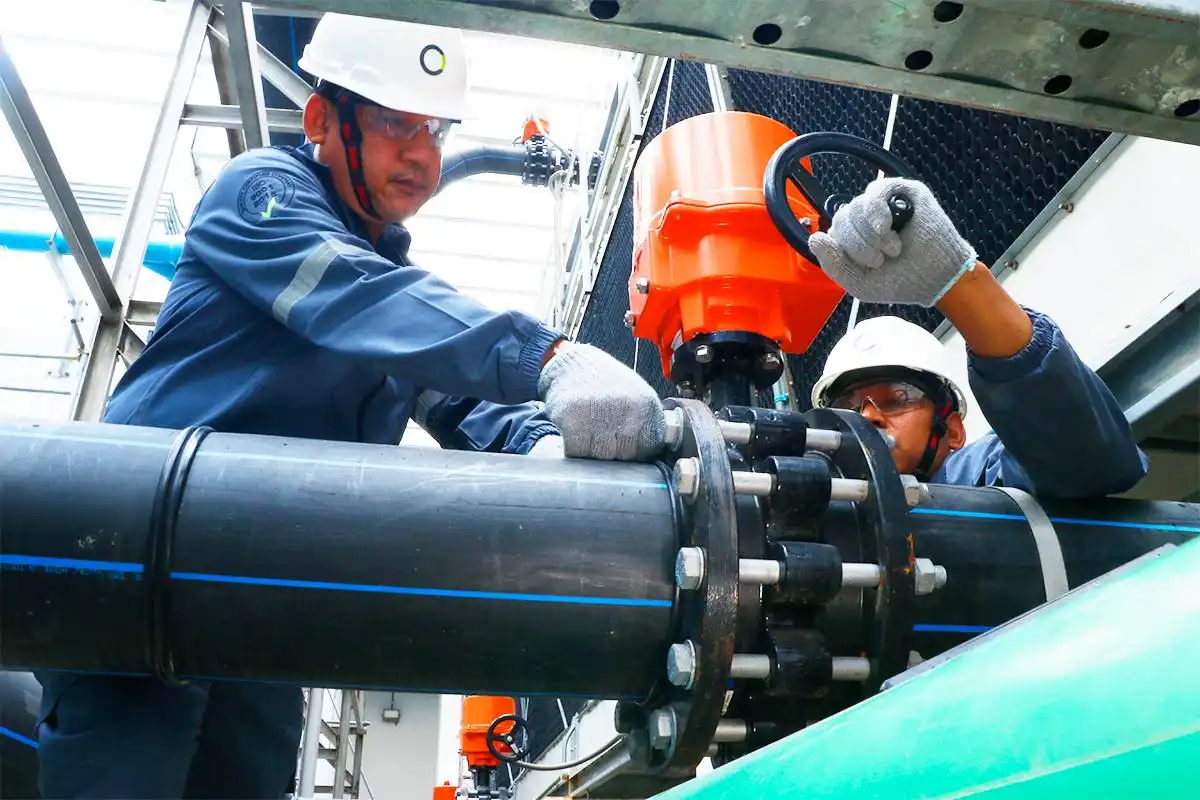
Before any pipe wrench touches a flange, a careful planning stage sets the foundation for a smooth and safe installation. This section covers what needs to be reviewed, inspected, and prepared before the valve is physically mounted into the line.
Reviewing Process Requirements and Valve Specifications
Before installation, engineers should validate the availability of the High Precision Pneumatic Single Seat Control Valve to satisfy the process conditions to which it will be applied. This means examining the process medium, operating pressure, temperature range, needed flow coefficient (Cv), and control signal range that the positioner will receive. The single-seat trim offers a clean throttling channel and is therefore used for continuous modulation applications such as chemical dosing or gas flow management, as opposed to simple on-off isolation. verifying the nameplate data against the original datasheet and cross-verifying the body material, seat leakage class, and actuator size, we can avoid a discrepancy that may only appear after the valve has already been welded or bolted into place. It is one of the most frequent sources of rework on industrial job sites.
Inspecting the Valve and Verifying Components
After the specs are verified, a physical check of the High Precision Pneumatic Single Seat Control Valve must be performed before it leaves the box. Technicians should inspect the valve body, bonnet, stem, seat, and plug for shipping damage and ensure that the pneumatic actuator, positioner, air filter regulator, and any accessories such as limit switches or solenoid valves are present and intact. If circumstances permit, it is also advisable to stroke the valve manually or pneumatically on the bench to ensure the stem travels smoothly from completely closed to fully open. Inspect any packing gland for correct compression. If it is too tight or not tight enough, air leakage or excessive stem friction may develop later. It is significantly less expensive to catch a fault at this point than to find it after commissioning.
Preparing Tools, Piping, and Site Conditions
Site preparation is the last phase before installation. This involves flushing the line to eliminate welding debris, scale, or construction dirt that might harm the seat surface on initial closure and ensuring the upstream and downstream straight runs of pipe meet the specified lengths to minimize flow disruption. Before you start, collect suitable gaskets, bolts, and lifting equipment for the size and weight of the valve, and a clean, dry, oil-free compressed air supply for the actuator. A review should also be made of site characteristics like ambient temperature, vibration levels, and accessibility for future maintenance, as a High Precision Pneumatic Single Seat Control Valve situated in a hard-to-reach area complicates every future calibration and inspection operation.
| Pre-Installation Checklist Item | Purpose |
|---|---|
| Process medium and pressure/temperature review | Confirms valve suitability for service conditions |
| CV and control signal range verification | Ensures correct sizing and controller compatibility |
| Bench stroke test | Confirms smooth stem and plug movement |
| Pipeline flushing | Prevents debris damage to the seat and plug |
| Air supply quality check | Protects the actuator and positioner from contamination |
Step-by-Step Installation Procedure
With planning complete, the physical installation can proceed. This stage covers mounting the valve body, connecting the actuator and air lines, and securing the piping connections correctly.
Positioning and Mounting the Valve Body
The valve body of a High Precision Pneumatic Single Seat Control Valve should be fitted with the flow direction arrow consistent with the planned process flow. The single-seat design often depends on system pressure supporting the closure in one particular orientation. The valve is usually installed with the actuator vertical so the stem may be accessed for maintenance, but you can occasionally see horizontal installations when space is limited; always follow the manufacturer's mounting recommendations. Use new gaskets at each joint. They should be precisely oriented so they do not extend into the flow stream and cause turbulence or premature erosion. The bolts are to be tightened slowly and in a crisscross manner so as to distribute the stress uniformly along the face of the flange and prevent warping of the body or gasket.
Connecting the Pneumatic Actuator and Air Supply
Once the body is in place, the focus is on the pneumatic actuator that moves the valve stem. The actuator on a High Precision Pneumatic Single Seat Control Valve generally uses a diaphragm or piston arrangement to convert air pressure into linear motion and requires the air supply tubing, filter regulator, and positioner to be connected in accordance with the wiring and piping diagram supplied with the unit. Clean, dry instrument air is required because contaminated air might clog tiny orifices within the positioner and cause unpredictable stem movement. Check the wiring of electrical or pneumatic control signals for proper polarity and range before pressurizing the system. Test all fittings for leaks using a soap solution or a suitable leak detector.
Aligning Piping and Securing Flange Connections
The final physical step is to check that the linked pipe is not putting undue stress on the valve body. Even on a brand-new High Precision Pneumatic Single Seat Control Valve, the valve body might be bent slightly during bolt-up if the pipe flanges are unaligned, distorting the seat and thereby creating leakage. Adjust supports and hangers so that the weight of the line is carried by the pipe and not the valve. For example, gasket creep may need a second-pass tightening after the system has been pressurized and then released. Technicians should verify torque levels against the manufacturer’s specification after the final bolt tightening. This precise alignment process maintains the valve’s sealing function and long-term mechanical integrity.
Commissioning and Calibration
After physical installation is complete, the valve must be commissioned and calibrated so that it responds accurately to control signals before it is placed into full production service.
Setting the Positioner and Control Signal Range
Commissioning begins with configuring the positioner so that the High Precision Pneumatic Single Seat Control Valve moves through its full stroke in direct response to the control signal range, whether that is a 4–20 mA electronic signal or a 3–15 psi pneumatic signal. Zero and span adjustments are made so that the valve is fully closed at the low end of the signal and fully open at the high end, or vice versa depending on the fail-safe action required. A positioner improves positioning accuracy considerably compared to relying on actuator spring force alone, which is particularly important in applications where precise modulation, rather than simple on-off switching, is the goal.
Performing Leak and Pressure Tests
Before the valve is exposed to full process conditions, a controlled pressure and leak test should be carried out. This typically involves closing the valve fully and applying line pressure gradually while monitoring for external leakage at the packing, bonnet joint, and flange gaskets of the High Precision Pneumatic Single Seat Control Valve. Internal seat leakage should also be checked against the specified leakage class, since the single-seat trim is chosen specifically for its tight shutoff capability, and any deviation at this stage indicates a seating problem that should be resolved before startup. Air supply pressure to the actuator should likewise be confirmed to be stable and within the specified operating range.
Fine-Tuning Response and Stroke Accuracy
The final commissioning task is fine-tuning the valve's dynamic response so that it tracks the controller's demand smoothly, without excessive overshoot, hunting, or sluggish movement. Technicians typically apply small step changes to the control signal and observe how quickly and accurately the High Precision Pneumatic Single Seat Control Valve reaches the target position, adjusting positioner gain or damping settings as needed. Buyers and process engineers should have already provided the process medium, pressure range, temperature range, flow rate, and control target during specification, since these parameters directly influence how the valve is tuned during commissioning. A properly tuned valve maintains stable process conditions and reduces wear on the trim over time.
Maintenance and Long-Term Performance
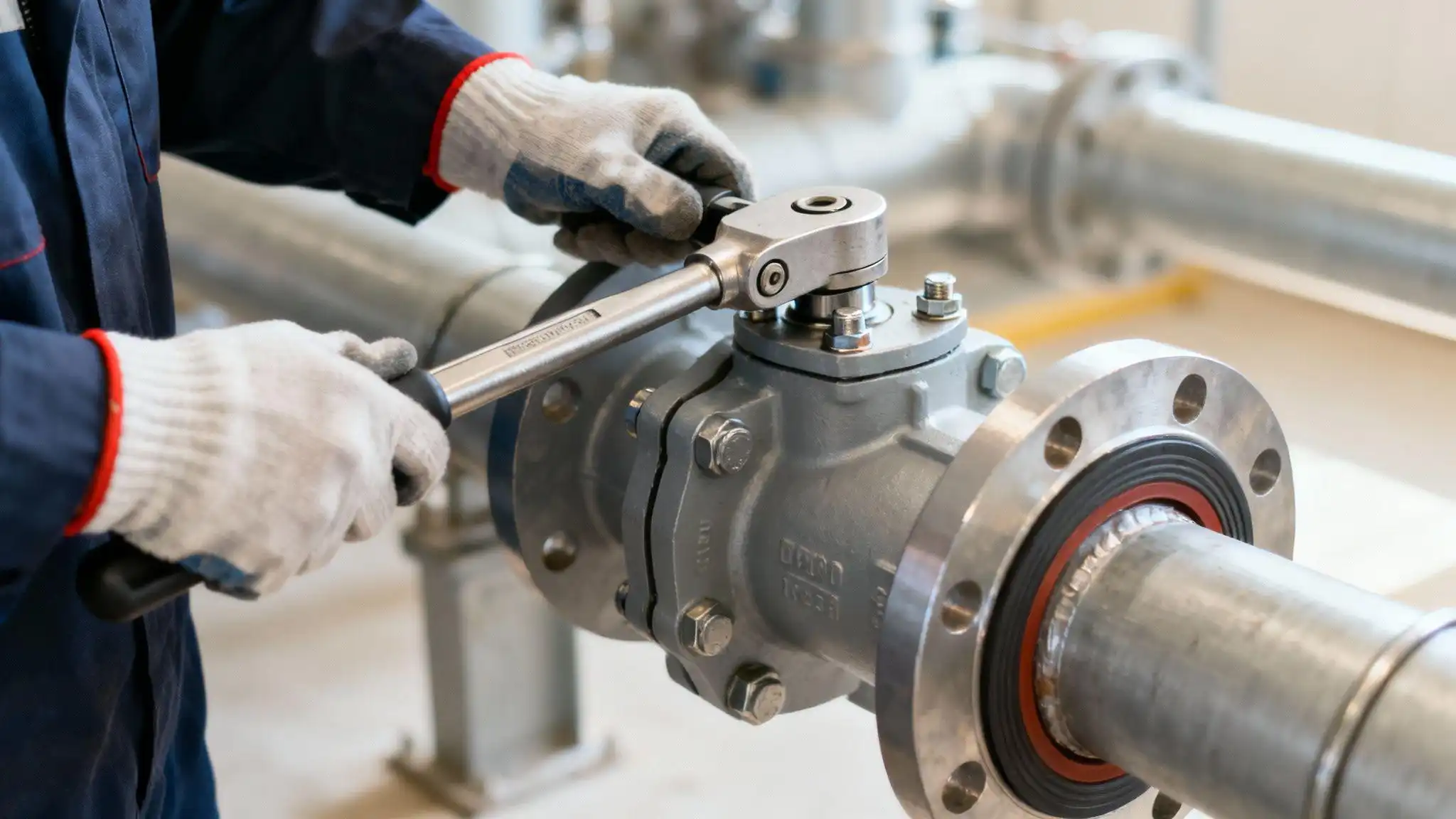
Installation and commissioning are only the beginning; ongoing maintenance is what keeps a High Precision Pneumatic Single Seat Control Valve performing accurately for years of service.
Routine Inspection Schedules
Establishing a routine inspection schedule helps catch small issues before they become operational failures. Inspections typically include checking for external air or process leaks, confirming stable air supply pressure, verifying that the stem moves smoothly without binding, and reviewing positioner feedback for drift from the original calibration. For a High Precision Pneumatic Single Seat Control Valve operating in continuous duty, quarterly or semi-annual inspections are common, though severe service conditions such as high cycling frequency, abrasive media, or extreme temperatures may call for more frequent checks. Keeping a maintenance log also helps identify patterns, such as a particular valve requiring more frequent packing adjustments, which can inform future sizing or material decisions.
Common Troubleshooting Practices
When performance issues arise, a structured troubleshooting approach saves time. Incomplete opening or closing often points to actuator force insufficiency relative to the differential pressure or packing friction, while erratic positioning frequently traces back to contaminated instrument air or a positioner calibration drift. On a High Precision Pneumatic Single Seat Control Valve, unexpected internal leakage after a period of service is usually linked to seat or plug wear, debris trapped in the seating area, or misalignment introduced during a prior maintenance event. Working through these possibilities systematically—starting with air supply quality, then mechanical alignment, then trim condition—usually isolates the root cause quickly and avoids unnecessary part replacement.
Extending Service Life through Proper Care
A few practical habits extend the working life of the valve considerably. Keeping the instrument air supply clean and dry, protecting the actuator and positioner from direct weather exposure where possible, and re-torquing flange bolts after initial thermal cycling all contribute to long-term reliability. Because the High Precision Pneumatic Single Seat Control Valve is often installed in demanding environments involving corrosive media or high cycle counts, using manufacturer-recommended spare parts and following the specified maintenance intervals helps preserve the tight tolerances that give the valve its precision in the first place. Proper documentation of every service event also supports smoother audits and future troubleshooting.
Applications and Industry Fit
Understanding where this valve type is typically used helps explain why correct installation practices matter so much across different industries.
Petrochemical and Chemical Processing
Petrochemical and chemical facilities include dozens of process units that need accurate flow and pressure control. This is where a High Precision Pneumatic Single Seat Control Valve fits in nicely. Many of these facilities contain corrosive chemicals and are subjected to different pressure situations, and the tight shutdown capabilities of the single-seat trim aid in avoiding undesired chemical reactions by providing dependable line isolation when necessary. Typical functions of a control valve are to regulate utility fluids, dose chemicals, and balance feedstock, all requiring the valve to react consistently to the automated control loop and not to human modification.
Power Generation and Utility Systems
The valve is often used for the management of steam, hot oil, and cooling water in power plants, where correct temperature control safeguards the equipment and the efficiency of the operation. A High Precision Pneumatic Single Seat managed valve is normally used in conjunction with a temperature controller to manage the flow of the heat-transfer medium as a function of load changes in these systems. The responsiveness of the pneumatic actuator, paired with a positioner for precise positioning precision, makes this valve type ideally suited to the variable demand patterns often associated with power production.
Water Treatment and General Industrial Automation
The exact modulation this valve offers is also useful in water treatment plants and other general industrial facilities, notably in dosing and pressure-regulation applications where over- or under-supply of a fluid might impair downstream quality. In these applications, the High Precision Pneumatic Single Seat Control Valve is commonly selected because of its tight shutoff, well-behaved flow characteristics, and standard control signal ranges that allow it to be integrated easily into existing automation systems without specialized controllers.
| Industry | Typical Duty | Key Benefit of Single-Seat Design |
|---|---|---|
| Petrochemical | Chemical dosing, feedstock balancing | Tight shutoff, corrosion-resistant trim options |
| Power Generation | Steam, hot oil, and cooling water regulation | Responsive actuator, accurate temperature control |
| Water Treatment | Dosing, pressure regulation | Predictable flow, easy control integration |
Conclusion
The correct installation of a High Precision Pneumatic Single Seat Control Valve, from pre-installation inspections to mounting, commissioning, and regular maintenance, directly affects the accuracy and reliability of the performance of the valve over its service life. CEPAI Group Co., LTD. is a Jiangsu Province national high-tech enterprise. It has API6D, API602, ISO9001, CE, and other certifications. The company supplies regulating valves and fluid control equipment to leading oilfield service companies, PetroChina, Sinopec, CNOOC, and industrial groups worldwide. With its extensive technical knowledge and renowned quality standards, CEPAI is ideally positioned to serve engineers looking for a reliable, precisely manufactured valve for demanding process control applications. If your project demands precise, long-term flow control, now is the time to discuss the proper valve for your line with a knowledgeable provider.
FAQ
Q1: What makes a High Precision Pneumatic Single Seat Control Valve different from a double-seat valve?
A: The single-seat design concentrates sealing force on one seat, giving tighter shutoff and a cleaner throttling path, whereas double-seat valves trade some shutoff tightness for reduced actuator force requirements.
Q2: How important is instrument air quality to valve performance?
A: It is critical—contaminated or moist air can clog positioner components and cause erratic or sluggish stem movement, undermining the valve's precision.
Q3: What information should be provided when specifying this valve?
A: Buyers should supply the process medium, pressure range, temperature range, flow rate, and control target to ensure correct sizing and configuration.
Q4: How often should the valve be inspected after installation?
A: Quarterly to semi-annual inspections are common for continuous duty, with more frequent checks recommended for abrasive media, high cycling, or extreme temperature service.
Q5: Can this valve type be used for both flow and temperature control?
A: Yes, it is commonly applied to flow, pressure, and temperature control loops, regulating media such as steam, hot oil, or cooling water based on controller signals.
Ready to Source a Reliable High-Precision Pneumatic Single-Seat Control Valve?
Choosing the right valve and getting the installation right the first time saves time, protects your process, and reduces long-term maintenance costs. CEPAI Group's engineering team can help you select, size, and specify a High Precision Pneumatic Single Seat Control Valve suited to your exact operating conditions, backed by internationally recognized certifications and years of field experience across petrochemical, power, and industrial automation projects. To discuss your requirements, request technical documentation, or get a quotation, reach out to our team at sales@cepai.com and let us help you build a more reliable, precisely controlled process line.

Get professional pre-sales technical consultation and valve selection services, customized solution services.
About CEPAI
Popular Blogs