How Accurate Is a Metal Tube Flowmeter for Process Control?
For most process engineers, accuracy is the only consideration when choosing a flow measurement device, and the metal tube flowmeter has gained a reputation as one of the most reliable instruments for tough industrial conditions. Unlike glass tube rotameters, a metal tube flowmeter can endure high pressure, high temperature, and aggressive or opaque fluids while still producing consistent readings using a magnetic float-coupling system. This article covers how a metal tube flowmeter works, what affects its accuracy, where it is most effective, and how to pick the proper unit for a process control application. In this article, we discuss the CEPAI Group metal tube flowmeter product line, an expert in fluid control instruments for the oil, gas, chemical, and power sectors.
How a Metal Tube Flowmeter Works
Working Principle of the Metal Tube Flowmeter
The flowmeter is a metal tube that works on the basis of changing area. A float slides up and down in a tapered metal measuring tube as fluid travels up the vertical bore. The float settles at the point where the upward push from the flowing fluid balances the weight of the float, and the annular gap between the float and the tube wall is changed in response to the flow rate. The metal tube flowmeter is used on opaque liquids, high-pressure gases, and superheated steam when visible glass indication would be difficult or harmful. This is because the tube itself is metal, not glass. The approach offers the instrument a large turndown ratio, often about 10:1, and allows detection of low and moderate flow rates in continuous process lines.
Key Components of a Metal Tube Flowmeter
Each metal tube flowmeter comprises a tapered measuring tube, a float, a guiding system, and an indicator assembly. Typically, the measuring tube is of stainless steel, Hastelloy, or titanium, depending on the corrosiveness of the process fluid, with PTFE-lined versions for more aggressive chemicals. The float material and form are suited to the fluid density and viscosity to preserve a linear indication. The metal tube flowmeter is therefore more rugged and resistant to mechanical shock and thermal cycling than conventional variable-area meters, and it is frequently specified for oilfield wellhead skids, petrochemical units, and other harsh service conditions because it has no glass components.
Float and Magnetic Coupling Design
A flowmeter has a float within a metal tube that has a magnet coupled to a magnet outside the tube that is linked to the indication pointer or a digital transmitter. As the float moves, the magnetic connection transfers its location through the pressure-retaining wall of the tube without mechanical penetration, thereby eliminating a typical cause of leakage and wear. This non-contact transmission is one of the key reasons for long-term accuracy with little maintenance of a metal tube flowmeter. Many types additionally enable the float and guide cartridge to be removed for cleaning without disassembly of the complete flow line. This further supports consistent performance over years of continuous usage.
What Determines the Accuracy of a Metal Tube Flowmeter
Measurement Range and Rangeability
The accuracy of a metal tube flowmeter is very much dependent on the position of the actual flow rate within the calibrated range of the instrument. Most are calibrated as a percentage of full-scale reading, usually between +/ - 1 % and +/ - 2.5 % of full scale. Accuracy decreases at the low end of the scale. Thus, for accurate process control, it is important to choose a metal tube flowmeter whose nominal range corresponds to the predicted regular operating flow, rather than to the theoretical maximum capacity of the pipeline. A common error is to oversize the meter for a "safety margin" that silently nibbles away at measurement accuracy across much of the operational window.
Material Selection and Corrosion Resistance
The interior geometry of the measuring tube may be slowly altered by corrosive or abrasive fluids, and this has a direct influence on the accuracy of a metal tube flowmeter throughout the course of its service life. To meet this need, CEPAI offers a variety of metal tube flowmeters with stainless steel, Hastelloy, titanium, and PTFE-coated wetted portions so that the instrument may be specifically suited to acids, alkalis, or high-salinity fluids typical of oilfield and chemical processing streams. The proper selection of material will prevent pitting or erosion of the float and tube and maintain the calibrated link between float position and flow rate. One of the easiest ways to lose faith in an otherwise well-designed instrument is to ignore fluid compatibility.
Installation Conditions and Straight Pipe Requirements
Metal tube flowmeters need relatively short straight pipe lengths upstream and downstream compared to differential-pressure or turbine meters, making installation easier in packed skid layouts. However, the meter must be installed in a vertical position with the flow going upward, supported adequately and without air pockets or vibration to retain the claimed accuracy. Float oscillation and drift in the reading might occur due to pulsating flow from reciprocating pumps or partly open upstream valves. Prior to final calibration tests, field personnel installing a metal tube flowmeter must verify level installation, proper pipe support, and steady upstream pressure to ensure the reported flow rate accurately represents actual process conditions.
| Flow Technology | Typical Accuracy | Straight Pipe Requirement | Suitable Media |
|---|---|---|---|
| Metal Tube Flowmeter | ±1–2.5% FS | Low | Liquids, gases, steam |
| Differential Pressure (Orifice) | ±2–4% FS | High | Clean liquids/gases |
| Turbine Flowmeter | ±0.5–1% FS | Moderate | Clean, low-viscosity liquids |
| Vortex Flowmeter | ±1% FS | Moderate | Steam, gases, liquids |
Where Metal Tube Flowmeter Technology Is Used in Process Control
Oil and Gas Processing
Metal tube flowmeters are often used in upstream oil and gas operations on wellhead chemical injection lines, glycol dehydration units, and generated water skids where pressures and temperatures exceed the limitations of glass instruments. CEPAI, whose main business is wellhead devices, pipeline valves, and regulating valves for drilling and production, incorporates metal tube flowmeter technology into instrumentation packages for large oilfield service firms. Rugged all-metal design can withstand pressure surges and sour or corrosive gas streams common to wellsite environments, offering operators reliable local or remote flow indication for dosing chemicals and monitoring separator operation without regular recalibration.
Chemical and Petrochemical Industries
Accurate, corrosion-resistant equipment is needed in chemical plants to manage dosing, blending, and reactor feed rates. A metal tube flowmeter is well suited to this task due to its material flexibility. A metal tube flowmeter can tolerate acids, solvents, and other harsh fluids that would destroy typical stainless steel components, using Hastelloy or PTFE-lined tubes. The local indication and 4–20 mA or HART output allow the meter to send data directly into a distributed control system, providing closed-loop dosing accuracy. The metal tube flowmeter is attractive for continuous petrochemical operations because of the combination of chemical compatibility and control-system integration.
Power, Water Treatment and Other Industries
A metal tube flowmeter is also often used in power generation for boiler feedwater and cooling circuits, in water treatment facilities for dosing coagulants or monitoring effluent flow, as well as in addition to oil, gas, and chemical applications. Its low-pressure-loss design reduces energy penalties on circulating pumps. Its tolerance of steam and high-temperature condensate makes it a natural fit for thermal power applications. The instrument’s variable-area rotameter roots are also reflected in its extensive applicability across sectors, including metallurgical plants and general industrial utilities where robust, low-maintenance flow indication is required on compressed air, cooling water, or process gas lines.
How to Choose the Right Metal Tube Flowmeter for Your System
Local Display vs Remote Transmission
Some process areas only require a simple local indicator, while others need flow data transmitted to a control room. A metal tube flowmeter can typically be configured either way: a purely mechanical local indicator with a magnetically coupled pointer, or a version fitted with an electronic transmitter that converts float position into a 4–20 mA analog signal. Selecting between local display and remote transmission depends on how the measurement will be used for process control decisions, whether alarms or automated shutoffs are required, and how the instrument fits into the plant's existing SCADA or DCS architecture.
Output Signals and Integration with Control Systems
Modern installations increasingly demand digital connectivity, and a metal tube flowmeter with HART communication or pulse output can integrate directly into automated control loops for dosing, blending, or batching applications. High and low flow alarm switches can also be configured on many models, allowing the meter to trigger protective actions without relying solely on the main control system. When specifying a metal tube flowmeter for a new project, engineers should confirm output type, signal range, hazardous area certification, and compatibility with existing instrumentation to avoid costly rework during commissioning.
Working with a Trusted Manufacturer like CEPAI
Instrument reliability depends heavily on manufacturing quality and after-sales support, which is why sourcing a metal tube flowmeter from an established, certified manufacturer matters. CEPAI Group holds API6A, API6D, API602, ISO9001, ISO14001, ISO45001, and CE certifications, backed by a CNAS-recognized laboratory and dedicated fluid control research centers. These credentials, combined with supplier qualifications from PetroChina, Sinopec, and CNOOC, give process engineers confidence that a CEPAI metal tube flowmeter has been engineered, tested, and documented to the standards required for critical service applications across oil, gas, and industrial process control.
| Specification | Typical Value |
|---|---|
| Accuracy | ±1% to ±2.5% of full scale |
| Rangeability | 10:1 |
| Wetted Materials | 316 SS, Hastelloy, Titanium, PTFE lining |
| Output Options | Local indication, 4–20 mA, HART |
| Process Connection | Flanged (DN15–DN150) or threaded |
Conclusion
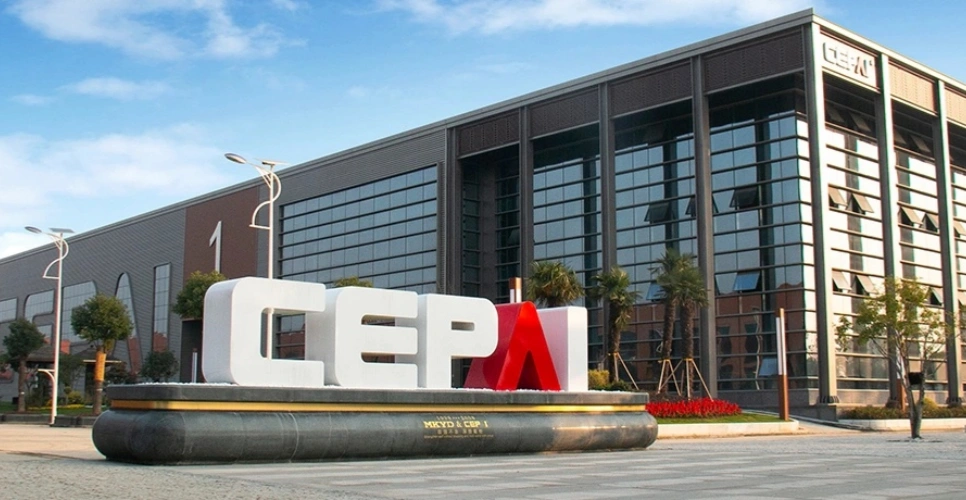
Metal tube flowmeters provide a reliable combination of accuracy, robustness, and chemical compatibility for tough process control applications ranging from oilfield wellheads to chemical dosing skids and power plant utilities. Accuracy relies on appropriate size, material selection, and proper installation, but when precisely specified, it provides reliable, low-maintenance flow metering throughout a long service life. Established in 2009, CEPAI Group is a national high-tech firm with API and ISO certifications. CEPAI makes metal tube flowmeter equipment, wellhead devices, pipeline valves, and regulating valves for the oil, gas, chemical, and power sectors worldwide. For engineers responsible for assessing flow instrumentation for a new or redesigned process line, working with a qualified, experienced manufacturer is the best guarantee of long-term measurement accuracy and operational confidence.
If your process line needs a reliable, certified metal tube flowmeter built for high pressure, high temperature, or corrosive service, CEPAI's engineering team can help you select the right materials, range, and output configuration for your application. With API and ISO-certified manufacturing and a track record of supplying major oil, gas, and industrial companies worldwide, CEPAI is ready to support your project from specification through installation. Reach out today at sales@cepai.com to request technical datasheets, pricing, and a recommendation tailored to your flow measurement requirements.
FAQ
Q1: How accurate is a typical metal tube flowmeter?
A: Most units achieve ±1% to ±2.5% of full-scale accuracy, depending on model and calibration range.
Q2: Can a metal tube flowmeter handle corrosive fluids?
A: Yes, models with Hastelloy, titanium, or PTFE-lined wetted parts are designed for aggressive chemical media.
Q3: What is the typical rangeability of a metal tube flowmeter?
A: Standard rangeability is around 10:1, covering a wide span of flow rates with one instrument.
Q4: Does a metal tube flowmeter need long straight pipe runs?
A: No, straight pipe requirements are generally lower than for orifice or turbine meters.
Q5: Is remote transmission available on a metal tube flowmeter?
A: Yes, many versions offer 4–20 mA or HART output alongside local mechanical indication.

Get professional pre-sales technical consultation and valve selection services, customized solution services.
About CEPAI
Popular Blogs