What Temperature Can a Pneumatic High Temperature Control Valve Handle?
Process engineers dealing with steam, thermal oil, or high-temperature gas streams frequently query just how much heat a pneumatic high-temperature control valve can handle before performance or safety margins are compromised. The answer varies by body material, seat design, packing choices, and actuator protection. Each has its own heat limit that must be coordinated for reliable service. This article discusses the temperature capabilities of a pneumatic high temperature control valve, design characteristics that enhance its rating, and the application factors that will decide if a certain valve is suited for a particular thermal operation. We often mention the high-temperature control valve product range of CEPAI Group, a maker of regulating valves and pipeline instruments for oil, gas, and power sectors.
Temperature Ratings of a Pneumatic High Temperature Control Valve
Standard Operating Range
A common pneumatic high-temperature control valve is rated for continuous operation from 250°C to 550°C, with a unique design for certain industrial applications such as flue gas handling or high-pressure steam discharge approaching 700°C or more. The actual attainable temperature is very much dependent on body material grade, seat design, and protection of heat-sensitive components such as elastomeric seals and the pneumatic actuator itself. If the pneumatic high temperature control valve is rated well above the maximum expected process temperature, rather than at it, then an operating margin is established which protects against transient thermal spikes and helps to maintain long-term sealing performance over repeated thermal cycles.
Material Limits That Define Maximum Temperature
How hot can a pneumatic high-temperature control valve operate safely? The major constraint is in the choice of body and trim materials. Cast carbon steel bodies are restricted to around 425°C, for example, whereas chrome-molybdenum alloy steels extend usable service to 550°C to 600°C, and stainless steels or high-nickel alloys may push ratings much higher for the most demanding applications. Stellite overlay is an example of seat and trim hardfacing that enables metal-to-metal sealing surfaces to withstand galling and wear at increased temperature without using soft seat materials that would deteriorate far below the process temperature. For pneumatic high-temperature control valve specifications designed for continuous high-heat duty, it is crucial that the body material match the particular process fluid and temperature profile.
Leakage Class and Seat Performance at High Temperature
Most high-temperature designs employ metal seats since soft seat materials cannot tolerate great heat and generally provide FCI 70-2 Class IV or Class V cutoff as opposed to the bubble-tight Class VI provided by elastomers. A pneumatic high-temperature control valve designed for tight shutdown at raised temperature must consequently negotiate the demands of leakage class against the actual restrictions of metal-seated design. Some manufacturers offer graphite-based seals or specialty high-temperature soft seat compounds that extend allowable leakage performance a bit further into the heat range. Engineers should confirm actual tested leakage class at the intended operating temperature rather than assume ambient rated performance translates unmodified.
| Body Material | Typical Max Temperature | Common Application |
|---|---|---|
| Cast Carbon Steel | ~425°C | General process heat |
| Chrome-Moly Alloy Steel | ~550–600°C | Steam, thermal oil |
| Stainless Steel (300 series) | ~600–700°C | Refinery, power plant |
| High-Nickel Alloy | 700°C+ | Extreme process heat |
Design Features That Extend Heat Tolerance
Extension Bonnets and Heat Dissipation Fins
Low-temperature valves isolate the packing from the cold with extension bonnets. A pneumatic high-temperature control valve uses a similar extension, often with radiating fins, to keep the packing box and actuator within their safe operating temperature while the valve body itself handles the full process heat. This expansion generates a thermal gradient down the length of the bonnet, dispersing heat before it reaches temperature-sensitive components such as O-rings or conventional packing materials. Without appropriate bonnet extension, the possibility of packing leakage and early actuator failure is greatly increased. This is one of the most essential design features that distinguishes a properly constructed pneumatic high-temperature control valve from a normal ambient-rated device.
Packing Material Selection
Graphite-based packing is the traditional option for a pneumatic high temperature control valve, offering sealing integrity and minimal friction across a broad temperature range, including service far beyond what PTFE or elastomeric packing can endure. Flexible graphite rings reliably seal around the valve stem and accommodate thermal expansion and contraction cycles without affecting stem sealing performance. The live-loaded packing arrangements, with Belleville springs to ensure continuous compression while the packing relaxes with heat cycling, increase long-term sealing dependability. Choosing the right packing arrangement helps prevent fugitive emissions and allows a pneumatic high temperature control valve to provide steady performance during repeated heating and cooling cycles in continuous process operation.
Actuator Protection from Radiant Heat
The actuator itself is often rated for a significantly lower ambient temperature than the process fluid. To ensure the overall durability of the valve, it must be protected from radiant and conductive heat. Extended yokes, heat shields, and occasionally air-purged actuator enclosures are utilized to maintain the actuator components within their manufacturer-rated temperature limitations, typically about 80°C for ordinary diaphragm actuators. The pneumatic high-temperature control valve for high-heat service has been designed to coordinate bonnet length, insulation, and actuator placement so that the positioner and actuator can operate reliably even when adjacent process piping and valve body are operating at several hundred degrees Celsius, ensuring both control accuracy and actuator service life.
Applications Requiring a Pneumatic High Temperature Control Valve
Power Generation and Steam Systems
Steam turbine bypass systems, boiler feedwater control, and superheated steam letdown stations are among the most demanding applications for a pneumatic high-temperature control valve, often involving both high pressure and temperatures exceeding 500°C. These services require precise flow modulation to protect downstream equipment during startup, shutdown, and load-following operation, making actuator responsiveness just as important as material temperature rating. CEPAI's regulating valve product range, developed alongside its wellhead and pipeline valve business, addresses these power generation requirements with body materials and trim designs suited to continuous high-temperature steam service in thermal and combined-cycle power plants.
Refinery and Petrochemical Process Heat
Refinery units such as catalytic reformers, hydrocracking reactors, and fluid catalytic cracking regenerators operate at elevated temperatures where a pneumatic high-temperature control valve must reliably throttle hot hydrocarbon vapors or catalyst-laden gas streams. Corrosive sulfur compounds often present in these streams add material selection complexity beyond temperature alone, requiring alloy grades resistant to both heat and chemical attack. Because unplanned shutdowns in these units are extremely costly, refineries typically specify a pneumatic high-temperature control valve with documented cycle testing and traceable material certification to minimize the risk of in-service failure during continuous operation.
Oilfield and Gas Processing Heat Recovery
In upstream oil and gas processing, waste heat recovery units, thermal oxidizers, and glycol reboiler systems all require dependable flow control at elevated temperatures, often in remote or unmanned wellsite locations. A pneumatic high-temperature control valve installed in these services must combine heat tolerance with the ruggedness needed for outdoor, low-maintenance operation. CEPAI's experience supplying wellhead devices and regulating valves to major oilfield service companies extends naturally into these high-temperature process heat applications, where certified, field-proven valve designs reduce the risk of costly downtime in critical gas processing infrastructure.
| Application | Typical Temperature | Key Design Priority |
|---|---|---|
| Steam turbine bypass | 500–565°C | Fast, precise modulation |
| Catalytic reforming | 480–550°C | Corrosion and heat resistance |
| Thermal oxidizer control | 400–800°C | Extended bonnet, heat shielding |
| Glycol reboiler service | 200–350°C | Field ruggedness, low maintenance |
Selecting and Specifying a Pneumatic High Temperature Control Valve
Defining Process Temperature Profile and Margins
Accurate specification begins with a complete process temperature profile, including normal operating temperature, maximum transient excursions, and any startup or upset conditions the valve may encounter. Selecting a pneumatic high temperature control valve rated with adequate margin above the highest expected temperature, rather than the average or typical condition, prevents premature material fatigue or seal degradation. Engineers should also account for ambient conditions around the actuator, since outdoor installations in hot climates can compound the thermal load on actuator components even when the process temperature itself remains within the valve's rated range.
Coordinating Actuator Sizing with Thermal Design
Actuator sizing for a pneumatic high-temperature control valve must account for the increased breakaway torque often associated with metal-seated trim and thermal expansion effects on stem friction. Undersized actuators may struggle to achieve full stroke or tight shutoff once the valve has reached operating temperature, even if they perform adequately during cold commissioning tests. Coordinating actuator torque output, spring range, and positioner response with the specific thermal and mechanical characteristics of the valve trim ensures that the complete pneumatic high-temperature control valve assembly performs reliably across its entire intended operating temperature range, not just under ambient test conditions.
Working with a Certified Manufacturer like CEPAI
Given the safety and reliability stakes of high-temperature service, sourcing a pneumatic high-temperature control valve from a certified, experienced manufacturer is essential. CEPAI Group holds API6A, API6D, API602, ISO9001, ISO14001, ISO45001, and CE certifications, supported by dedicated fluid control engineering research centers and a CNAS-recognized testing laboratory. These credentials, combined with supplier qualifications from PetroChina, Sinopec, and CNOOC, give process engineers confidence that a CEPAI pneumatic high-temperature control valve has been engineered, tested, and documented to standards appropriate for demanding thermal service in oil, gas, and power generation applications.
Conclusion
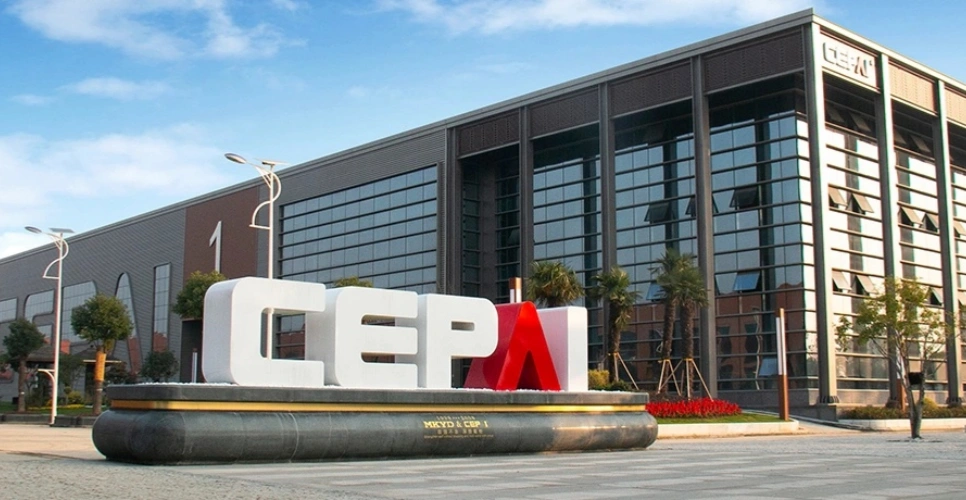
The temperature a pneumatic high temperature control valve can handle depends on coordinated material selection, bonnet design, packing choice, and actuator protection, with typical continuous ratings ranging from 250°C to well over 550°C for specialized designs. Matching these design elements to the actual process temperature profile, rather than relying on generic ratings, is essential for long-term reliability. CEPAI Group, established in 2009 and recognized as a national high-tech enterprise with API and ISO certifications, manufactures pneumatic high-temperature control valve solutions alongside wellhead devices and pipeline valves for oil, gas, and power industries worldwide. Engineers specifying high-temperature flow control should prioritize documented material and thermal testing when selecting equipment for critical process heat applications.
If your process involves steam, thermal oil, or high-temperature hydrocarbon streams, CEPAI's engineering team can help you select the right pneumatic high temperature control valve materials, bonnet design, and actuator sizing for your application. Backed by API and ISO-certified manufacturing and proven experience supplying major oil, gas, and power generation companies, CEPAI delivers valve solutions engineered for demanding thermal environments. Contact sales@cepai.com today to request technical datasheets and a recommendation tailored to your specific process temperature requirements.
FAQ
Q1: What is the maximum temperature a pneumatic high-temperature control valve can handle?
A: Standard designs typically reach 550–600°C, with specialized high-nickel alloy versions rated above 700°C.
Q2: Why does a pneumatic high-temperature control valve need an extended bonnet?
A: The extension dissipates heat so packing and actuator components stay within their safe operating temperature.
Q3: Can a pneumatic high-temperature control valve achieve bubble-tight shutoff?
A: Metal-seated designs typically achieve Class IV or V leakage rather than the Class VI possible with soft seats.
Q4: What packing material is used for high-temperature service?
A: Flexible graphite packing is standard due to its stability and low friction across wide temperature ranges.
Q5: Does ambient temperature affect actuator performance on these valves?
A: Yes, hot outdoor environments can add to the actuator's thermal load even when process temperature stays within rated limits.

Get professional pre-sales technical consultation and valve selection services, customized solution services.
About CEPAI
Popular Blogs