Pneumatic Low Temperature Control Valve vs. Cryogenic Valve
When faced with sub-zero process conditions, the choice of instrument generally boils down to the distinction between a pneumatic low-temperature control valve and a real cryogenic valve, two kinds of valves commonly mentioned together but not necessarily interchangeable. Both are intended to operate with fluids much below ambient temperature, but vary in design intent, temperature range, and the amount of thermal protection integrated into the body and trim. This article compares a pneumatic low temperature control valve and a cryogenic valve based on the design, performance, and application criteria using the low-temperature control valve product line of CEPAI Group, a manufacturer of pipeline valves and regulating valves for oil, gas, and process industries.
Defining the Pneumatic Low Temperature Control Valve and Cryogenic Valve
What Is a Pneumatic Low Temperature Control Valve
A pneumatic low temperature control valve is a compressed air-operated throttling device, designed to control flow rate, pressure, or level in services below normal ambient temperature, usually down to around -46°C to -100°C depending on design. The pneumatic actuator is a rapid, accurate positioning device which uses a diaphragm or piston mechanism attached to a positioner that allows the valve to modulate rather than only open or shut. Pneumatic low-temperature control valves are usually specified for applications such as natural gas letdown stations, refrigeration circuits, and chemical processes where the requirement is for accurate control rather than simply isolation of moderate sub-zero temperatures. The main design objective is accurate flow modulation.
What Is a Cryogenic Valve
Cryogenic valves are built for even more severe temperatures, typically down to -196°C or lower, as needed for liquefied natural gas, liquid nitrogen, liquid oxygen, and air separation applications. These valves are equipped with a long bonnet that physically isolates the packing and stem seal from the cold process fluid to minimize ice development and to preserve the seal integrity. A cryogenic valve may be pneumatically operated, but its main characteristic is its very low temperature rating and the unique materials used to avoid embrittlement. A cryogenic valve is designed for the most severe thermal conditions in an industrial gas service environment, whereas a pneumatic low-temperature control valve is for moderately cold applications.
Where the Two Categories Overlap
In fact, the distinction between a pneumatic low-temperature control valve and a cryogenic valve is not always crisp since both may include a pneumatic actuator, extended bonnet, and stainless steel construction. The main difference is the design temperature and the level of engineering needed to handle thermal contraction, stem icing, and seat sealing at the cold end of the scale. Many manufacturers, including CEPAI, have a pneumatic low-temperature control valve platform that can be configured with a longer bonnet extension and cryogenic-grade trim materials that extend the rating closer to true cryogenic service. This effectively bridges the gap between the two categories for engineers with borderline temperature requirements.
Design Differences Between These Valve Types
Bonnet Extension and Stem Sealing
The most obvious design difference between a pneumatic low temperature control valve and a cryogenic valve is a bonnet extension. A common pneumatic low-temperature control valve may employ a mild extension bonnet to maintain the packing temperature within an acceptable range for elastomeric seals. A cryogenic valve, however, often has a much longer extension, sometimes with heat-exchanging fins, to maintain the packing area above the minimum safe operating temperature of the seal material. This prolonged cold zone isolation lowers condensation and ice accumulation around the stem, which is crucial in maintaining smooth actuator action and avoiding stem binding during operation.
Body Materials and Trim Selection
Material selection is particularly important as design temperatures decrease because carbon steels and common alloys may become brittle and fracture at cryogenic temperatures. A pneumatic low temperature control valve for moderate cold service could be made of low-temperature carbon steel or standard austenitic stainless steel. A true cryogenic valve usually requires fully austenitic stainless steel or nickel alloys in the body, bonnet, and trim to maintain ductility at extreme cold. In the case of cryogenic-rated valves, the seat rings are frequently designed from materials with a coefficient of thermal expansion lower than the body, so as the surrounding metal contracts during cooldown, the seat remains tight. This is less critical in the more moderate temperature range served by many pneumatic low temperature control valve designs.
Actuator and Pneumatic Control Design
Both valve types generally employ pneumatic diaphragm or piston actuators with a positioner for precise throttling control, although actuator size and fail-safe logic vary with application. A pneumatic low-temperature control valve is often designed for precise modulation and quick response for continuous process control loops. In the case of a cryogenic valve, the actuator must be designed to account for the increased effort necessary to overcome seat friction following thermal contraction. In either scenario, fail-safe action, whether fail-open or fail-closed, is decided by process hazard analysis; however, cryogenic services such as LNG isolation frequently need a more conservative fail-safe philosophy in view of the repercussions of an uncontrolled escape of cryogenic fluid.
| Design Element | Pneumatic Low Temperature Control Valve | Cryogenic Valve |
|---|---|---|
| Typical Temperature Range | -46°C to -100°C | Down to -196°C |
| Bonnet Extension | Moderate | Extended, sometimes finned |
| Primary Materials | Low-temp carbon steel, standard stainless steel | Fully austenitic stainless steel, nickel alloys |
| Primary Function | Continuous throttling | Throttling and/or tight shutoff |
Performance Considerations for Process Applications
Temperature Range and Thermal Shock Resistance
Thermal shock resistance is a key performance measure for both a pneumatic low temperature control valve and a cryogenic valve. Rapid cooling may cause severe mechanical stress to body and trim components. Design of a pneumatic low temperature control valve is normally for modest temperature variations with no additional processes for thermal cycling; nevertheless, cryogenic valves often need documented cooling procedures to prevent cracking or seal damage upon restart. Knowledge of the predicted frequency and rate of temperature change in a particular process helps engineers decide whether a typical pneumatic low temperature control valve is suitable or if the more robust thermal architecture of a specialist cryogenic valve is necessary.
Leakage Class and Shutoff Tightness
Shutoff performance is often defined by FCI 70-2 or IEC 60534 leakage standards, and both pneumatic low temperature control valves and cryogenic valves may be specified with soft-seated or metal-seated trim, depending on the leakage class needed. Class VI bubble-tight cutoff is provided by soft seats but restricted by the temperature tolerance of the seal material, making them more prevalent in moderate-temperature pneumatic low-temperature control valve applications. Metal-to-metal seats permit somewhat greater leakage rates but may be used across the whole cryogenic temperature range and are hence the norm for real cryogenic valve trim for LNG and industrial gas operation.
Flow Characteristics and Rangeability
The kind of flow characteristic, linear, equal-percentage, or quick-opening, defines the response of a pneumatic low-temperature control valve across its whole range of travel, and is dependent on the application’s control loop dynamics. Rangeability, commonly 30:1 to 50:1 for current trim designs, demonstrates how effectively the valve can retain precise control from low to high flow conditions. Cryogenic valves used primarily for isolation duty may put more emphasis on tight shutoff than rangeability, while a pneumatic low-temperature control valve used to control pressure or flow continuously generally requires a flow characteristic and rangeability optimized for stable control loop performance over a range of process conditions.
Choosing Between a Pneumatic Low Temperature Control Valve and a Cryogenic Valve
Matching Valve Type to Process Temperature
The most fundamental selection criterion is the actual minimum process temperature the valve will encounter, including any transient conditions during startup, shutdown, or upset scenarios. If the process temperature remains within the moderate sub-zero range and does not approach true cryogenic levels, a pneumatic low temperature control valve typically offers a more cost-effective solution without sacrificing reliability. However, applications involving liquefied gases or air separation processes that reach -150°C or colder require the extended thermal engineering of a dedicated cryogenic valve to prevent premature failure, making an accurate process temperature profile essential before finalizing valve selection.
Industry Applications
A pneumatic low-temperature control valve is widely used in natural gas processing, refrigeration systems, and chemical plants where moderate cold service and precise modulation are required for pressure letdown or flow control duties. Cryogenic valves, by comparison, are concentrated in LNG terminals, industrial gas production, hydrogen liquefaction, and aerospace propellant systems where extremely low temperatures are inherent to the process. CEPAI supplies both valve types across its customer base, which includes major oil and gas companies as well as petrochemical and power generation clients, reflecting the broad industrial demand for reliable low-temperature and cryogenic flow control equipment.
Selecting a Certified Manufacturer like CEPAI
Because low-temperature and cryogenic service failures can have significant safety and financial consequences, sourcing a pneumatic low-temperature control valve from a certified, experienced manufacturer is essential. CEPAI Group holds API6A, API6D, API602, ISO9001, ISO14001, ISO45001, and CE certifications, supported by dedicated fluid control engineering research centers and a CNAS-recognized testing laboratory. These credentials, along with supplier qualifications from PetroChina, Sinopec, and CNOOC, provide assurance that a CEPAI pneumatic low-temperature control valve has been designed, tested, and documented to standards suitable for critical low-temperature process control applications.
| Selection Criterion | Recommendation |
|---|---|
| Process temperature above -100°C | Pneumatic low-temperature control valve |
| Process temperature below -150°C | Cryogenic valve with extended bonnet |
| Continuous modulation required | Pneumatic low temperature control valve |
| Tight shutoff for isolation duty | Metal-seated cryogenic valve |
Conclusion
The selection between a pneumatic low temperature control valve and a cryogenic valve is mostly determined by the actual process temperature, the shutdown tightness needed, and whether the primary purpose is continuous modulation or isolation. Both kinds of valves share pneumatic actuation and extension bonnet designs; however, cryogenic valves go far further in this design to deal with the most severe heat conditions. Founded in 2009, CEPAI Group is a national high-tech firm and API and ISO certified. CEPAI Group develops pneumatic low-temperature control valve systems as well as wellhead devices and pipeline valves for oil, gas, and power sectors throughout the globe. Engineers should choose valve designs for low-temperature flow control that are suited to real process conditions for safe, dependable, long-term performance.
FAQ
Q1: What temperature range does a pneumatic low-temperature control valve typically cover?
A: Most units are rated from roughly -46°C down to -100°C, depending on bonnet and material design.
Q2: Is a cryogenic valve always pneumatically actuated?
A: Not always; cryogenic valves can use pneumatic, electric, or manual actuation, though pneumatic is common for throttling duty.
Q3: Why does a cryogenic valve need a longer bonnet extension?
A: The extension keeps the packing and stem seal outside the cold zone to prevent icing and maintain seal integrity.
Q4: Can a pneumatic low temperature control valve be upgraded for cryogenic service?
A: In some cases, yes, by extending the bonnet and switching to cryogenic-grade trim materials.
Q5: What leakage class is typical for cryogenic valve shutoff?
A: Metal-seated cryogenic valves commonly meet FCI 70-2 Class IV or V, while soft-seated designs can achieve Class VI.
Ready to Specify a Low-Temperature Valve?
Whether your project requires a pneumatic low temperature control valve for moderate cold service or a fully engineered cryogenic valve for LNG and industrial gas applications, CEPAI's engineering team can help you select the right materials, bonnet configuration, and actuator sizing. Backed by API and ISO-certified manufacturing and proven supply relationships with major oil, gas, and industrial companies, CEPAI delivers valve solutions built for demanding thermal environments. Contact sales@cepai.com today to request technical datasheets and a recommendation tailored to your process temperature and control requirements.

Get professional pre-sales technical consultation and valve selection services, customized solution services.
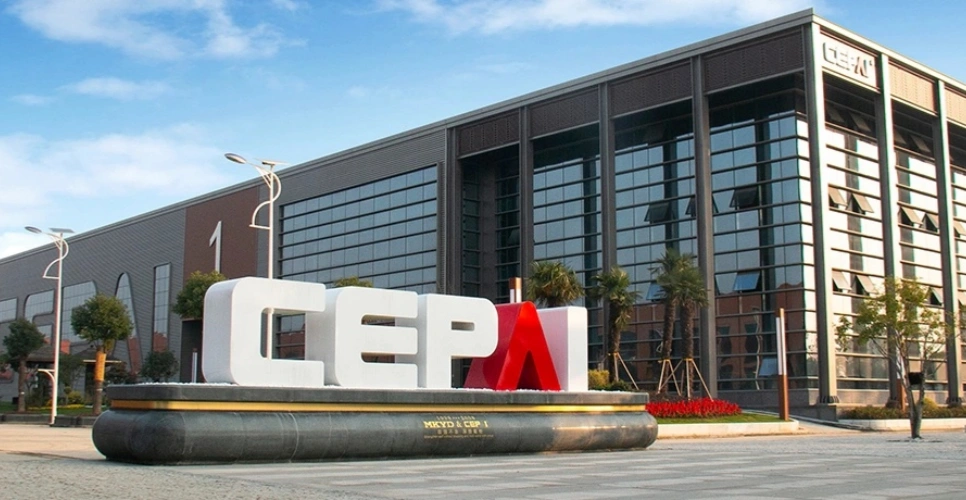
About CEPAI
Popular Blogs