Around the world, electric control valves have hugely improved process control, system efficiency, and environmental compliance in water treatment plants. Together, their ability to be used in a variety of situations, smart technology integration, and long-lasting materials solve the difficult problems of water treatment in 2025. Understanding Valve Key Differences and cooperating with a trustworthy company like CEPAI Group Co., LTD. ensures access to advanced valve technology, expert help, and custom solutions that improve operations.
Operating Principles: Electric vs. Pneumatic Control Valves
A motorized electric actuator accurately positions the valve stem in electric control valves, enabling precise regulation of flow rates. Applications necessitating automatic adjustments and high accuracy are well-suited to these electrical actuators due to their ability to provide precise control and integrate with digital control systems. The position of a pneumatic control valve can be adjusted in response to system demands by means of a piston or diaphragm that is moved by means of a compressed air supply. Electric force vs. pneumatic force actuation is the main differentiator, and this difference impacts control precision, reaction time, and interoperability with sophisticated monitoring and automation systems.
Research in the business world has shown Valve Key Differences between electric and pneumatic valves. For delicate procedures, the ability to regulate the flow with greater precision and stability is essential, and electric valves can accomplish position accuracy to within ±0.5%. Pneumatic valves are usually reliable, but their precision is just ±2%. This could be enough for applications that aren't very demanding, but it might cause problems in systems that are very regulated. Process stability, product quality, and energy efficiency are all impacted by this variance. This is especially true in chemical or industrial water treatment operations where exact flow management is crucial. The best performance and operational dependability of a system are guaranteed by selecting the suitable type of valve.
Electric or gas control valves can be used, depending on the needs of the work and the conditions of the area. When exact flow control, connection with SCADA or digital control systems, and the ability to operate from a distance are needed, electric control valves are the best choice. People like pneumatic control valves because they are easy to use, last a long time, and can work successfully in dangerous or explosive situations where electrical parts could be damaged. Engineers can choose the right valves for different industries by understanding Valve Key Differences. This way, they can balance accuracy, durability, upkeep needs, and total system efficiency for both common and difficult uses.

Pros and Cons of Electric Control Valve
Electric valves offer several benefits, such as:
- High positioning accuracy, enhancing process control
- Energy efficiency with no need for compressed air
- Easy integration with modern automation platforms
- Lower noise levels during operation
- Minimal air leakage risks, improving environmental safety
However, they typically face challenges such as:
- Higher initial investment
- Susceptibility to harsh, wet, or explosive environments without proper protection
- Dependence on a stable electrical supply
For applications demanding digital control and energy efficiency, electric control valves fit well. Understanding Valve Key Differences, when noise and air quality are critical, they offer clear advantages.
Pros and Cons of Pneumatic Control Valve
Pneumatic valves remain popular because of:
- Robustness in hazardous or explosive atmospheres
- Fast actuation speeds suitable for safety shutoffs
- Simple, cost-effective maintenance
- Operate independently of electricity
Conversely, their limitations include:
- Lower control accuracy compared to electric valves
- Requirement for compressed air, increasing operational costs
- Higher noise levels during actuation
- Risk of air leaks impacting reliability
If your process demands fast response times and operation in hazardous zones, pneumatic control valves are more suitable.
Applicable Scenarios of Electric and Pneumatic Control Valves
Electric control valves work great in fields that need to precisely control flow, like making medicines, processing food, and running digitalized chemical plants. Understanding Valve Key Differences, they work well with Programmable Logic Controllers (PLCs) and Distributed Control Systems (DCS), letting you do advanced troubleshooting and keep an eye on things from afar.
Pneumatic control valves find extensive use in oil & gas, power plants, and environments where electrical devices are restricted due to explosion hazards. Their simplicity and ruggedness suit outdoor and high-temperature applications.
Users deciding between the two should weigh environmental safety standards and operational control requirements against cost implications.
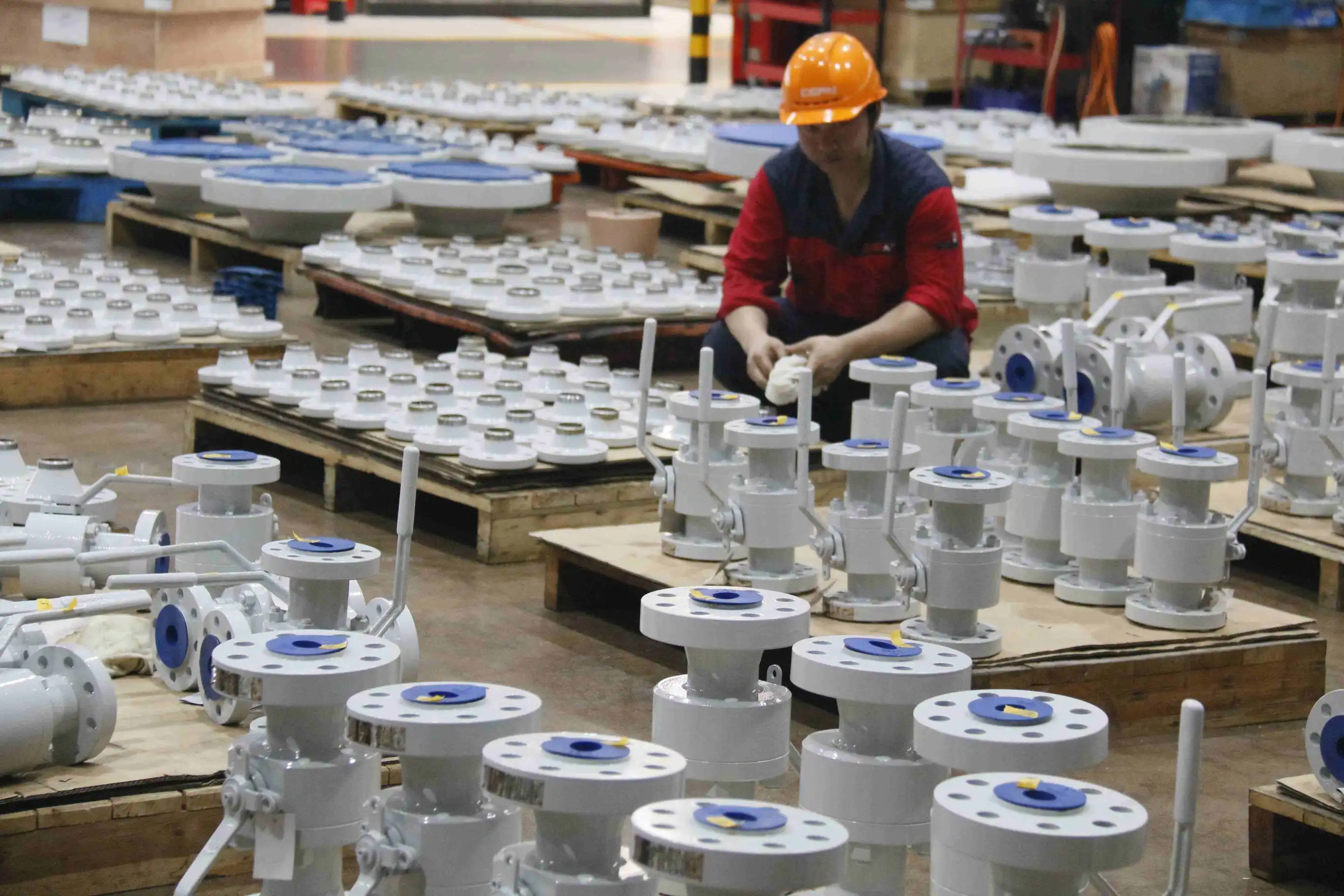
CEPAI Group Co., LTD.'s Valve Key Differences Advantages
CEPAI Group Co., LTD. distinguishes itself through exceptional innovation and quality in both electric and pneumatic valve offerings:
- Durability ensured by premium materials and rigorous testing protocols conforming to international standards
- High-precision control performance stemming from proprietary actuator technology
- Substantial R&D investment resulting in multiple patents and technological barriers protecting unique valve designs
- A broad valve portfolio covering diverse industries and operating requirements
- Comprehensive pre-sales consultation aiding optimal valve selection tailored to specific process needs
- Customer-centric services, including customized solutions, on-site installation, debugging, and operator training
- Reliable after-sales support, maintenance services, and remote monitoring leveraging intelligent service platforms
- A robust quality management system accredited by ISO standards guarantees product consistency
- Efficient logistics and supply chain ensuring timely delivery worldwide
- Industry recognition and certifications affirming product safety and performance
After being tried in a number of different operating situations, CEPAI's valves demonstrate Valve Key Differences with an average mean time between failures (MTBF) of more than 50,000 hours, which is over 20% longer than the industry average. This kind of dependability cuts down on downtime and boosts output.
Valve Key Differences Summary: Comparison Table
| Feature | Electric Control Valve | Pneumatic Control Valve |
|---|---|---|
| Actuation Method | Electric motor-driven | Compressed air-driven |
| Control Precision | ±0.5% positioning accuracy | ±2% positioning accuracy |
| Energy Source | Electricity | Compressed air |
| Maintenance | Moderate; requires electrical safety checks | Simple; routine airline inspections |
| Environment Suitability | Clean, non-explosive | Hazardous, explosive, wet |
| Noise Level | Low operational sound | Higher noise due to air flow |
| Cost | Higher initial cost | Lower upfront cost |
Conclusion
Electric and gas control valves can be used in different business situations because of the Valve Key Differences. For processes that need precise control, electric valves are the best choice because they are accurate and work well with digital systems. When used in dangerous or power-limited areas, pneumatic valves are strong and reliable. Picking the right valve relies on how it will be used, the surroundings, and how much it costs. The CEPAI Group Co., LTD. offers top-notch valves that have been tested and made to meet all of these different needs. They also offer excellent technical help and customer service.
Where to Buy Valve Key Differences?
Discover reliable solutions with CEPAI Group Co., LTD. for your valve key differences needs. To inquire about our full range of electric and pneumatic control valves or tailored services, contact us at cepai@cepai.com. Experience professional guidance and comprehensive support to optimize your industrial control applications. For additional details, please visit valveblog.jscepai.com.
References
1. Industrial Valve Performance Study, Journal of Process Automation, 2023.
2. Comparison of Control Valve Actuation Methods, Automation Engineering Quarterly, 2022.
3. Valve Control Accuracy and Reliability Data, International Society of Automation Reports, 2021.
4. Pneumatic vs. Electric Valve Safety in Hazardous Environments, Safety in Industry Journal, 2020.
5. Energy Consumption Analysis of Control Valves, Energy Management Review, 2023.
6. CEPAI Group Co., LTD. Technical White Paper on Valve Innovations, 2024.
_1745994738000.webp)