Electric Stainless Steel V-type Ball Valve: Explosion-Proof?
When evaluating whether an electric stainless steel V-type ball valve qualifies as explosion-proof, the answer hinges on actuator design and certification rather than valve body material alone. While stainless steel construction—typically CF8 (304) or CF8M (316)—offers outstanding corrosion resistance for industrial service, explosion protection demands specialized electric actuators certified to ATEX Zone 1/2 or IECEx standards. These actuators incorporate flameproof enclosures, intrinsic safety barriers, and temperature controls that prevent ignition sources from escaping into hazardous atmospheres containing flammable gases or combustible dust. The V-shaped ball design itself contributes to safer operation by enabling precise throttling that minimizes fluid turbulence and pressure spikes, reducing cavitation risks that could compromise system integrity in volatile environments.
Understanding Electric Stainless Steel V-Type Ball Valves and Explosion-Proof Features
Traditional full-bore designs have been improved upon by V-port ball valves, which add a shaped V-notch to the ball element that turns the valve from an on-off device into a capable modulating instrument. This geometry creates an equal-percentage flow characteristic, which means that as the angle of rotation increases, the flow rate changes proportionally. This is a critical attribute for process control applications requiring stable regulation across a range of varying conditions.
What Makes the V-Shaped Ball Design Superior for Throttling
Because it is shaped like a V, the ball shears against the seat as it rotates, cutting through thick fluids, slurries, and fibrous suspensions that would normally clog globe valves. This mechanical advantage makes valves last longer in abrasive environments common to mining and petrochemical operations. At CEPAI, our Electric Stainless Steel V-type Ball Valves employ full-bore construction with nominal diameters spanning DN15 to DN450 mm, accommodating pressure ratings from PN16 to PN64 (ANSI 150-600 class). Valve bodies manufactured from CF8M stainless steel castings deliver molybdenum-enhanced resistance against chloride pitting, making them suitable for offshore platforms and desalination plants where seawater exposure occurs.
Decoding Explosion-Proof Certification Requirements
Electrical equipment installed in classified hazardous areas must carry explosion safety certifications. ATEX directives (Europe) and IECEx schemes (international) define zone classifications based on ignition probability:
- Zone 0/20: Explosive atmosphere present continuously (rare for valve installations).
- Zone 1/21: Explosive atmosphere likely during normal operation (common for process equipment).
- Zone 2/22: Explosive atmosphere unlikely except during abnormal conditions (general plant areas).
Explosion-proof electric actuators achieve compliance through multiple protective methods. Flameproof enclosures (Ex d) contain internal explosions without propagating flames externally. Increased safety designs (Ex e) prevent sparks through enhanced insulation and temperature monitoring. Intrinsically safe circuits (Ex i) limit energy levels below ignition thresholds. Premium actuators combine these techniques, offering Ex d IIC T6 ratings suitable for hydrogen-rich refinery applications.
Core Components Enabling Hazardous Area Operation
Electric actuators driving V-ball valves in explosive zones incorporate specialized safety features beyond standard industrial motors. Thermal cutoffs prevent winding overheating during stall conditions, while sealed cable entries maintain enclosure integrity against dust ingress (IP66/IP67 ratings). Position feedback transmitters use 4-20mA signals rather than voltage-based protocols, minimizing spark risk during loop faults. Control signal compatibility with 4-20mADC standards enables seamless integration into distributed control systems managing plant-wide automation.
Benefits and Applications of Explosion-Proof Electric Stainless Steel V-Type Ball Valves
Combining V-port precision with explosion-proof electric actuation delivers measurable operational advantages across multiple industrial sectors. These benefits extend beyond basic safety compliance to encompass lifecycle cost reduction and enhanced process optimization.
Safety Advantages in Volatile Environments
Explosion-proof V-ball assemblies eliminate manual intervention in hazardous zones, protecting personnel from exposure to toxic or flammable atmospheres during routine adjustments. Remote operation capability allows control room operators to modulate flow rates without entering classified areas, reducing confined space entry permits and associated safety protocols. During emergency shutdowns, fail-safe actuators with battery backup systems ensure valves move to predetermined safe positions even during power outages, preventing uncontrolled releases.
Operational Efficiency Through Precision Control
The equal-percentage flow characteristic of V-notch designs provides superior turndown ratios—often exceeding 100:1—compared to linear globe valves limited to 50:1. This wide controllable range enables single-valve solutions where competing technologies require multiple sized units. Energy efficiency gains emerge from reduced pressure drop; the straight-through flow path minimizes turbulence, lowering pumping costs compared to multi-turn valve designs requiring higher differential pressures.
Industry-Specific Application Examples
Explosion-proof Electric Stainless Steel V-type Ball Valves provide core advantages across these critical sectors:
- Oil and Gas Processing: Custody transfer metering stations utilize these valves for precise flow regulation of crude oil and natural gas liquids. The shearing action prevents wax buildup in cold climates, while CF8M construction resists sour gas corrosion. Our valves meet API 6D and ASME B16.34 standards mandatory for upstream production.
- Chemical Manufacturing: Reactor feed control systems demand repeatable positioning accuracy within ±1% of setpoint. Electric actuators with digital positioners achieve this precision while maintaining ATEX Zone 1 compliance for solvent handling. PTFE seats compatible with acids and caustics extend service intervals in continuous duty.
- Pharmaceutical Production: Clean-in-place (CIP) compatible designs feature electropolished internals meeting 3-A sanitary standards. Explosion-proof ratings address solvent recovery operations processing ethanol. The quarter-turn operation facilitates rapid batch changeovers, improving production throughput compared to globe alternatives.
- Power Generation: Boiler feedwater control and fuel gas metering benefit from high-temperature metal-seated variants. These configurations withstand 450°C steam service where PTFE seats would degrade, with metal-to-metal sealing achieving ANSI B16.104 Class IV leakage ratings.
Comparing Electric Stainless Steel V-Type Ball Valves to Other Valve Types in Explosion-Proof Context
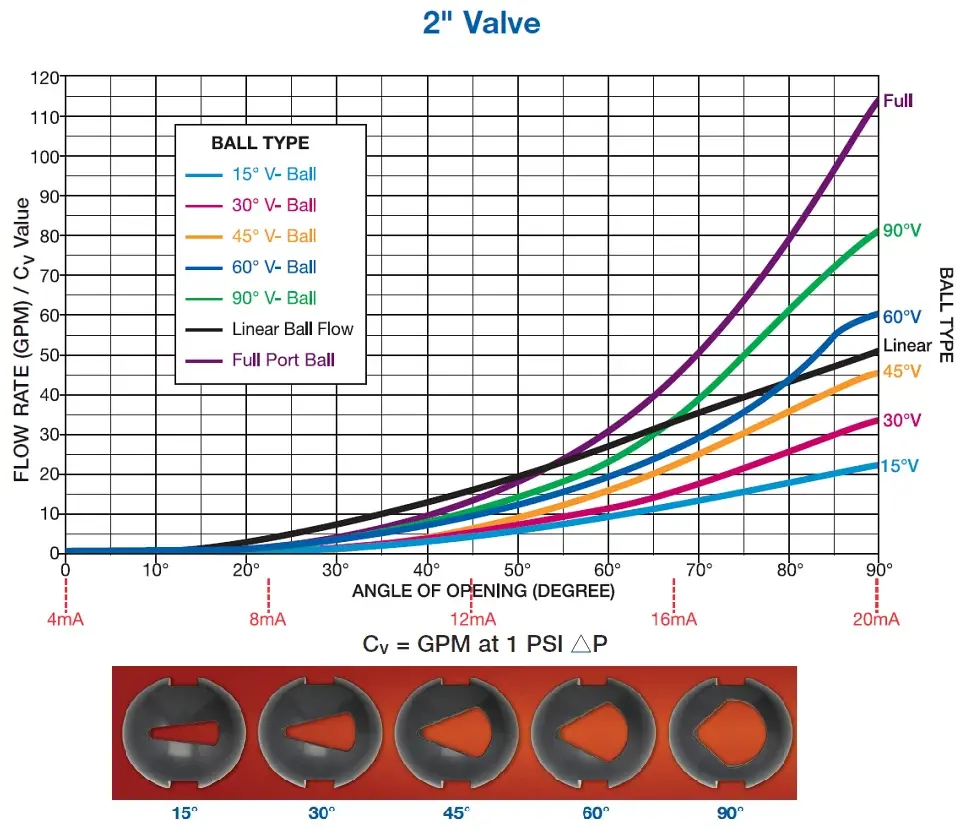
Procurement teams evaluating control valve options for hazardous areas face decisions balancing performance, cost, and safety compliance. Understanding how V-ball technology compares against alternative designs clarifies optimal application scenarios.
Electric Versus Pneumatic Actuation
Pneumatic actuators are common in legacy installations due to inherent explosion safety, as compressed air cannot ignite. However, Electric Stainless Steel V-type Ball Valves deliver superior positioning accuracy (±0.5% versus ±2% for pneumatics) and eliminate compressed air infrastructure costs. Energy analysis reveals electric actuators consume 40% less energy than maintaining instrument air systems with compressors and distribution piping.
V-Ball Advantages Over Gate and Butterfly Valves
Gate valves excel at isolation but lack throttling capability—modulating flow causes seat erosion through wire-drawing. Butterfly valves offer compact installation but generate asymmetric flow profiles, causing turbulence. V-ball designs combine the tight shutoff of gates (ANSI Class VI with soft seats) with the precise modulation of globe valves while maintaining a compact footprint.
| Valve Type | Shutoff Class | Turndown Ratio | Pressure Recovery | Maintenance Interval |
|---|---|---|---|---|
| V-Ball (Electric) | ANSI VI | 100:1 | 0.85 | 18 months |
| Globe (Pneumatic) | ANSI V | 50:1 | 0.65 | 12 months |
| Butterfly (Electric) | ANSI IV | 30:1 | 0.75 | 9 months |
| Gate (Manual) | ANSI II | Not recommended | 0.90 | 24 months |
Manufacturer Comparison Considerations
Selecting explosion-proof valve suppliers demands verification beyond marketing claims. CEPAI Group holds ATEX certification through notified body testing, with traceability documentation linking each valve serial number to pressure test results. Beware of suppliers offering "explosion-proof compatible" valves without actuator-specific certifications; while the valve body itself requires no special rating, the electric actuator must carry proper zone approvals.
Maintenance and Troubleshooting for Explosion-Proof Electric Stainless Steel V-Type Ball Valves
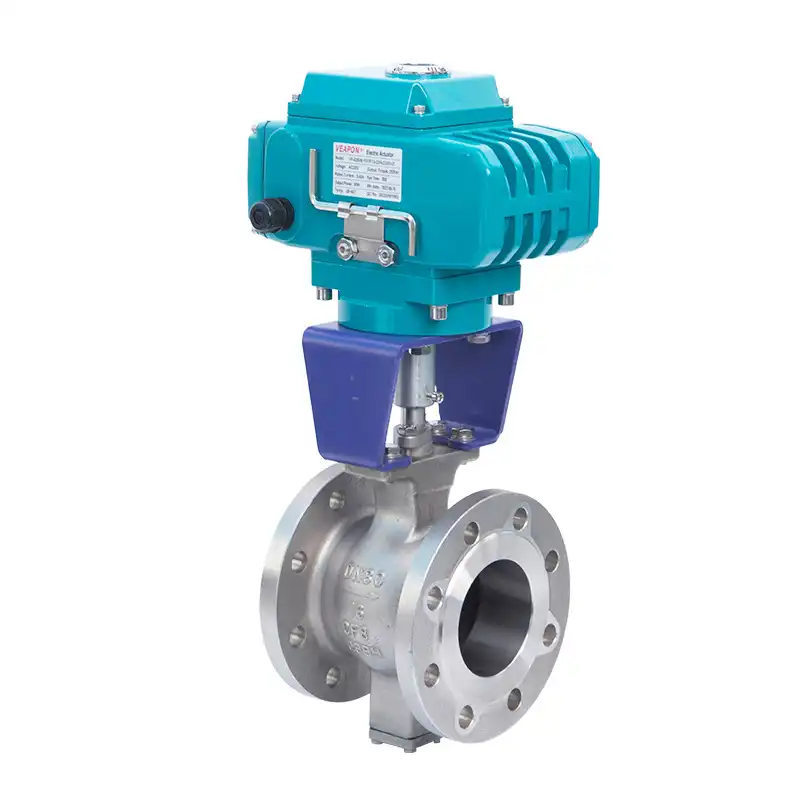
Sustaining explosion-proof integrity throughout the working life of an Electric Stainless Steel V-type Ball Valve requires adherence to manufacturer-specified maintenance protocols. Neglecting these procedures risks decertification and regulatory violations.
Preventive Maintenance Schedules
Quarterly inspections should verify actuator enclosure integrity, checking for damaged cable glands or corrosion compromising the flameproof joint gaps. These precision-machined interfaces prevent flame propagation; gaps exceeding specification (typically 0.15mm for Group IIC gases) require immediate actuator replacement. Annual maintenance involves interior inspection by trained personnel to examine motor windings for insulation breakdown (minimum 10MΩ resistance) and verify torque switch calibration.
Troubleshooting Common Operational Issues
Actuator failure to rotate typically stems from control signal loss, motor thermal trip, or mechanical obstruction. Verification begins with measuring the 4-20mA control signal at the actuator terminals. If the signal exists but the motor remains stationary, thermal overload reset buttons inside the explosion-proof enclosure may require cycling after a cooling period. Valve leakage beyond specifications suggests seat wear or foreign material lodgment; inline strainers upstream of control valves can prevent premature seat damage from welding slag or debris.
Procurement Guide: Buying Explosion-Proof Electric Stainless Steel V-Type Ball Valves
Effective procurement strategies for Electric Stainless Steel V-type Ball Valves balance technical specifications against commercial considerations, ensuring selected equipment meets both operational requirements and budget constraints.
Certification Verification Checklist
Demand certification documentation proving explosion-proof compliance before issuing purchase orders. Authentic ATEX certificates display notified body identification numbers (four-digit codes), product descriptions matching quoted models, and temperature class ratings (T1 through T6). Mill test reports with heat-traceable lot numbers should be requested to confirm the stainless steel grade (e.g., CF8M analyzed at minimum 16.5% chromium and 2% molybdenum).
Technical Specification Parameters
Comprehensive valve specifications should define these critical parameters:
- Pressure Rating: Match to maximum system operating pressure with a 1.5x safety margin (e.g., PN40 for 25 bar service).
- Temperature Range: Consider both process fluid temperature and ambient conditions affecting actuator electronics.
- Flow Coefficient (Cv): Calculate required Cv using process flow rate and allowable pressure drop formulas.
- Seat Material: Specify PTFE for temperatures below 200°C or reinforced graphite for higher thermal duty.
- Connection Standards: Specify flange facing (raised face, ring-type joint) per ASME B16.5 or EN 1092-1.
- Actuator Torque: Confirm actuator output exceeds calculated stem torque by a 25% margin to account for packing friction.
Supplier Evaluation Criteria
Beyond product specifications, supplier capabilities significantly impact project success. CEPAI's national high-tech enterprise designation and specialized "little giant" status reflect innovation capacity and financial stability for Electric Stainless Steel V-type Ball Valve. Logistics capabilities are equally important; CEPAI maintains shipping flexibility through major ports, offering ocean freight for bulk orders and expedited air express for urgent replacements.
Cost-Efficiency and Total Ownership Analysis
Initial purchase price represents only 30% of lifecycle valve costs; maintenance, energy consumption, and downtime comprise the remainder. CEPAI's extended maintenance intervals (18+ months) reduce labor costs compared to quarterly-service competitors. Energy-efficient actuator designs draw 40% less power than legacy models, saving significant operational costs. Warranty terms also merit review; CEPAI provides 24-month coverage, exceeding the industry-standard 12-month period.
Conclusion
Electric Stainless Steel V-type Ball Valves with explosion-proof electric actuation represent the optimal solution for precision flow control in hazardous industrial environments. Their combination of corrosion-resistant construction, equal-percentage flow characteristics, and certified explosion protection addresses the toughest operational challenges across oil and gas, chemical processing, and power generation sectors. Successful procurement demands rigorous verification of ATEX or IECEx certifications, careful matching of technical specifications to process requirements, and selection of suppliers demonstrating manufacturing excellence and support capabilities. CEPAI's specialized expertise in high-performance fluid control devices positions us as a reliable partner for safety-critical applications requiring uncompromising quality and regulatory compliance.
FAQ
1. Can electric stainless steel V-type ball valves operate safely in Zone 1 hazardous areas?
Yes, when equipped with properly certified explosion-proof electric actuators for the Electric Stainless Steel V-type Ball Valve carrying ATEX Ex d IIC or IECEx Zone 1 ratings. The valve body itself requires no special rating—explosion protection stems entirely from actuator design preventing ignition source escape. Verify actuator certification documentation matches your facility's area classification before installation.
2. How does CF8M stainless steel compare to CF8 for corrosive service?
CF8M (316 stainless steel equivalent) contains 2-3% molybdenum, providing superior resistance against chloride pitting and crevice corrosion compared to CF8 (304 equivalent). Choose CF8M for seawater exposure, sour gas service containing H₂S, or chloride concentrations exceeding 200ppm. CF8 suffices for freshwater, steam, and most hydrocarbon applications.
3. What maintenance interval should be expected for V-ball assemblies in continuous service?
PTFE-seated V-ball valves typically require inspection every 18 months in clean service, with seat replacement at 36 months depending on cycle count and media abrasiveness. Metal-seated variants extend intervals to 24-30 months but demand higher actuator torque. Explosion-proof actuators need annual interior inspection verifying flameproof joint integrity and motor insulation resistance.
4. Do V-type ball valves require special commissioning procedures?
Yes—pipeline cleanliness critically affects seat longevity. Flush systems thoroughly, removing welding slag, installation debris, and rust scale before valve installation. Commission with the valve in the fully open position to prevent particle lodgment on seats. Perform stroke testing across the full travel range, verifying smooth operation and position feedback accuracy within ±1%.
Partner with CEPAI for Certified Explosion-Proof V-Ball Valve Solutions
Explosion-proof Electric Stainless Steel V-type Ball Valves engineered to the highest international standards are available from CEPAI Group to support your critical flow control requirements. As a national high-tech enterprise and specialized "little giant" manufacturer, our 56,000-square-meter intelligent factory produces valves certified to ATEX, IECEx, API 6D, and SIL standards. Our experienced engineering team provides comprehensive support from initial specification development through commissioning and ongoing maintenance planning. Whether your application involves Zone 1 chemical processing, offshore oil production, or pharmaceutical solvent handling, CEPAI delivers customized valve solutions backed by CNAS-certified testing and 24-month warranties. Contact our technical specialists at cepai@cepai.com today for application-specific valve selection guidance, certified performance documentation, and competitive quotations. Discover why leading petrochemical companies trust CEPAI as their preferred supplier for high-performance fluid control.

Get professional pre-sales technical consultation and valve selection services, customized solution services.
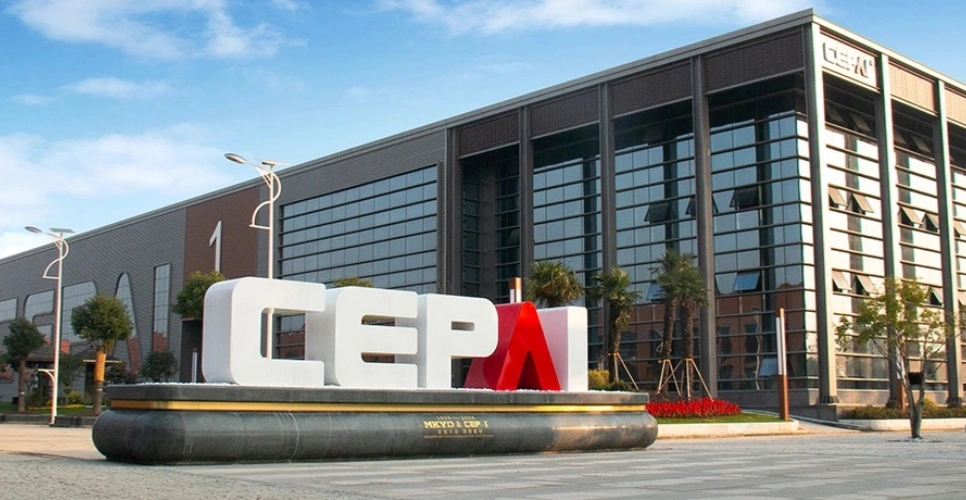
About CEPAI
Popular Blogs