Can a Pneumatic Low Temperature Control Valve Control Liquid Nitrogen?
Liquid nitrogen boils at roughly - 196 degrees C. That will make ordinary steel brittle, freeze grease, and shrink seals till they leak. So when engineers ask whether a pneumatic low temperature control valve will manage this fluid, they are essentially asking if the materials, shape, and actuator of the valve are designed for cryogenic duty. To summarize, yes, provided the valve is rated at the proper temperature, has an extended bonnet design, and is tested to cryogenic standards. In this article, you will learn how such a valve works, which design elements are important, and how you can be sure that a certain type is compatible with your liquid nitrogen line. It is a product of the technical team of CEPAI Group, a high-tech producer of valves, instruments, and wellhead equipment.
What Makes a Valve Suitable for Liquid Nitrogen?
Understanding the Cryogenic Challenge
Most process valves never experience the conditions of liquid nitrogen. Metals shrink. Carbon steel loses hardness. Any moisture trapped within becomes ice, which may freeze stems and seats. With these factors in mind, a pneumatic low-temperature control valve is built. Materials are selected to be robust in extreme cold, and the structure is selected to keep the cold away from the actuator and packing. The valve also needs to manage two-phase flow and thermal contraction without leaking since the fluid rapidly vaporizes when heated up. Identifying these problems is the first step in selecting a valve that will work dependably.
Main cryogenic issues:
- The danger of brittle fracture in common steels
- Shrinkage of seal and packaging at minus 196 °C
- Ice on stems and bonnets
- Flashing and Two-Phase Flow in Liquid Heating
Body Materials and Trim Choices
A true cryogenic valve is distinct from a typical one in the selection of materials. Pneumatic low-temperature control valves for liquid nitrogen are commonly made of austenitic stainless steels such as 304 and 316 grades that keep their ductility at very low temperatures. The usual trim elements such as the plug, seat, and stem are stainless steel with hardened or Stellite surfaces where wear resistance is necessary. For tight cutoff, the seats may be made of soft materials suitable for cryogenic conditions, such as PTFE-based or reinforced polymers. The wetted components are matched with the service temperature to prevent cracking, sticking and leaking during cool down and warm up cycles.
Extended Bonnet Construction
The cryogenic valve is distinguished by a larger bonnet. This is accomplished by lengthening the neck between the valve body and packing area to generate a gas column which insulates the stem seal from the cold liquid. This keeps the packing warm enough to complete its job and prevents frost from reaching the actuator. The bonnet should be supplied with the pneumatic low-temperature control valve in the right position, often vertical or slightly inclined, so that the vapor pocket will be in place. The bonnet length that is suitable for your insulation thickness will protect the packing and actuator.
| Design Feature | Purpose in Liquid Nitrogen Service |
|---|---|
| Austenitic stainless body and trim | Toughness at minus 196 °C |
| Extended bonnet | Keeps packing and actuator above freezing |
| Cryogenic-compatible seat | Tight shutoff at very low temperature |
| Cleaned surfaces | Prevents contamination in the line |
How Pneumatic Control Works on a Cryogenic Line
Actuator and Positioner Basics
The pneumatic actuator converts the pressure of the instrument air into a stem movement, which in turn changes the flow area of the valve. The enlarged bonnet allows the actuator of a pneumatic low temperature control valve to be safely located far above the cold zone. The actuator has a positioner which compares the control signal (usually 4-20 mA) with the actual position of the stem. This feedback loop allows for smooth and consistent control even when there is a varied pressure drop. Pneumatic actuation is particularly suited to industrial applications since compressed air is readily available and the design is naturally suited to areas where electrical equipment is restricted.
Fail-Safe Action and Safety Philosophy
Process safety starts with the determination of what the valve is supposed to do when air or signal is lost. A pneumatic low-temperature control valve may be supplied as air-to-open or air-to-close with spring return so that the valve moves to a predefined safe position on failure. Designers choose fail-closed for liquid nitrogen feed lines to prevent uncontrolled release and fail-open for cooling or purge lines. Add limit switches, solenoid valves, or manual handwheels as determined by the safety assessment. Simple installation; operators are assured, thinking about the fail-safe procedures right from the start.
Flow Characteristics and Sizing
Liquid nitrogen is a low-temperature liquid that flashes fast, so it is necessary to properly size. The pneumatic low-temperature control valve is selected based on the flow coefficient, Cv or Kv, which is calculated from the flow rate, pressure drop, and density of the fluid. Vapor generation is taken into account. Equal-percentage trim is utilized if the pressure varies widely, while linear trim is preferable where the pressure drop is rather consistent. Too big and the valve would hunt about the closed position; too little and the process would starve. Tell your provider what the minimum, normal, and maximum flows are, and what pressure decrease you can tolerate. This will enable the valve to be constructed to be reliably controlled.
Sizing information to prepare
- Flow - minimum, normal, and maximum
- Design of inlet pressure and pressure loss
- Piping arrangement and line size
- Required shutdown class and safe-to-fail position
| Control Element | Role |
|---|---|
| Pneumatic actuator | Moves the stem using instrument air |
| Positioner | Matches stem position to the control signal |
| Spring return | Provides defined fail-safe action |
| Trim characteristic | Shapes flow response to stem travel |
Installation, Insulation, and Operation
Orientation and Piping Layout
Cryogenic performance is dependent on installation. Mount the pneumatic low-temperature control valve with the extended bonnet in the vertical position or within the manufacturer's allowable tilt to prevent movement of the gas column in the bonnet. Support pipe for thermal contraction. No trapped liquid sections without relief. Install strainers upstream to protect seats. Straight pipe lengths for stability of control. Isolation valves with drains for maintenance. Lines carrying liquid nitrogen compress substantially during cooling. A flexible pipe architecture avoids stress on flanges and maintains couplings tight over several cycles.
Insulation and Frost Management
Insulation lowers heat loss and therefore saves fluids and keeps downstream lines steady. Insulate the valve body and piping to the base of the extended bonnet on a pneumatic low-temperature control valve, but leave the higher bonnet, packing area, and actuator exposed to allow the warm gas column to perform its function. Forgetting to wrap the bonnet might cause the cold to rise and freeze the packing. Use vapor-barrier insulation systems because they are not subject to moisture intrusion. Water penetrating foam insulation will turn to ice and impair performance fast. “Some frost on the body is normal and not a concern.
Cooldown, Warm-Up, and Maintenance
Gradually cool liquid nitrogen lines to minimize thermal shock and flashing. During initial fill, open the pneumatic low temperature control valve gently and exhaust vapor safely via appropriate relief and vent lines. When warming a line, provide time for ice to melt and trapped liquid to evaporate before shutting isolation points. Routine maintenance involves inspecting packing, actuator diaphragm or piston seals, instrument air quality, and calibrating the positioner. The maintenance is generally the same as a typical pneumatic control valve since the actuator is outside of the cold zone.
Good methods of operation:
- Cool down slowly and safely vent vapor
- Maintain Instrument Air Dry & Clean
- Inspect packing and seals at scheduled intervals
- Install relief mechanisms on liquid trapping sections
Verifying Quality, Standards, and Supplier Capability
Cryogenic Testing and Standards
Paperwork and testing provide confidence that a valve will survive its first cooldown. Cryogenic valves are often designed and tested to standards such as BS 6364, ISO 28921, and MSS SP-134, which cover materials, extended bonnet design, cleanliness, and low-temperature leakage testing. For pneumatic low temperature control valves, request test records to determine whether shell and seat tests were conducted at cryogenic temperature or ambient temperature using certified methodologies. Matching the standard to the project requirement minimizes rework and gives the inspector the evidence they need.
Cleanliness and Documentation
“Cleaning and packing is a big issue. You can get contamination in the liquid nitrogen lines that can plug seats and damage downstream equipment. Degrease and clean all pneumatic low temperature control valves; request techniques for degreasing and cleaning. Request protective end covers and sealed packaging. The documentation package must comprise material certificates, pressure test results, dimensional drawings, actuator data and, where required, third-party inspection papers. Storing these data with your equipment files may also be helpful for audits, future maintenance, and make showing compliance easier during plant inspections or expansions.
Why Choose CEPAI for Cryogenic Control
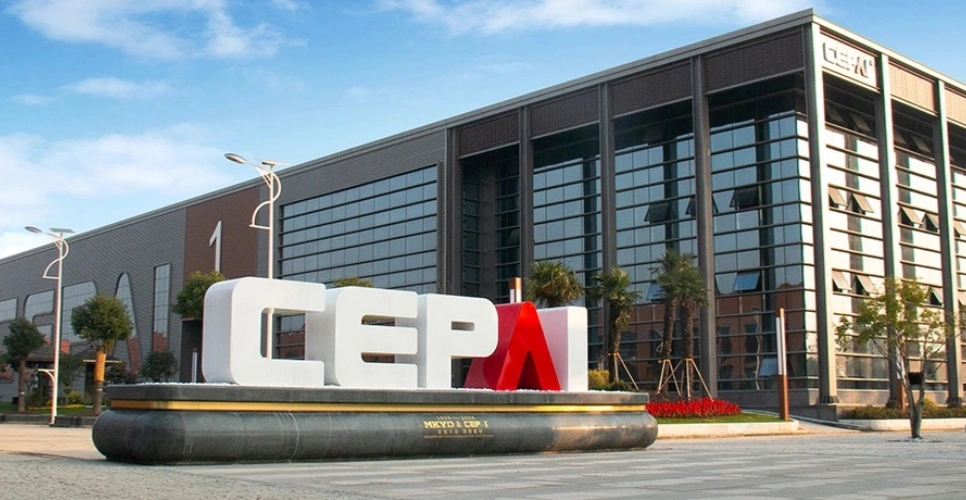
Valve quality is a function of the level of engineering. CEPAI Group was founded in 2009, covering an area of 56,000 square meters, with registered capital of 200 million yuan. It is a national high-tech enterprise that is involved in the development and manufacture of wellhead devices, pipeline and regulating valves, instruments, and meters. It is accredited to API Q1, API 6A, API 6D, API 16C, ISO 9001, ISO 14001, ISO 45001, ISO 3834, ISO 17025, CE, and PR2, and operates a CNAS-recognized laboratory and supplier qualification with major oil, gas, and chemical companies. These traits provide engineers the confidence to define, test, and accept control valves.
| Supplier Check | CEPAI Strength |
|---|---|
| Established | 2009, national high-tech enterprise |
| Facility | 56,000 sq. m plant, CNAS-recognized laboratory |
| Certifications | API Q1, API 6A, API 6D, ISO 9001, ISO 14001, ISO 45001, CE |
| Product range | Regulating valves, pipeline valves, wellhead devices, instruments |
Conclusion
A pneumatic low temperature control valve can regulate liquid nitrogen, but only when it is designed for minus 196 °C usage. Key needs include austenitic stainless materials, an expanded hood to protect packing and actuator, cryogenic-compatible seats, and suitably proportioned trim. Pneumatic actuation with a positioner gives smooth control and specified fail-safe action. Good installation, correct insulation, and slow cool-down keep the system dependable. Compliance with cryogenic standards, cleanliness, and paperwork round out the image. The collaboration with an experienced manufacturer like CEPAI Group offers engineers accredited quality systems, recognized laboratory and practical application expertise, ensuring the safe, efficient, and stable operation of each liquid nitrogen line for years.
FAQ
1. Can a pneumatic low temperature control valve handle liquid nitrogen?
Yes, if it is designed for cryogenic service with suitable materials and an extended bonnet.
2. Why is an extended bonnet needed?
It keeps the packing and actuator above freezing and prevents frost buildup.
3. Which materials are typical?
Austenitic stainless steels such as 304 and 316 are common choices.
4. Should I insulate the bonnet?
Insulate the body and piping, but leave the upper bonnet and actuator uncovered.
5. Which standards apply to cryogenic valves?
BS 6364, ISO 28921, and MSS SP-134 are widely used references.
Planning a Liquid Nitrogen Line? Ask CEPAI About Valve Options
Every cryogenic system has its own demands, and the right pneumatic low temperature control valve begins with accurate data. Send your fluid conditions, flow range, pressure drop, line size, and fail-safe requirements to sales@cepai.com, and the CEPAI team will reply with expert selection advice, a datasheet, and a tailored quotation. With certified quality systems, a CNAS-recognized laboratory, and broad industry experience, we are ready to help you control liquid nitrogen safely and accurately.

Get professional pre-sales technical consultation and valve selection services, customized solution services.
About CEPAI
Popular Blogs