Can a Pneumatic High Temperature Control Valve Handle Steam?
Steam is one of the most difficult media to handle in industrial operations. It’s high energy, it’s high pressure, and it can wear down trim fast if the valve isn’t made to handle it. So can a pneumatic high temperature control valve deal with steam? Yes, if specified with the proper materials, trim design, actuator, and accessories. A pneumatic high temperature control valve has a heat-resistant body and an air-driven actuator that is isolated from the hot zone, for smooth and precise regulation of steam flow and pressure. This page covers how the valve functions in steam service, important design aspects, where it is used, and how to pick and maintain it.
How a Pneumatic High Temperature Control Valve Works in Steam Service

The Basic Control Principle
The pneumatic high temperature control valve receives a control signal, typically 4-20 mA, which is converted to air pressure by a positioner. That air moves the actuator diaphragm or piston. This then adjusts the plug relative to the seat. This establishes the steam flow. Because compressed air is clean, fast, and intrinsically safe in hazardous locations, the pneumatic high temperature control valve reacts promptly to load variations. The positioner constantly compares the position it is told to go to with the actual stem position, so steam pressure and temperature remain around the setpoint even if demand changes quickly.
Why Steam Is a Special Medium
Steam is not the same as water or gas. Its large specific volume allows for high speeds through the valve, and temperatures may surpass 400 degrees C in power and industrial applications. Hence, a steam-designed pneumatic high temperature control valve has sturdy trim, thick body walls, and sealing materials that maintain their strength at high temperatures. There is typically a substantial pressure drop over the valve; hence, the trim shape is critical. If the design meets these requirements, the pneumatic high temperature control valve guarantees steady control and extended service intervals, even in continuous operation.
Keeping the Actuator Protected from Heat
Heat negatively affects diaphragms, seals, and positioners. A pneumatic high temperature control valve has a bonnet of enough height, and occasionally a cooling fin or extension, to keep the actuator away from the hot body. Stem sealed with live-loaded graphite packing, no high temperature curing. Insulation on the body (leave bonnet open as stated) helps to maintain the actuator within its typical working range. These basic characteristics enable the pneumatic high temperature control valve to work smoothly and react properly over the service life.
Key Design Features for Steam Applications
Body and Trim Materials
The tolerance of the valve to temperature and pressure is decided by the chosen material. For steam, usually use WCB carbon steel, WC6 or WC9 chrome-moly steel, or stainless grades, depending on temperature, pneumatic high temperature control valve. Trim is often made of hardened stainless steel, with Stellite overlay on the plug and seat to withstand deterioration from damp or high velocity steam. Verify if the producer has material certificates and heat treatment documents. The right materials help the pneumatic high temperature control valve to preserve its strength and sealing performance throughout a broad temperature range.
| Component | Common Material | Benefit in Steam Service |
|---|---|---|
| Body | WCB, WC6, WC9, stainless steel | Strength at high temperature |
| Trim | Hardened stainless with Stellite | Erosion resistance |
| Packing | Graphite, live-loaded | Reliable stem sealing when hot |
| Bonnet | Extended or finned design | Protects actuator from heat |
| Bolting | High-temperature alloy steel | Joint integrity |
Trim Design and Noise Control
Steam is generally at high velocity; therefore, trim design influences noise, vibration, and wear. Sleeve and cage guided trims break the flow up into several channels; this lowers turbulence and keeps velocity in check. The multi-stage trim provides step-down protection to the seat in case of extreme pressure dips. A pneumatic high temperature control valve with this sort of trim works quietly, maintains tight shut-off, and increases maintenance intervals. Choose the appropriate linear or equal percentage characteristic for the process, then choose the necessary leakage class, usually Class IV or Class V.
Pressure Class and End Connections
Steam systems vary from low-pressure heating lines to high-pressure main steam. Specify pressure class (ANSI 150, 300, 600 or more) depending on pressure and temperature, since pressure rating decreases with temperature. Pneumatic high temperature control valve ends are often flanged, butt-weld, and socket-weld and should meet pipe standards. Verifying these features from the start ensures the pneumatic high temperature control valve fits the line correctly and fulfils the plant’s safety regulations.
Where Steam Control Valves Are Used
Power Generation and Turbine Systems
The steam is used in power plants for turbine bypass, attemperation, feedwater heating, and auxiliary systems. A pneumatic high temperature control valve offers rapid and precise modulation of these jobs, preserving steady steam conditions as the load varies. Mechanical simplicity and fail-safe solutions provide for dependable plant operation. Spring-return actuators bring the valve back to a safe position in case of air supply failure, and positioners provide the necessary accuracy for tight control. For power engineers, the pneumatic high temperature control valve is a reliable solution for difficult steam duty.
Petrochemical and Chemical Processing
Refineries and chemical facilities utilise steam for heating, stripping, reactor control and tracing. Pneumatic high temperature control valves (steam) for heat exchangers, reboilers and process vessels for exact control of temperatures and product quality. Pneumatic actuation is preferred in classified areas since it removes the electrical ignition sources. Also, the correct trim materials used will allow the pneumatic high-temperature control valve to handle superheated steam and incidental condensate carry-over without deterioration of performance, giving consistent operation throughout continuous production units.
Metallurgy, Food and Water Treatment
Steam is used to heat and run machinery in steel mills. Food, pharmaceutical and district heating facilities utilise steam for sterilisation and space heating. It is used in water treatment facilities for heating and regeneration. A pneumatic high temperature control valve is well adapted to these various activities and provides dependable throttling at varying capacities and pressures. Plant managers have a standard valve type in numerous locations to simplify spare parts and training, and the pneumatic high temperature control valve becomes a consistent, long-term element of the steam system.
Selection, Installation and Maintenance
Sizing and Specification
Start with the correct data: intake steam pressure and temperature, output pressure, minimum and maximum flow rate, and whether the steam is saturated or superheated. The manufacturer utilises these to determine Cv and choose the valve size, preferably putting typical flow between 60 and 80 percent of trip. An oversized pneumatic high temperature control valve may hunt around the seat, and an undersized valve cannot meet peak demand. Configure the pneumatic high temperature control valve to your system by defining the air supply pressure, failure location, signal type, and hazardous-area criteria.
| Selection Factor | Information to Provide | Why It Matters |
|---|---|---|
| Steam condition | Saturated or superheated, temperature | Selects body and trim material |
| Pressure data | Inlet, outlet, maximum | Determines Cv and pressure class |
| Flow range | Minimum, normal, maximum | Ensures stable control |
| Actuator needs | Air supply, failure action | Sets actuator size and type |
| Accessories | Positioner, solenoid, switches | Enables control integration |
Installation Best Practices
Proper installation protects performance. Place a steam trap before the valve so that water slugs don’t hit the trim and drain condensate ahead of the valve. Gradually warm the line to avoid thermal shock. Where noted, maintain actuator accessibility and bonnet insulation-free. Support the pipes so that no stress is put on the body. Following these instructions will ensure smooth operation of the pneumatic high temperature control valve from the initial start-up and will also prevent unnecessary wear on the seat and plug over lengthy periods of steady operation.
Routine Care and Testing
The pneumatic high temperature control valve is designed for little maintenance, yet a simple routine maintains it in peak condition. During planned shutdowns, inspect packing, flange joints and air connections, and check positioner calibration and stroke. If pressure decreases or noise changes, check the trim. Request the manufacturer to conduct hydrostatic, seat leakage, and functioning testing and provide material certifications. Auditable data for each pneumatic high temperature control valve helps you plan service intervals and assist in ensuring the valve will continue to provide reliable steam control for years to come.
Why Choose CEPAI for Steam Control Solutions
A Manufacturer with Strong Credentials
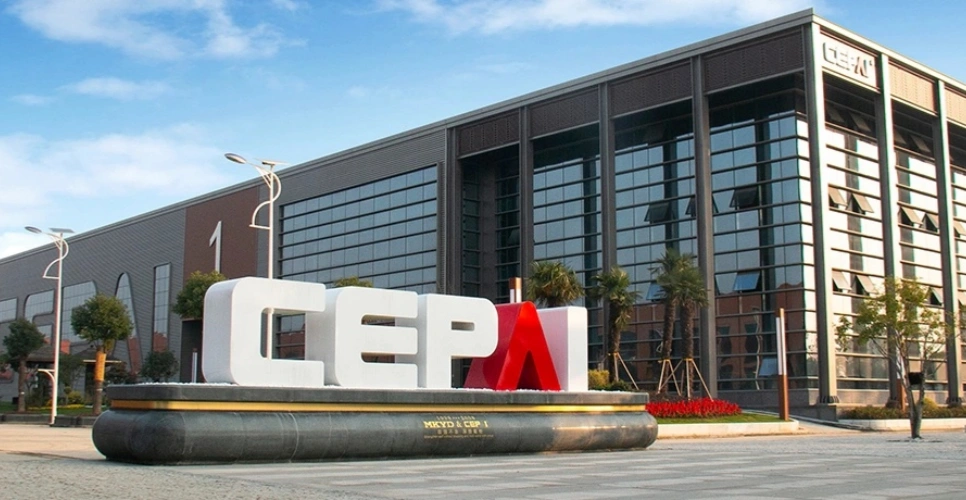
CEPAI Group Co., LTD. is a national high-tech firm, a "specialised and special new small giant" enterprise, founded in January 2009 in Jinhu Economic Development Zone of Jiangsu Province. It has a plant covering an area of 56,000 square meters and a registered capital of 200 million yuan. It produces wellhead equipment and pipeline valves, regulating valves, instruments, and meters for oil and gas drilling and production. API Q1, API 6A, API 6D, API 602, ISO 9001, ISO 14001, ISO 45001 and CE certified. A pneumatic high temperature control valve from such a company is proof of profound technical understanding and consistent quality.
Technology Platforms and Testing Capability
Technology Research Center, the Jiangsu Province High-Performance Fluid Control Device Engineering Research Center, a provincial Industrial Design Center, and a CNAS nationally recognised laboratory. These platforms allow for rigorous design validation and testing to assist each pneumatic high temperature control valve in achieving its claimed specifications. It is also a Jiangsu smart factory and Internet benchmarking plant and a recipient of the Mayor Quality Award, showing contemporary, well-controlled production.
Industry Chain Experience and Customer Trust
CEPAI is positioned in the midstream of the valve industrial chain, relying on upstream suppliers of castings, forgings, seals and control components and serving downstream petrochemical, power, metallurgy and water treatment clients. It has supplier certifications from PetroChina, Sinopec and CNOOC and works with firms such as China Huaneng, Wanhua Chemical and Baowu Group. CEPAI pneumatic high temperature control valves with sleeve type regulating valves and throttle valves are proven in the field, with practical competence and rapid technical help.
Conclusion
With suitable design and specification, a pneumatic high temperature control valve may be reliably utilised with steam. The valve and actuator are protected by heat resistant body materials, hard faced trim, live-loaded graphite packing and an extended bonnet. A positioner enables accurate, quick control. The valve is utilised in power generation, petrochemical, metallurgical and water treatment sectors where stable steam pressure and temperature are of paramount significance. The key to success is to supply all process data, choose the optimal valve size, install it with proper condensate management, and perform periodic inspections. If you have a steam control project on the drawing board, talk to an experienced manufacturer now and choose a valve that’s engineered for the job.
Send your questions or specifications to sales@cepai.com, and we will respond promptly with a tailored proposal. Contact CEPAI today and bring dependable steam control to your facility.
FAQ
Can a pneumatic high temperature control valve handle superheated steam?
Yes. With suitable alloy materials and hard-faced trim, it controls superheated steam reliably.
Why use pneumatic actuation for steam?
Compressed air is fast, clean, and safe in hazardous areas, and spring-return designs provide fail-safe action.
How is the actuator protected from heat?
An extended or finned bonnet, graphite packing, and proper insulation keep the actuator within a safe temperature range.
What trim suits high-velocity steam?
Sleeve-type, cage-guided, or multi-stage trim reduces noise and erosion.
What data is needed to select the valve?
Steam pressure and temperature, flow range, pressure drop, air supply, and failure position.

Get professional pre-sales technical consultation and valve selection services, customized solution services.
About CEPAI
Popular Blogs