Best Split-Body Ball Valve Features for High-Pressure Service
Every part of the valve is important when the pressure goes up. Heavy-duty lines often use the split-body ball valve because it is simple to keep up and the ball, seats, and seals can be put in perfectly because it is split into two parts. But not every split-body ball valve is the same. The best units have been tried a lot, are made of strong materials, have well-thought-out seats, and seal the stem well. This article talks about the main features of high-pressure service, the valve's uses, and how to choose one and keep it in good shape so that you can pick a split-body ball valve that will work safely and reliably.
Why a Split-Body Design Suits High-Pressure Service

How the Two-Piece Construction Works
The main body and an end piece hold the ball and seats together inside a split-body ball valve. The design lets the person who made it spin the inside room correctly and add a bigger, stronger ball than they could if the body was made of a single piece. The bolted connection is sealed with a gasket or O-ring that also stops sound pressure. When it's being put together, the cavity stays open so that seats and seals can be fitted with very tight tolerances to shut off. Because it is so simple, the split-body ball valve is often used in tough situations.
Strength and Full-Bore Flow
The hole in a lot of high-pressure split-body ball valves is full bore, which means that it is the same size as the pipe. With a full bore, you can put tools inside the pipes when you need to and lose less pressure and less noise. Because the body walls and end connections are so strong, they can hold heavy loads without coming apart. For operators, a split-body ball valve with the right wall thickness and a full-bore ball is a good choice because it lets the flow go smoothly and lasts a long time. This keeps energy loss to a minimum and makes it possible for systems to work well when pressure is high.
Serviceability and Lifecycle Value
Help is easy to get, which is another plus. To check the seats, balls, and seals or replace them, the body bolts are taken off. This depends on the type of valve and how the pipeline is built. This means the split-body ball valve won't need much maintenance for a long time. Repair steps are easy to understand, and spare parts are simple to keep on hand. The useful design of this split-body ball valve will keep the pipeline going more efficiently over its lifetime. It also lets you plan for maintenance costs, which makes it a good long-term investment for high-pressure systems.
Essential Features to Look For
Body and Ball Materials
The first step is the choice of material. Split Body Ball Valves: Sometimes carbon steel such as A105 or WCB is produced or cast to construct a split body ball valve for high-pressure applications. Carbon steels that can withstand low temperatures or stainless steels like 316 and duplex are also utilised. The ball is typically composed of stainless steel and has a strong ENP or tungsten carbide casing to resist wear and corrosion. Always confirm that the material is suitable for the fluid, the temperature, and the pressure. When split-body ball valves are built well, they endure a long time, are sturdy, don't rust, and perform smoothly.
| Component | Typical Material | Benefit in High-Pressure Service |
|---|---|---|
| Body | A105, WCB, LF2, stainless, duplex | Strength and corrosion resistance |
| Ball | 316 stainless with hard coating | Wear resistance and smooth surface |
| Seat | PTFE, PEEK, metal | Tight sealing across conditions |
| Stem | 17-4PH or stainless steel | High torque capacity |
| Bolting | Alloy steel B7 | Reliable joint integrity |
Seat Design and Sealing Performance
The seats change the way it turns off. Bubble-tight seals and metal chairs for high temperatures, wear, and fire risk, and for mild temperatures. To make soft seats, strong PTFE or PEEK is used. When the pressure is low, seats with springs stay in contact with the ball. Versions that float or are placed on a trunnion spread stress well. It may also provide double block and bleed if the split-body ball valve is built right. This lets you check for leaks between the seats. If you pick the right middle base, the split-body ball valve will always close, even when the pressure is very high.
Stem Sealing and Anti-Blowout Design
The stem needs to be sealed because it goes through the pressure barrier. On a high level, many O-rings, graphite or PTFE packing, and live-loaded packing are used to maintain the closing force over time. The anti-blowout stem can't be pushed out by pressure inside the body because it stays there. Anti-static gear safely sends static electricity from the ball to the body. These safety features make it safer to use the split-body ball valve in places that are hot, dangerous, or flammable. They also make it less likely that the stem will leak from the outside.
Pressure Classes, Standards and Testing
Pressure Ratings and End Connections
High pressure service is generally described by pressure ratings such as ASME Class 600, 900, 1500, or 2500. 2. API 6A pressure ratings of 5,000 or 10,000 psi are useful for wellhead applications. Pipe standards specify the ends may be linked by a flange, a buttweld or a hole. The pressure class of the split body ball valve you choose should be appropriate for the operating temperature and pressure. This is because the maximum pressure rating increases with temperature. The split body ball valve meets the requirements of the line and project as for grade, face type, and end connection.
Applicable Standards and Certifications
Standards and licenses that matter: Buyers are safe if they know the rules. ISO 17292 and API 608 talk about metal ball valves. API 607 or ISO 10497 checks to see if the design is fire-safe. API 6D is for ball valves in pipelines, and API 6A is for tools at the wellhead. To keep track of production, quality methods like ISO 9001 and API Q1 are used. Everyone who works for the company that makes these valves knows that each one is made and tested in a way that meets the rules. It is now easier to check out and approve big projects, and property owners will have peace of mind for a long time.
Factory Testing and Quality Assurance
Reliable valves are not the same as traditional valves because they have been tried many times. Different types of tests are used for different types of items. Some common types of tests for heavy-duty items are fire-safe, cold, or runaway emission tests. Tests of material proof, measurement, and non-destructive examination are also used to check casts and welds. Make sure that the test results for each split-body ball valve come from a good lab. Writing down results is a good way to keep track of your assets and show that you've been successful.
Applications That Demand High-Pressure Valves
Oil and Gas Production
Industries that work with oil and gas use harsh materials, high pressure, and fluids that are acidic or corrosive. Split-body ball valves are often used to quickly and reliably turn off pipes, wellheads, gathering lines, and gearing lines. There are full-bore and quick quarter-turn actions for pigging and emergency shutoff. The split-body ball valve can handle bad service up to NACE standards if it is made of the right materials and has the right trim. This lets workers reliably run production and transportation systems in tough field conditions.
Petrochemical and Chemical Plants
In chemical and petroleum operations, personnel deal with feedstocks, solvents, hydrogen, and process gases in high-pressure lines. The ball valve with split body is constructed of alloy or stainless steel, which does not corrode. It has a strong shut-off, preventing critical or hazardous media from leaking. Companies that employ low-emission steam sealing may comply with environmental regulations. The split body ball valve may be operated by pneumatic, hydraulic, or electric actuators. They are also easy to implement in distributed control systems for safe and reliable shutdown of reactors, storage units, and utility lines.
Power, Metallurgy and Water Treatment
Power plants need ways to handle feedwater, fuel gas, and high-pressure steam. Companies that make steel and metal need ways to cool and handle gases. To treat and desalinate high-pressure water, you also need strong valves. This is a good time to use a split-body ball valve because it has low flow resistance, positive shut-off, and a long life. We can get extra parts and train workers more quickly if all of the offices use the same kind of valve. This will also give plant managers a solid base for running the business in a safe and effective way.
Selection and Maintenance Tips
Gathering the Right Specification Data
People who are right don't make mistakes. Describe the fluid's pressure, temperature, flow rate, line size, end connector, actuator type, and any standards that apply. Say something sour, cold, or bitter. The company that made your split-body ball valve can now choose the materials, how they are seated, and how they are sealed. When you set fire-safe, anti-static, double block, bleed, or emission standards early on, you don't have to make changes later. This makes sure that the split-body ball valve is ready to be placed and used.
| Selection Factor | Information to Provide | Why It Matters |
|---|---|---|
| Fluid and temperature | Medium, normal, and peak values | Selects materials and seats |
| Pressure | Operating and design | Sets pressure class |
| Connections | Flanged, welded, threaded | Ensures piping fit |
| Actuation | Manual, pneumatic, electric | Defines torque and accessories |
| Standards | API, ISO, fire-safe, emission | Confirms compliance |
Installation and Commissioning
Clean the pipe really well before putting the valve on it so that dirt and other things don't get to the seats. Your body will feel lighter if you hold the pipe up. Follow the bolting order and torque specs for the flanges. Slowly open the split-body ball valve when the pressure builds up to avoid loads that weren't expected. Turn the valve a few times to make sure it works right. During commissioning, the actuator, limit switches, and any bleed or vent connections should be tested to make sure the valve is in good shape and works properly before it is put into service.
Routine Care for Long Service Life
The split-body ball valve doesn't need any maintenance, but if you do it often, it will last longer. Open valves that aren't used very often to keep the stems and seats clean. Check the outside for leaks and grease the injection ports on the seat or stem if you have them. During the planned downtime, switch out the seals and packing. For each unit, check the broken parts, split-body ball valves, and torque readings. It's easy to find patterns this way, and the valve is always ready for hot use.
Why Choose CEPAI for High-Pressure Valve Solutions
A Manufacturer with Strong Credentials
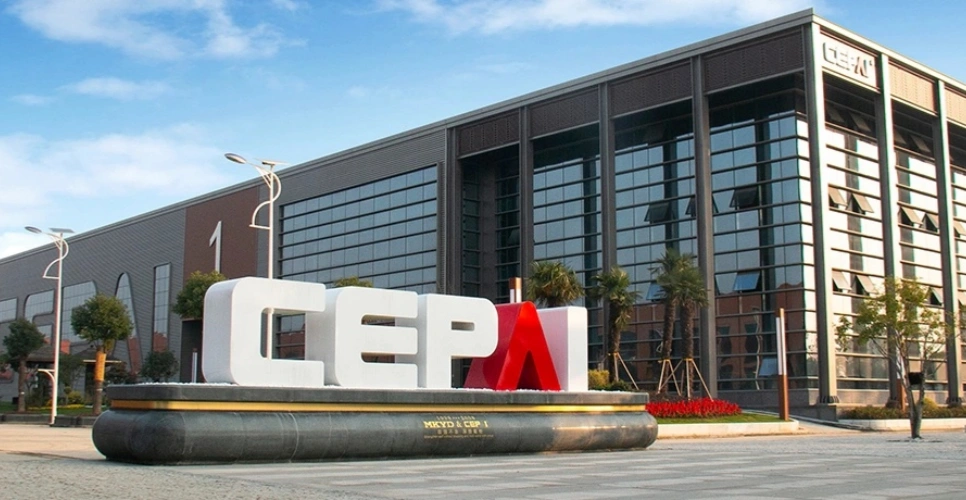
In January 2009, CEPAI Group Co., LTD. was formed. This is a "specialised and special new small giant" business in the Jinhu Economic Development Zone in Jiangsu Province. It is a national high-tech company. The land is 56,000 square meters, and the stock capital is 200 million yuan. Pipeline valves, wellhead valves, control valves, and tools for drilling and making oil and gas are all made by this company. There are certifications for API Q1, API 6A, API 6D, API 16C, API 602, ISO 9001, ISO 14001, ISO 45001, and CE. There are years of engineering experience and high quality that went into making the CEPAI split body ball valve.
Technology Platforms and Testing Capability
There are a number of places that help CEPAI do its job. These include the Jiangsu Province High-Performance Fluid Control Device Engineering Research Center, the Jiangsu Province Fluid Control Engineering Technology Research Center, the provincial Industrial Design Center, and a well-known CNAS laboratory. They also make it possible to test and validate designs many times to make sure that every single split body ball valve meets the standards that have been set. The company is also a smart factory in Jiangsu and an Internet benchmark plant. It won the Mayor Quality Award.
Industry Chain Experience and Customer Trust
In the valve business, CEPAI is in the middle of the chain. Upstream, it gets its parts from companies that make castings, forgings, seals, and control parts. Downstream, it serves customers in the petrochemical, power, metallurgy, and water treatment industries. PetroChina, Sinopec, and CNOOC all buy from it, and it also works with China Huaneng, Wanhua Chemical, and Baowu Group. There are emergency cutoff valves and double-disc check valves that have been used for a long time. That's why you can get a CEPAI split-body ball valve and quick, helpful help from experts.
Conclusion
There is a tough two-piece body made of forged or cast metals in high-pressure split-body ball valves. They also have a hard-coated ball, well-designed seats, and a stem seal that stops blow-out. It needs to be the right pressure class, meet well-known standards like API 6D and API 6A, and have been tested thoroughly at the factory. These parts make sure that the chemical, power, water, oil and gas, and other uses are safe and don't leak. The valve will last for years if it is ordered correctly, put in correctly, and kept in good shape. If you ever need a valve for a high-pressure job again, get one from a maker who has done it before.
Send your requirements or questions to sales@cepai.com, and we will reply promptly with a tailored proposal. Contact CEPAI today and secure safer, more reliable pipeline control.
FAQ
What is a split-body ball valve?
It is a ball valve whose body is made of two bolted pieces, allowing precise assembly and easier service.
Which pressure classes are available?
Common options include ASME Class 600 to 2500 and API 6A ratings up to 10,000 psi.
Which seat material is best?
Reinforced PTFE or PEEK suits many duties, while metal seats suit high-temperature and abrasive service.
Why is an anti-blowout stem important?
It prevents internal pressure from ejecting the stem, improving safety.
What tests should I request?
Hydrostatic shell and seat tests, plus fire-safe or emission tests where required.

Get professional pre-sales technical consultation and valve selection services, customized solution services.
About CEPAI
Popular Blogs