How to Specify a Pneumatic Low Temperature Control Valve
The choice of a pneumatic low temperature control valve is more than just choosing a size and pressure class. Metals contract, seals become hard, and standard packing may not be enough for liquefied natural gas, liquid nitrogen, liquid oxygen, ethylene or any other cryogenic fluid. Here, a pneumatic low temperature control valve is designed to give precise flow control. It uses an air actuated actuator, unique materials and an expanded bonnet to shield the stem seal from the cold. This tutorial will cover the information you need to obtain, the design characteristics to think about, size and accessory selections, and the tests to make sure the valve you choose will operate consistently.
Understanding Low Temperature Service Requirements

Defining the Process Conditions
The operational data starts every specification. Record fluid name, minimum and normal temperature, intake and outlet pressure, maximum and minimum flow, and whether the fluid is liquid, gas or two phase. A pneumatic low temperature control valve is often operated from around minus 46 degrees Celsius down to minus 196 degrees Celsius or lower and the specific temperature dictates the material and bonnet design. Also notice upset situations such as cool down, warm-up or vapour flashing. The manufacturer will be sent with the entire data so that the pneumatic low temperature control valve may be sized on actual workload rather than a generic catalogue item.
Why Cryogenic Conditions Change Valve Design
At extremely low temperatures, normal carbon steel becomes brittle and elastomer seals lose their elasticity. That’s why a pneumatic low temperature control valve will employ austenitic stainless steel and other alloys that preserve their hardness when cold. Thermal contraction also affects the clearances of the plug, seat and guide and the trim must be constructed to be free and leak tight. The vaporisation caused by heat pouring in from the surroundings upsets control. These effects are overcome by a properly constructed pneumatic low temperature control valve with insulation friendly shape, a longer neck and well chosen sealing materials.
Common Industries and Applications
Cryogenic control valves are used in LNG terminals, air separation facilities, ethylene plants and industrial gas distribution.In each case a low temperature pneumatic control valve manages a very cold fluid flow, pressure or level. It is capable of regasification, filling of tanks, management of boil off gas and cold box operations. The pneumatic version of low temperature control valves is often preferred over electric actuation since compressed air is easily available and is inherently safe in hazardous environments. Understanding the application will help to identify the point of failure, response time and any certifications necessary for the project.
Key Design Features to Specify

Body and Trim Materials
The choice of materials is the basis of a good specification. The body of a pneumatic low temperature control valve is often constructed of CF8M, CF3M or other grades of stainless steel appropriate for cryogenic application, and the trim may be made of hardened stainless steel with a Stellite overlay when wear resistance is necessary. Seats may be metal or a low temperature polymer such as PTFE versions authorised for cold usage. Ensure the manufacturer can provide material certifications and impact test records. Pneumatic low temperature control valve: sturdy and leak-tight for its life by matching materials to temperature and fluid.
| Component | Common Material | Purpose in Cold Service |
|---|---|---|
| Body | CF8M, CF3M stainless steel | Toughness at low temperature |
| Trim | 316 stainless with hard facing | Wear resistance and tight shut-off |
| Seat | Metal or approved low temperature polymer | Reliable sealing |
| Stem | 316 stainless steel | Strength and corrosion resistance |
| Bolting | Low temperature alloy steel | Joint integrity |
Extended Bonnet and Packing Arrangement
A pneumatic low temperature control valve has an enlarged hood as a characteristic feature. It removes the packing box out of the cold zone so the stem seal functions close to ambient temperature and prevents ice build-up and packing damage. Specify minimum fluid temperature and insulation thickness since bonnet length is dependent on them. PTFE or graphite packing, live loaded, gives better sealing after repeated cycles. An expanded bonnet, properly built, will let the pneumatic low temperature control valve move freely and will prevent the possibility of heat intrusion and external leakage at the stem.
Valve Style and Flow Characteristics
Pick a physique that matches your profession. Globe valves are the most typical choice for pneumatic low temperature control valves, providing precision throttling. Larger pressure fluctuations are allowed, and noise may be reduced by devices regulated by a sleeve type or cage. Select a flow feature that is intrinsic to the process response (e.g., equal %, linear, etc.). Specify needed shut-off class (e.g., Class IV or Class V) and verify end connections (e.g., flanged, butt-weld or socket-weld). By accurately characterising them, you may be certain that the pneumatic low temperature control valve will match the pipe and control system.
Sizing and Actuator Selection
Calculating Cv and Valve Size
Proper sizing avoids poor control and wasted energy. Calculate necessary Cv from flow rate, pressure drop, fluid density, and vapour pressure. Select a valve with a normal flow in the 60 to 80 percent of trip range. A large pneumatic low temperature control valve will hunt on the seat. You can’t get through peak demand with an undersized one.” Be aware of flashing and cavitation for cryogenic liquids since little fluctuations in pressure recovery may degrade performance. The provider can confirm the size of pneumatic low temperature control valves for dependable and accurate administration with complete data.
Choosing the Right Pneumatic Actuator
Pneumatic actuators come in piston and spring diaphragm types. Piston actuators are utilised for huge valves or high differential pressure when a greater force is needed. Spring-diaphragm actuators work well for most minor thrust throttling applications. If you specify a pneumatic low temperature control valve, indicate the available air supply pressure, the required thrust or torque margin and the stroke time. Actuator size must be determined by seat load, packing friction, and maximum shut-off pressure. Proper design of the actuator provides full opening and closing of the pneumatic low temperature control valve in spite of modest increase of the stem friction in the cold.
Fail-Safe Action and Control Signals
Controlled failure position safety philosophy. The conventional approach is fail-closed for fuel and combustible cryogens, whereas fail-open may be more acceptable for cooling or relief services. This motion is automatically created by a spring-return actuator in the event of lack of air. A pneumatic low temperature control valve is often actuated by a pneumatic positioner receiving a 4 to 20 mA, HART, or pneumatic 3 to 15 psi signal. Specify signal type, hazardous area certification, and location feedback criteria. If these expectations are defined as early as feasible, the pneumatic low temperature control valve is able to communicate seamlessly with the plant management system and react consistently to every request.
Accessories and Installation Considerations

Positioners, Air Sets and Feedback Devices
A valve is controlled using accessories. A smart positioner enhances precision, decreases dead band, and offers diagnostics for the pneumatic low temperature control valve. An air filter regulator protects the actuator from moisture and particles, and the solenoid valves allow emergency shutdown. Valve status is sent to the control room via limit switches or position transmitters. Ask for accessories to be installed away from the coldest surfaces, so they are reliable in cold circumstances. The pneumatic low temperature control valve is complete and ready for commissioning; all accessories are clearly listed in the data sheet.
Insulation, Mounting and Piping Layout
Install the valve with the bonnet vertical or within the angle advised by the manufacturer, so that the expanded neck will work as intended and cold liquid will not contact the packing. Insulate the body and pipes but keep the bonnet extension free as described. Support so the weight of the pipe is not loading the valve. Clearance for removal of actuator and trim. The good architecture allows the pneumatic low temperature control valve to maintain stable temperature, minimise heat gain and simplify subsequent inspection, which support long and consistent service.
Testing, Certification and Documentation
Ask for the exams that show performance. These normally involve hydrostatic shell and seat tests, verification of seat leakage and, for cryogenic duty, a low temperature test in liquid nitrogen if necessary. Request material certifications, dimension reports, and appropriate standards compliance such as API 6D, API 602, ISO 9001, or CE when necessary. The pneumatic low temperature control valve is considered to satisfy the specification by buyers and inspectors, since full documentation is given. It also acts as a dependable record for audit and future maintenance planning.
| Specification Item | Information to Provide | Why It Matters |
|---|---|---|
| Fluid and temperature | Name, minimum and normal values | Selects materials and bonnet length |
| Pressure and flow | Inlet, outlet, minimum, maximum | Determines Cv and valve size |
| Actuator data | Air supply, failure action, stroke time | Sets actuator type and size |
| Accessories | Positioner, solenoid, switches | Ensures control integration |
| Testing and documentation | Pressure, leakage, certificates | Confirms quality and compliance |
Why Choose CEPAI for Control Valve Solutions
A Manufacturer with Strong Credentials
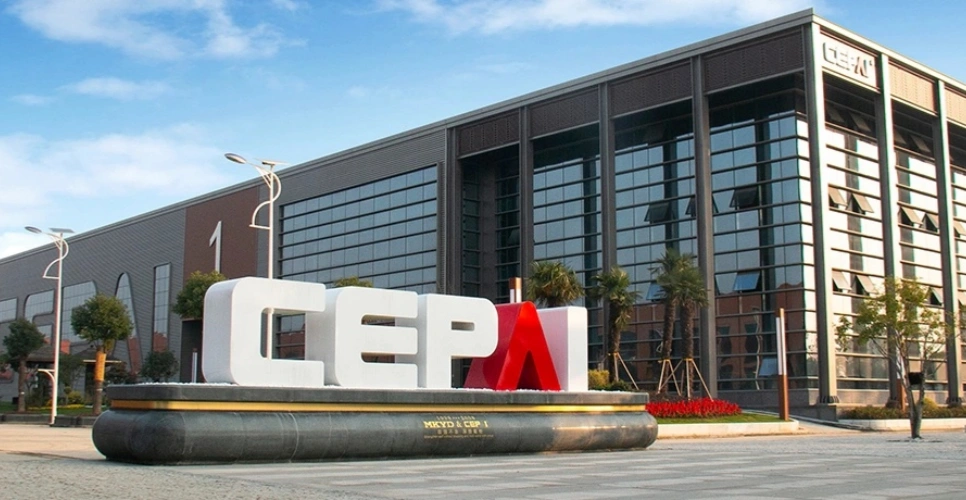
CEPAI Group Co., LTD. was founded in January 2009 in Jinhu Economic Development Zone of Jiangsu Province; it is a national high-tech firm and a “specialized and special new small giant” enterprise. The company has a 56,000 square metre factory, registered capital of 200 million yuan, and produces wellhead devices, pipeline valves, regulating valves, and instruments and meters for oil and gas drilling and production. It is certified under API Q1, API 6A, API 6D, API 602, ISO 9001, ISO 14001, ISO 45001, and CE. You can trust the technical depth and the consistent quality of a pneumatic low temperature control valve from this kind of manufacturer.
Technology Platforms and Testing Capability
CEPai is backed by the Jiangsu Province Fluid Control Engineering Technology Research Center, the Jiangsu Province High-Performance Fluid Control Device Engineering Research Center, an industrial design center of the province and a CNAS nationally recognised laboratory. These platforms provide the ability for rigorous design validation and testing, such that each pneumatic low temperature control valve meets its specified performance criteria. The firm has been recognised as a Jiangsu smart factory and Internet benchmark factory and awarded the Mayor Quality Award, indicating contemporary, well-controlled production.
Industry Chain Experience and Customer Trust
CEPAI is in the midstream of the valve industry chain, from the upstream suppliers of castings, forgings, seals and control elements to the downstream consumers of petrochemicals, energy, metallurgy and water treatment. It has supplier certifications from PetroChina, Sinopec, and CNOOC. It has worked with companies such as China Huaneng, Wanhua Chemical, and Baowu Group. The sleeve-type regulating valves and throttle valves are the products of real field experience. So CEPAI pneumatic low temperature control valves have the actual expertise and rapid technical support.
Conclusion
Specifying a pneumatic low temperature control valve is a process of aligning process data with the appropriate design options. Start with the fluid, temperature, pressure, and flow. Select the correct stainless steel materials, enlarged bonnet and body design for the control and shut-off required. Size the valve properly. Select an actuator with sufficient force and a safe failure position, and install positioners and accessories appropriate to the location. And last, go for proper testing and documentation. These procedures will give you a valve that will regulate accurately for years in cryogenic use. When you are ready to proceed, get in touch with an experienced supplier and put your requirements in capable hands.
FAQ
What temperature range does a pneumatic low temperature control valve cover?
Typically from about minus 46 degrees Celsius to minus 196 degrees Celsius or lower, depending on design.
Why does the valve have an extended bonnet?
It keeps the packing away from the cold zone, preventing freezing and protecting the stem seal.
Which materials are commonly used?
Austenitic stainless steels such as CF8M and CF3M, with hard-faced trim where wear resistance is needed.
How do I choose the failure position?
Select fail-closed for flammable fluids and fail-open for cooling or relief duty, based on your safety study.
What information should I send for a quotation?
Fluid, minimum temperature, pressures, flow range, air supply, end connections, and required certifications.
Request a Quote for Your Low Temperature Valve Today
Ready to specify a pneumatic low temperature control valve for your project? The CEPAI team can help you turn process data into a complete, accurate data sheet. Share your fluid, temperature, pressure, flow range, and installation details, and our engineers will recommend suitable materials, actuators, and accessories, along with the documentation your project needs. Whether you are building a new facility or upgrading existing equipment, we are committed to dependable quality and responsive service. Send your requirements or questions to sales@cepai.com, and we will reply promptly with a tailored proposal. Contact CEPAI today and take the next step toward safer, more reliable cryogenic flow control.

Get professional pre-sales technical consultation and valve selection services, customized solution services.
About CEPAI
Popular Blogs