Best Pneumatic Low Temperature Flow Control Valve Supplier
Finding the finest Pneumatic Low Temperature Flow Control Valve provider goes beyond catalogue costs. From LNG terminals to industrial refrigeration systems, cryogenic and sub-zero applications require equipment with specialised materials, precise manufacturing tolerances, and rigorous testing. The valve's manufacturer is as important as its technical specification. This guide discusses what makes a top-tier supplier, what technical capabilities to prioritise, how to evaluate reliability and industry reputation, common red flags, and why CEPAI Group is trusted by buyers of this specialised equipment. This can help you make a more confident choice whether making your first purchase or assessing an existing supplier relationship.
What Separates a Top-Tier Supplier from the Rest
Not all manufacturers offering a Pneumatic Low Temperature Flow Control Valve deliver the same level of engineering rigor, and understanding the difference starts with a few core indicators.
Manufacturing Certifications That Matter Most
A supplier's quality commitment is most evident in certification. Buyers of Pneumatic Low Temperature Flow Control Valves should prioritise providers having API Q1, API 6D, ISO 9001, ISO 14001, ISO 45001, and CE marking for European markets. These certifications provide purchasers with confidence beyond a supplier's marketing claims by independently assessing production procedures, quality documentation, and traceability systems. Without certification, a manufacturer's manufacturing quality is suspect.
In-House Engineering and R&D Investment
The greatest suppliers invest in engineering and research rather than just manufacturing parts. An in-house Fluid Control Engineering Technology Research Center, Industrial Design Center, or comparable specialised research infrastructure shows a true capacity to enhance cryogenic valve design over time. Instead of delivering a set catalogue design, a provider with considerable R&D investment may customise a Pneumatic Low Temperature Flow Control Valve for exceptional pressure, temperature, or material requirements.
Testing and Quality Verification Processes
Any valve used in cryogenic duty must be tested thoroughly since a single sealing failure might be dangerous. The best valve suppliers have in-house testing labs with CNAS or comparable national certification to validate material characteristics, leak-tightness, and functional performance before shipping. Buyers should enquire if every unit undergoes functional testing or simply a sample is verified, since this affects their trust in each valve.
Technical Capabilities to Look for in a Supplier
Beyond baseline certification, certain technical capabilities distinguish suppliers who can genuinely support demanding cryogenic applications.
Cryogenic Material Expertise
Since ordinary metals and elastomers may become brittle or lose sealing capacity at sub-zero temperatures, material selection is crucial for a pneumatic low temperature flow control valve. The finest providers specialise in austenitic stainless steel trimmings, cryogenic-rated sealing compounds, and extended bonnet designs to shield actuator components from cold. Because general answers frequently imply poor cryogenic engineering competence, buyers should ask possible suppliers thorough questions regarding material behaviour at their working temperature.
Custom Engineering for Extreme Operating Conditions
As pressure, flow, and installation requirements vary in cryogenic applications, the flexibility to customise a Pneumatic Low Temperature Flow Control Valve is a key distinction. Instead of forcing consumers to settle for a design that barely suits their application, leading vendors may alter bonnet length, seat material, actuator size, and body layout to meet process conditions.
Broad Product Portfolio and Standardization Options
Buyers can standardise on a single trusted manufacturer across multiple applications when suppliers offer electric control valves, pneumatic and electric ball valves, pneumatic and electric butterfly valves, and fluorine-lined valves in addition to their Pneumatic Low Temperature Flow Control Valve line. Unlike obtaining valve types from various separate suppliers, this simplifies procurement, reduces spare parts complexity, and strengthens long-term commercial relationships.
| Capability | Why It Matters for Cryogenic Applications |
|---|---|
| Cryogenic Material Expertise | Prevents brittle fracture and seal failure in extreme cold |
| Custom Engineering | Matches valve design to unique process conditions |
| In-House Testing Lab | Verifies performance before shipment |
| Broad Product Portfolio | Enables procurement standardization |
Evaluating Supplier Reliability and Industry Reputation
A supplier's track record with existing customers offers some of the most reliable evidence of whether they can be trusted with a critical order.
Approved Supplier Status with Major Operators
Buyers should enquire whether a possible supplier is authorised by big national oil firms, energy groups, or engineering contractors, which need substantial manufacturing capabilities and quality system audits. A Pneumatic Low Temperature Flow Control Valve provider that has been vetted by big industrial purchasers provides a level of assurance that smaller, less established manufacturers cannot match.
Export Experience and Global Reach
Export-experienced suppliers comprehend cryogenic-rated equipment shipping paperwork, packing, and logistics. This expertise decreases the danger of customs delays, packing damage, and compliance difficulties with a manufacturer inexperienced with a target market. Buyers of equipment for projects outside the supplier's native nation should verify past export experience to similar locations.
Customer Support and After-Sales Service
Long-term dependability goes beyond buying. Before choosing a supplier, buyers should check spare parts availability, warranty terms, and technical support since delays in obtaining replacement seals, seats, or actuator components for a Pneumatic Low Temperature Flow Control Valve can cause costly downtime in a critical cryogenic system. A supplier that provides after-sales assistance is a safer long-term partner than one that just sells.
Red Flags to Avoid When Choosing a Supplier
Certain warning signs consistently correlate with poor long-term outcomes when sourcing specialized cryogenic valve equipment.
Lack of Verifiable Certifications
A provider that cannot give API or ISO certifications that may be validated against issuing body records is a major red flag. Pneumatic Low Temperature Flow Control Valve buyers should be wary of broad promises of "meeting international standards" without particular, checkable certificate numbers and issuing agencies.
No Documented Testing or Material Traceability
Approach suppliers that cannot offer material test certificates or recorded functional testing results for individual units with caution since this makes it difficult to verify that the valve obtained fulfils the standard specified. A provider concerned about quality control in cryogenic applications where material qualities are safety-critical must have full material traceability from raw material heat numbers to final assembly.
Limited Manufacturing Transparency
A provider that won't disclose plant size, production techniques, or in-house capacity may be reselling equipment from unknown third parties. This lack of transparency makes it hard to judge manufacturing quality and raises the possibility of uneven performance among orders of the same nominal product.
| Red Flag | What It Suggests |
|---|---|
| No verifiable certifications | Possible quality management gaps |
| No material test documentation | Limited traceability and quality assurance |
| Vague manufacturing details | Possible reselling rather than direct manufacturing |
| No after-sales support structure | Risk of unsupported equipment post-purchase |
Why CEPAI Stands Out as a Leading Supplier
Measured against these criteria, CEPAI Group demonstrates the characteristics buyers should expect from a genuinely trustworthy manufacturer.
A Certified National High-Tech Enterprise
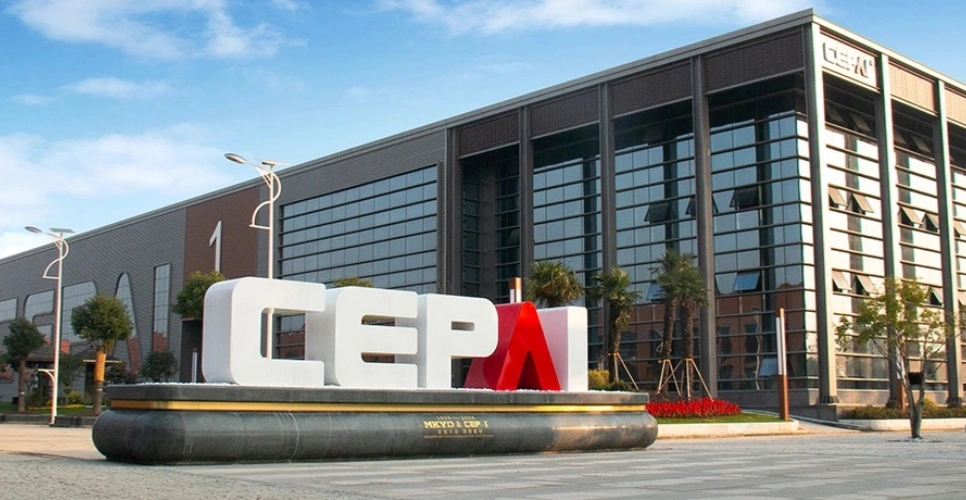
CEPAI Group Co., Ltd., located at 333 Jianshe West Road in the Jinhu Economic Development Zone of Jiangsu Province, was established in January 2009 with a registered capital of 200 million yuan and a total plant area of 56,000 square meters. The company is recognized as a national high-tech enterprise and holds API Q1, API 6A, API 6D, API 16C, API 602, ISO 9001, ISO 14001, ISO 45001, and CE certifications, along with a CNAS nationally recognized laboratory, providing verifiable assurance behind every Pneumatic Low Temperature Flow Control Valve it produces.
Full Supply Chain Integration
CEPAI's operations span the full supply chain, from upstream partners supplying castings, forgings, and seals, through midstream design and assembly at its own 56,000 square meter facility, to downstream relationships across petrochemical, power, and metallurgy sectors. This integration, supported by dedicated research centers including a Fluid Control Engineering Technology Research Center and an Industrial Design Center, allows CEPAI to maintain consistent quality control from raw material through finished valve.
Proven Track Record with Global Industrial Leaders
CEPAI has obtained supplier qualification status with PetroChina, Sinopec, and CNOOC, along with China Datang Group, Baowu Group, China Huaneng, and Wanhua Chemical, among other major industrial organizations. This track record of approved supplier status with some of the world's largest energy and industrial groups offers strong evidence that CEPAI's Pneumatic Low Temperature Flow Control Valve meets the rigorous standards demanded by the most safety-conscious buyers in the industry.
Conclusion
Choosing the best Pneumatic Low Temperature Flow Control Valve supplier means verifying certifications, engineering capability, and industry reputation. CEPAI meets these standards reliably. Contact us to start sourcing today.
FAQ
Q1: What certifications should I check before choosing a supplier?
A: Prioritize suppliers holding API Q1, API 6D, ISO 9001, ISO 14001, and CE certifications, along with a recognized in-house testing laboratory.
Q2: How can I verify a supplier's cryogenic material expertise?
A: Ask detailed questions about material behavior at your specific operating temperature and request documented material test certificates for verification.
Q3: What are common warning signs of an unreliable supplier?
A: Lack of verifiable certifications, no material traceability documentation, and vague answers about manufacturing processes are all significant red flags.
Q4: Does CEPAI offer other valve types besides low-temperature control valves?
A: Yes, CEPAI also produces electric control valves, pneumatic and electric ball valves, pneumatic and electric butterfly valves, and fluorine-lined valves.
Q5: Is CEPAI qualified to supply major international energy companies?
A: Yes, CEPAI holds approved supplier status with PetroChina, Sinopec, and CNOOC, among other major industrial organizations.
Looking for a Dependable Cryogenic Valve Supplier? Contact CEPAI Today
If you are sourcing a Pneumatic Low Temperature Flow Control Valve for an upcoming project, CEPAI's certified manufacturing facilities, in-house engineering capability, and proven track record with major industrial groups make it a dependable choice. Our team can provide technical documentation, material certificates, and customized quotations tailored to your specific cryogenic application. Reach out today to discuss your project requirements and receive a detailed proposal. Contact us directly at cepai@cepai.com and let CEPAI support your project from initial inquiry through long-term after-sales service.

Get professional pre-sales technical consultation and valve selection services, customized solution services.
About CEPAI
Popular Blogs