Top Uses and Benefits of Electric Sleeve Control Valves
The Top Uses and Benefits of Electric Sleeve Control Valves are tightly linked to current industrial automation. Plants need steady control, corrosion-resistant materials, precise actuator response, and dependable supplier support. Stainless Steel Electric Sleeve Control Valve provides electric actuator control, stainless steel valve construction, and sleeve-guided throttling trim to manage flow, pressure, temperature, or level in demanding process systems. Using information about the CEPAI’s electric control valve products, as well as its experience with regulating valves, pipeline valves, wellhead equipment, instruments, and oil and gas fluid-control devices, this blog discusses where electric sleeve control valves are used, why buyers select them, and how to assess them for long-term project value.
Understanding Electric Sleeve Control Valve Technology
What Makes the Valve Different?
The Stainless Steel Electric Sleeve Control Valve is distinct from the standard manual valve in that it is intended for continuous process control, rather than just pipeline isolation. The valve has an internal trim of sleeve type. The plug is moved in reference to the designed apertures of the sleeve to vary the available flow area. The electric actuator takes a control signal and moves the stem to the desired position to keep the process near the setpoint. This sort of product is presented in the CEPAI electric control valve product information as an industrial regulating valve solution, suited for automated flow-control applications. For the buyer, this implies that the valve must be seen as a full control package: stainless steel body, sleeve trim, plug, stem, electronic actuator, feedback device, sealing parts, and project documentation.
Why Stainless Steel Construction Adds Value
A Stainless Steel Electric Sleeve Control Valve is especially valuable where corrosion resistance, cleanliness, and long-term material stability are important. Stainless steel is widely used in chemical processing, petrochemical systems, water treatment, power generation, metallurgy, and selected oil and gas applications because it can handle many industrial fluids better than ordinary materials in demanding environments. CEPAI’s valve manufacturing background supports material selection for different process conditions, but buyers should still confirm the exact stainless steel grade, body and bonnet materials, trim material, stem material, packing, gaskets, bolting, and pressure-temperature rating. Material certificates should be requested for project approval. A properly selected stainless steel control valve can help plants maintain stable operation while meeting documentation and traceability requirements.
How Electric Actuation Supports Automation
A Stainless Steel Electric Sleeve Control Valve uses an electric actuator to convert electrical control signals into mechanical movement. This is useful when a plant prefers electronic control or does not have a reliable instrument-air system for pneumatic actuation. The actuator may support modulating control, position feedback, local operation, manual override, and communication with a DCS or PLC depending on the selected configuration. CEPAI’s electric control valve product information is relevant because it connects sleeve-type regulating performance with electric automation. Buyers should define actuator voltage, input signal, feedback signal, control mode, enclosure rating, hazardous-area requirements, operating speed, and fail-position requirements before ordering. Correct actuator selection helps the valve integrate smoothly into modern automated process systems.
| Feature | Practical Benefit | Buyer’s Key Check |
|---|---|---|
| Stainless steel body | Corrosion resistance and durability | Confirm stainless steel grade |
| Sleeve trim | Stable throttling and flow control | Request Cv/Kv calculation |
| Electric actuator | Electronic automation and feedback | Confirm voltage and signal |
| Position feedback | Easier monitoring and control | Check output signal compatibility |
| Project documentation | Supports approval and maintenance | Request drawings and certificates |
| CEPAI manufacturing support | Application-based configuration | Provide complete process data |
Top Industrial Uses of Electric Sleeve Control Valves
Petrochemical and Chemical Processing
A Stainless Steel Electric Sleeve Control Valve is widely used in petrochemical and chemical processing because these industries require accurate regulation of many different media, including feedstocks, solvents, additives, cooling water, steam, fuel gas, and reaction-related streams. The stainless steel construction is useful where corrosion resistance and cleanliness are important, while the sleeve trim helps provide stable modulation over a defined operating range. CEPAI’s electric control valve product information supports use in industrial regulating service, and its broader experience in valves and instruments gives buyers a practical supply basis. For chemical applications, users should provide medium composition, concentration, temperature, viscosity, pressure drop, corrosiveness, and required leakage class. This allows the manufacturer to recommend suitable materials, trim, actuator, and sealing components.
Power Generation and Utility Systems
A Stainless Steel Electric Sleeve Control Valve can add value in power generation facilities and utility systems where stable automated regulation supports continuous plant operation. Typical applications may include cooling water control, auxiliary steam regulation, condensate-related services, fuel gas adjustment, boiler support systems, and general process utilities. Electric actuation can be convenient where direct electronic control is preferred or where pneumatic air supply is limited. CEPAI’s downstream application background includes power and industrial markets, making this valve type relevant for utility flow-control duties. Buyers should confirm pressure rating, temperature range, actuator response, control signal, enclosure protection, and site environmental conditions. For power projects, documentation such as test reports, actuator manuals, wiring diagrams, and material certificates can be just as important as the valve itself.
Water Treatment, Metallurgy, and Industrial Facilities
A Stainless Steel Electric Sleeve Control Valve is also commonly applied in water treatment, metallurgy, and general industrial systems. In water treatment plants, it may control filtration flow, chemical dosing, pressure regulation, distribution lines, and process balancing. In metallurgy, it may regulate cooling water, gases, process additives, or utility fluids. Stainless steel construction is attractive in humid, chemically treated, or water-contact environments, while electric actuation supports easy integration into centralized control panels. CEPAI’s industrial product range and electric control valve information align with these application needs. Buyers should define fluid cleanliness, solids content, chloride content, pressure drop, required control accuracy, installation space, and maintenance access. A suitable valve configuration can help operators maintain consistent system performance with less manual adjustment.
Key Benefits for Buyers and Plant Operators
Accurate Flow, Pressure, and Temperature Control
A Stainless Steel Electric Sleeve Control Valve provides important control benefits because it can continuously adjust the flow area inside the valve according to a signal from the control system. This helps plants regulate flow, pressure, temperature, or level with better repeatability than manual operation. The sleeve trim supports predictable throttling, and the electric actuator positions the plug according to the required command. CEPAI’s electric control valve product information provides a product basis for automated industrial control applications. To achieve accurate performance, buyers should provide minimum, normal, and maximum flow data, inlet pressure, outlet pressure, temperature, density, viscosity, and control objective. Correct Cv or Kv sizing is essential because the valve should operate within a useful travel range during normal conditions.
Reduced Dependence on Instrument Air
A Stainless Steel Electric Sleeve Control Valve is beneficial when a plant does not want to depend on pneumatic air lines or when instrument air is unavailable, limited, or expensive to maintain in certain areas. Electric actuation allows the control valve to connect directly with electrical power and control signals. This can simplify automation design in remote stations, packaged systems, water-treatment modules, and certain utility installations. CEPAI’s electric control valve product information reflects this electric actuator concept, combining a regulating valve body with electronic control capability. Buyers should confirm power supply details, duty cycle, actuator enclosure, local control station, manual override, position indication, and feedback signal. When specified correctly, electric operation can make the control package more convenient for many project environments.
Strong Documentation and Project Compatibility
A Stainless Steel Electric Sleeve Control Valve can support project compatibility when it is supplied with complete technical documentation. Industrial buyers often need general arrangement drawings, datasheets, material certificates, pressure test reports, leakage test reports, actuator manuals, wiring diagrams, calibration records, inspection reports, and spare-parts lists. CEPAI has a broad manufacturing and quality background, and its electric control valve product information should be combined with project-specific requirements during procurement. Documentation is especially important for EPC contractors, plant owners, and quality teams because it supports technical approval, installation planning, commissioning, and future maintenance. Buyers should define documentation requirements at the inquiry stage, not after production. A clear document package can reduce project delays and simplify final handover.
| Benefit | Why It Matters | Specification Tip |
|---|---|---|
| Accurate regulation | Keeps process variables near setpoint | Provide full process data |
| Stainless steel materials | Supports corrosion-resistant service | Confirm material grade and certificates |
| Electric automation | Integrates with PLC/DCS systems | Define voltage and signal |
| Sleeve-guided throttling | Supports stable flow response | Request trim and Cv/Kv details |
| Documentation support | Helps project approval | List documents in RFQ |
| Maintenance planning | Supports long-term operation | Request spare-parts list |
Why CEPAI Is Relevant to Electric Sleeve Valve Projects
Manufacturing Scale and Industrial Foundation
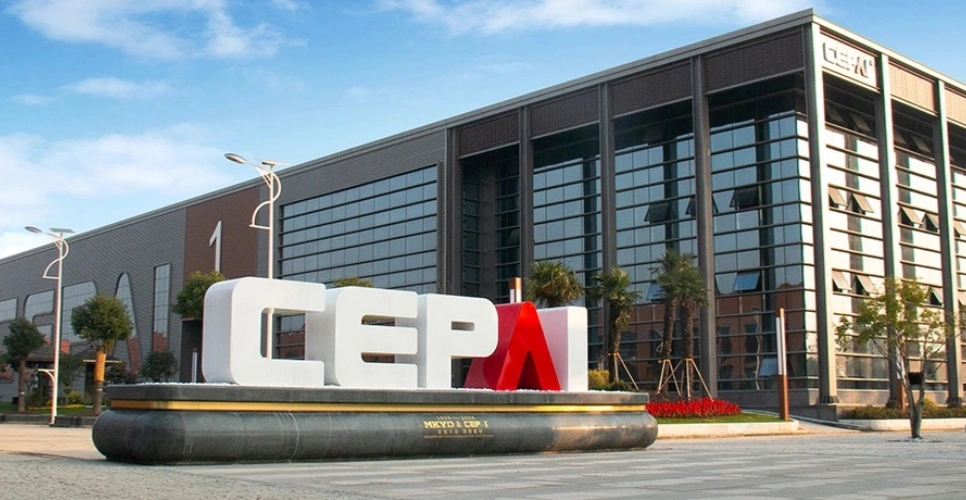
A Stainless Steel Electric Sleeve Control Valve requires controlled machining, accurate assembly, actuator matching, functional testing, and quality documentation. CEPAI Group Co., LTD. was established in January 2009 and is located at 333 Jianshe West Road, Jinhu Economic Development Zone, Jiangsu Province. The company has a registered capital of 200 million yuan and a total plant area of about 56,000 square meters. CEPAI is recognized as a national high-tech enterprise, a national specialized and special new “small giant” enterprise, a Jiangsu Smart Factory, a Jiangsu Internet benchmarking factory, and a Mayor Quality Award winner. For buyers, this manufacturing foundation matters because electric control valves require more than basic valve production; they need engineering review, precise fitting, actuator integration, inspection, and after-sales communication.
Certifications and Testing Capability
A Stainless Steel Electric Sleeve Control Valve is often selected for projects where quality systems and certificates are part of supplier qualification. CEPAI has obtained API Q1, API 6A, API 6D, API 16C, API 602, ISO 9001, ISO 14001, ISO 45001, ISO 3834, ISO 17025, CE, PR2, and other management system and product-related certificates within its broader manufacturing framework. Buyers should confirm which certificates apply to the exact valve order, but this qualification background supports procurement confidence. CEPAI also has a CNAS nationally recognized laboratory, strengthening inspection and testing capability. For project buyers, this can support material verification, hydrostatic testing, leakage testing, actuator functional testing, signal calibration, and final documentation review before shipment.
Engineering Resources and Market Experience
A Stainless Steel Electric Sleeve Control Valve performs best when the supplier can support application review, sizing calculation, trim selection, material matching, actuator configuration, and documentation planning. CEPAI has a Jiangsu Province-certified enterprise Technology Center, Jiangsu Province Fluid Control Engineering Technology Research Center, Jiangsu Province Industrial Design Center, Jiangsu Province High-Performance Fluid Control Device Engineering Research Center, Jiangsu Province Postdoctoral Innovation Practice Base, and a CNAS-recognized laboratory. CEPAI also has supplier qualifications with PetroChina, Sinopec, and CNOOC and serves markets connected with petrochemical, power, metallurgy, water treatment, and chemical engineering. This background makes CEPAI relevant for buyers seeking a project-specific control valve solution instead of a generic catalog valve.
How to Choose the Right Electric Sleeve Control Valve
Start with a Complete Technical Datasheet
A Stainless Steel Electric Sleeve Control Valve should be selected from a complete process datasheet rather than only pipe size. Buyers should provide medium name, fluid state, minimum flow, normal flow, maximum flow, inlet pressure, outlet pressure, pressure drop, temperature, density, viscosity, vapor pressure if applicable, pipe size, connection standard, leakage requirement, and control objective. Electrical information is equally important, including power supply, input signal, feedback signal, control mode, actuator speed, enclosure rating, and communication protocol, if required. CEPAI’s electric control valve product information gives a useful product starting point, but final selection should be based on real operating data. Complete information reduces quotation errors and helps manufacturers recommend the correct configuration.
Confirm Materials, Ratings, and Trim Design
A Stainless Steel Electric Sleeve Control Valve must be matched to the process medium, pressure rating, temperature range, and plant standards. Buyers should confirm the stainless steel grade for the body and bonnet, plus sleeve, plug, stem, seat, packing, gasket, and bolting materials. The valve pressure class, end connection, face-to-face dimension, test pressure, leakage class, and trim flow characteristic should also be reviewed. CEPAI’s background in regulating valves and industrial fluid-control equipment supports this kind of technical discussion. Buyers should request material certificates and test reports to verify compliance. A suitable trim design is important because the sleeve geometry affects flow capacity, controllability, and installed control behavior in the actual process line.
Evaluate Total Value, Not Only Initial Price
A Stainless Steel Electric Sleeve Control Valve should be evaluated based on total lifecycle value rather than the lowest purchase price. Important factors include correct sizing, stainless steel material traceability, actuator quality, control accuracy, testing scope, documentation completeness, packing quality, delivery reliability, warranty terms, and after-sales support. A quotation should clearly state what is included: valve body, electric actuator, position feedback, control accessories, drawings, certificates, test reports, manuals, and spare-parts recommendations. CEPAI integrates research, production, sales, and service, which supports buyers through selection, delivery, commissioning, and maintenance planning. For critical process systems, a well-documented and properly engineered valve package can save time during project approval and site startup.
Conclusion
A Stainless Steel Electric Sleeve Control Valve offers strong value in chemical, petrochemical, power, metallurgy, water treatment, utility, and selected oil and gas applications. Its main benefits include corrosion-resistant stainless steel construction, sleeve-guided flow regulation, electric actuator automation, control-system compatibility, and project-ready documentation. CEPAI’s electric control valve product information, manufacturing scale, certifications, engineering platforms, and CNAS-recognized laboratory make it a practical supplier for demanding industrial projects. Buyers should begin with the complete process and electrical data to ensure accurate sizing and configuration.
FAQ
Q1: What is a Stainless Steel Electric Sleeve Control Valve used for?
It regulates flow, pressure, temperature, or level in automated industrial systems.
Q2: Why choose electric actuation?
Electric actuation is useful where electronic control is preferred or instrument air is limited.
Q3: Why is stainless steel important?
Stainless steel improves corrosion resistance and durability for many industrial media.
Q4: What data is needed for sizing?
Flow, pressure, temperature, medium properties, pipe size, and control requirements are needed.
Q5: Can CEPAI provide project documents?
Yes. CEPAI can provide drawings, certificates, test reports, actuator data, manuals, and spare-parts lists.
Discuss Your Electric Sleeve Control Valve Needs Today
If you need a Stainless Steel Electric Sleeve Control Valve for a process-control project, CEPAI can help review your operating conditions and recommend a suitable valve package. Share your medium, flow range, inlet and outlet pressure, temperature, pipe size, stainless steel material requirements, electric actuator voltage, input signal, feedback signal, installation limits, and documentation standards. CEPAI’s experience in regulating valves, pipeline valves, wellhead equipment, instruments, manufacturing, and testing supports chemical, petrochemical, power, metallurgy, water treatment, and oil and gas applications. Contact cepai@cepai.com today for technical support, product information, or a quotation.

Get professional pre-sales technical consultation and valve selection services, customized solution services.
About CEPAI
Popular Blogs