Why Does a Lift Check Valve Improve Flow Control?
Flow direction stability is frequently taken for granted by engineers until reverse flow causes havoc in a system. One of the easiest and most reliable methods to prevent that from occurring is to use a Lift Check Valve. It is an automatic non-return valve. When the forward flow pressure raises the disk, piston, or poppet away from the seat, the valve opens. As soon as the flow slows down or stops, or tries to reverse, the valve shuts automatically. This article covers the benefits of a Lift Check Valve for enhanced flow control in wellhead assemblies, pipelines, pump discharge systems, and industrial process lines; how its mechanical design accomplishes this without external actuation; where it provides the most value; and what buyers must verify before specifying one for demanding service.
What a Lift Check Valve Does Inside a Flow System
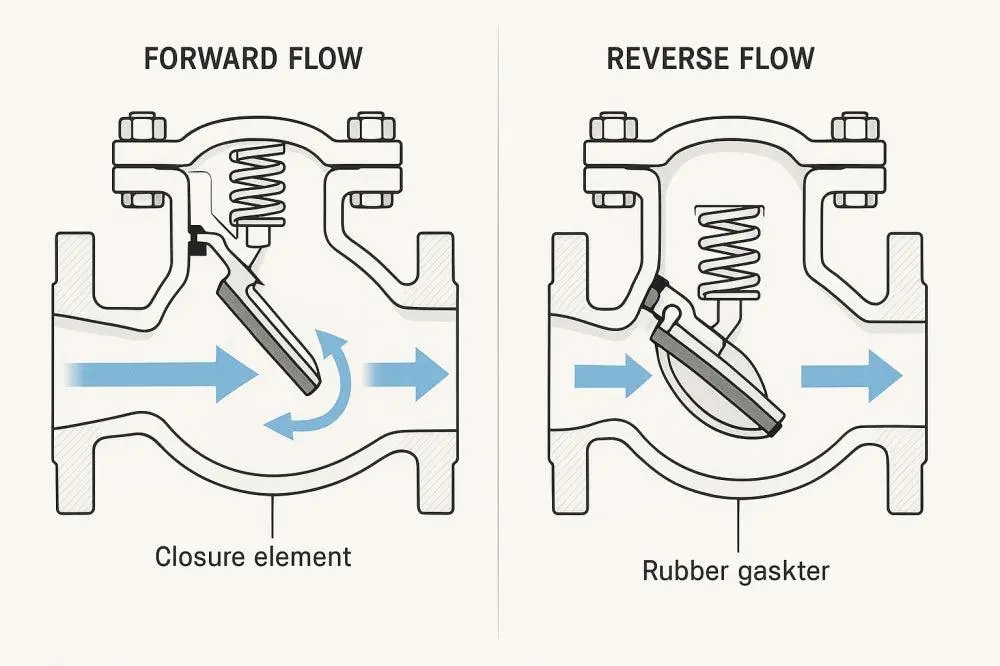
Before looking at where this valve is applied, it helps to understand exactly how it behaves mechanically within a live process line.
Automatic Opening and Closing Behavior
A raise Check Valve is a kind of non-return valve that opens automatically when the pressure of the forward flow is sufficient to raise the closing element, often a disk, piston, or poppet, away from the seat. That identical element returns to the seat under gravity or spring help to close the line against backflow as soon as flow slows, stops, or starts to reverse without any operator intervention or external control signal. What makes a Lift Check Valve different from a throttling valve is the automatic reaction. It is not meant to control the flow rate, but to ensure that the media flows in just one desired direction during the life of the system.
Why Reverse Flow Is a Problem Worth Preventing
The reverse flow causes an imbalance in the process, which is not always immediately visible. Unwanted backflow may upset pressure balance, impair flow measurement accuracy, and, in certain circumstances, harm upstream equipment not built to manage reversed pressure loading in pump discharge lines, injection systems, and wellhead assemblies. A Lift Check Valve immediately tackles this hazard by preventing any backward movement from propagating through the system and therefore assisting the overall operation in maintaining its intended flow pattern. The protective function is especially useful in systems where sensitive instruments, pumps, or compressors are located upstream and would otherwise be subjected to circumstances for which they were never intended.
Mechanical Simplicity as a Reliability Advantage
One of the things that makes a Lift Check Valve work is its mechanical simplicity. There are fewer components to fail than in an automated control valve, as it is powered by flow and not by an actuator, control signal, or external power source. The simple design minimizes the number of points of failure in the system, yet provides reliable non-return protection, and that is one reason it is still a popular option in wellhead and high-pressure applications where dependability in harsh environments is key. The trade-off is that the valve does one thing well, i.e., control of the direction, rather than the range of modulation of a specialized control valve.
| Characteristic | Lift Check Valve Behavior |
|---|---|
| Actuation | Flow-driven, no external power or control signal required |
| Function | Prevents reverse flow; not intended for throttling |
| Opening Trigger | Forward flow pressure lifting disc, piston, or poppet |
| Closing Trigger | Flow reduction, stoppage, or reversal |
How a Lift Check Valve Improves Flow Control in Practice
Beyond the basic non-return function, several specific mechanisms explain why this valve type contributes meaningfully to overall flow stability.
Maintaining Pressure Stability Across the System
A Lift Check Valve may assist in maintaining pressure stability by minimizing abrupt pressure decreases or spikes that would be generated by backflow reentering upstream parts of a line. Where numerous pumps or injection sites are connected to a common header, uncontrolled reverse flow from one branch may influence pressure conditions across the system. This inhibits this backward movement at the source, allowing the valve to maintain predictable and constant pressure conditions. This means other parts of the system may be controlled more accurately, and unanticipated disruptions are less likely to reverberate through associated equipment.
Protecting Upstream Equipment from Backflow Damage
Often, pumps, compressors, and equipment located upstream of a check point are susceptible to harm if subjected to reverse pressure or flow levels for which they were not intended. The Lift Check Valve is put at the proper location in the line as a precaution, in which case it closes in time to stop reverse flow from reaching critical equipment. This is particularly critical in pump discharge applications where the abrupt decrease of forward pressure, for example, during a pump trip, may cause the process medium to flow backward through the pump and cause mechanical damage or even cause the pump to rotate backward.
Supporting Accurate Process Measurement
For flow measurement to be accurate, the medium must flow through the metering equipment in one direction, and it must be predictable. A Lift Check Valve may help assure this by preventing reverse flow that would disrupt the meter readings. Allowing backflow to happen even for a short moment might lead to measurement inaccuracies, which can impact invoicing, process control, or regulatory reporting as the application dictates. In addition to the primary protective role, the valve also indirectly supports the overall instrumentation and control strategy of the system by maintaining a constant flow direction, which is an important part of overall data dependability.
Where a Lift Check Valve Delivers the Most Value
Certain applications depend particularly heavily on reliable non-return protection, making this valve type especially valuable in those settings.
Wellhead and Christmas Tree Assemblies
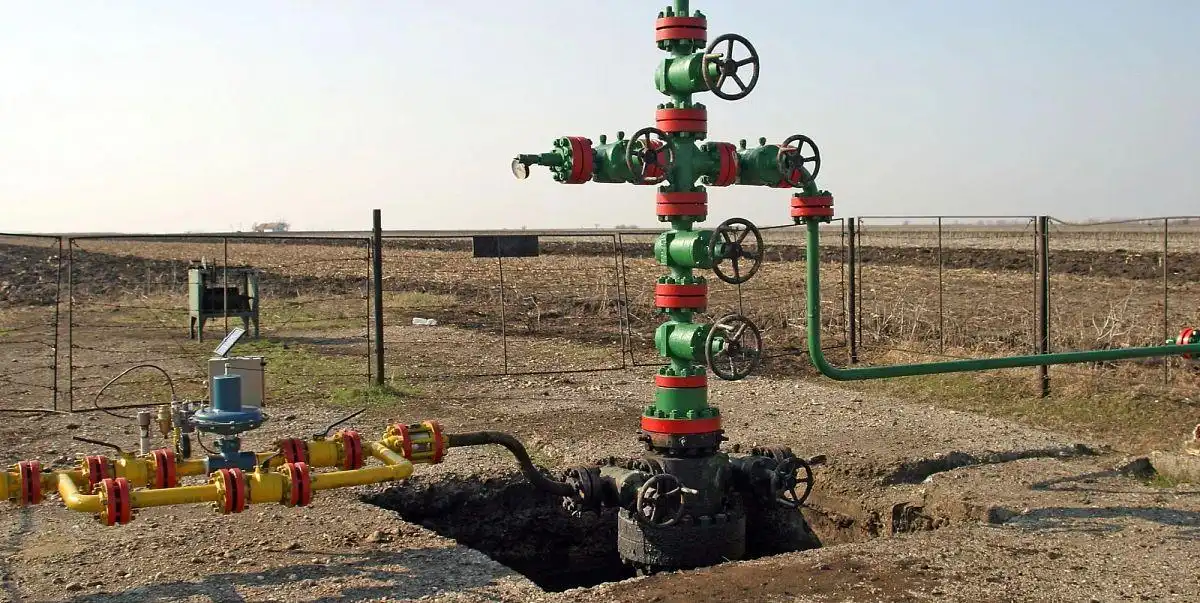
A Lift Check Valve in oil and gas production is often used in wellhead and Christmas tree equipment where pressure control and flow direction are crucial for safe operation. Lift check valves associated with API 6A are designed expressly for these high-pressure applications, offering reliable directional control in systems where an uncontrolled reverse flow event might have significant safety or equipment ramifications. The compact and mechanically simple design of a lift check valve provides a practical layer of safety, especially since wellhead systems often run under high pressure and carry precious process material that may be dangerous at times. The lift check valve does not add extra complexity to the assembly.
Pump Discharge and Injection Systems
Another popular use is in pump discharge lines and chemical injection systems. Here, a Lift Check Valve allows for forward flow but prevents backflow from reentering the pump or injection site if forward flow pressure declines. This protection is most necessary during pump shutdown or trip situations when reverse flow might harm the pump or compromise injection precision. For multi-pump or multi-injection-point systems, a check valve on each discharge point serves to isolate specific branches from pressure disturbances in other parts of the same system, enabling more stable operation overall.
Pipeline Sections and Process Skids
Lift Check Valves are a common feature at critical locations in pipeline systems and packed process skids where flow direction control is crucial to the integrity of the whole system. The valve in the pipeline sections that transport oil, gas, or water helps to maintain the desired flow pattern even under transitory situations such as pump changeovers or valve operations elsewhere in the network. For process skids that incorporate many pieces of equipment into a small package, a lift check valve offers a dependable, low-maintenance means to ensure proper flow direction between linked components without the need for extra control logic or actuation.
| Application Area | Primary Role of the Valve |
|---|---|
| Wellhead / Christmas Tree | Direction control in high-pressure production systems |
| Pump Discharge Lines | Prevents backflow damage during pump trips or shutdowns |
| Pipeline Sections | Maintains flow pattern through transient conditions |
Selecting the Right Lift Check Valve for Demanding Service
Because operating conditions vary widely, buyers should evaluate several factors before finalizing a valve selection for a specific project.
Pressure Class and API 6A Compliance
For oil and gas and wellhead applications, an essential first step is to verify that a Lift Check Valve fulfills the appropriate API 6A specification, which covers the pressure ratings, materials, and testing criteria typical of wellhead and production equipment. Buyers should confirm that the valve’s rated operating pressure, temperature class, and product specification level meet their application requirements before ordering. These applications also tend to have high-pressure kill and injection lines, so choosing a valve that has shown compliance with accepted industry norms offers an extra measure of confidence in consistent performance in demanding applications.
Material Selection for the Process Medium
The materials of construction of the body, disk, and seat of a Lift Check Valve should be compatible with the process medium and the anticipated operating environment. In applications involving corrosive fluids, high-pressure gas, or abrasive media, consistent performance over time may require specialized metal grades or toughened sealing surfaces. Before completing the technical datasheet, the planned process medium, anticipated pressure and temperature range, and any regulatory or project-specific material requirements should be discussed with the supplier to ensure the valve is specified adequately for the desired service life.
Installation Orientation and Sizing Considerations
Lift Check Valves are dependent on installation orientation since the design usually needs flow to come from below the seat for proper functioning, and installation orientation requirements should always be verified with the manufacturer prior to installation. Sizing should also be carefully assessed. An undersized valve may generate an excessive pressure drop at normal flow levels. An oversized valve may not react fast enough to changing flow conditions to offer adequate backflow prevention. It’s important to discuss these dimensions and orientation difficulties with an experienced supplier at the specification phase to minimize installation problems later in the project.
Conclusion
A Lift Check Valve provides automated removal of reverse flow, improving flow management. This protects upstream equipment and ensures pressure stability across wellhead, pipeline, and industrial process systems. CEPAI Group Co., LTD. is a Jiangsu-based national high-tech firm with API6A, API6D, API602, and ISO9001 certifications, providing wellhead devices and pipeline valves to PetroChina, Sinopec, CNOOC, and key industrial groups throughout the globe, with proven dependability in demanding service. For engineers and procurement teams, a practical step toward reliable direction control in high-pressure or safety-critical systems and longer-term operating confidence is to work with a proven, certified provider. Contact us at sales@cepai.com to discuss your project requirements or request a detailed technical quotation today.
FAQ
Q1: How does a Lift Check Valve differ from a throttling valve?
A: It is designed only to control flow direction, opening and closing automatically based on flow pressure, rather than modulating flow rate like a throttling valve.
Q2: Why is this valve type common in wellhead applications?
A: API 6A-related lift check valves provide dependable, high-pressure direction control suited to wellhead and Christmas tree equipment, where reliability is critical.
Q3: What happens if a pump trips without a check valve installed?
A: Reverse flow can potentially damage the pump or disrupt process pressure, which is why a check valve is often installed on discharge lines.
Q4: What should be confirmed before installing this valve?
A: Buyers should confirm pressure class, material compatibility with the process medium, and correct installation orientation with the supplier.
Q5: Does a Lift Check Valve require any external power or control signal?
A: No, it operates automatically based on flow pressure alone, without needing an actuator or control signal.

Get professional pre-sales technical consultation and valve selection services, customized solution services.

About CEPAI
Popular Blogs