Which Cast Steel Globe Valve Fits High-Pressure Service?
When line pressure increases, the valve selection is as much a safety decision as a technical one. You can count on the cast steel globe valve for high-pressure duty because it gives you a rugged pressure-bearing body combined with precision throttling and solid shut-off. But a cast steel globe valve may mean many things. It can mean bolted-bonnet types, pressure-seal types, and different materials, grades, and trims. This article discusses how the valve operates, which design features are vital at high pressure, how to match the valve to your application, and how to assure quality so you may choose the cast steel globe valve that fits your service.
How a Cast Steel Globe Valve Works Under High Pressure

The Globe Principle and Flow Path
A cast steel globe valve has a disc that glides up and down against a seat, which is horizontal inside a spherical body. The flow enters, reverses direction around the seat, and escapes via the outlet. As the disc moves straight towards and away from the seat, the opening changes gradually with stem position, providing precise flow control. The disc sits squarely too, so shut-off is secure. These two features, precise throttling and solid sealing, are what make the cast steel globe valve a common option for steam, feedwater, hydrocarbon and high-pressure utility lines.
Why Cast Steel Suits Demanding Duty
Cast steel has strong tensile strength and hardness and can be moulded into the thick, complicated forms needed for a globe body. A cast steel globe valve constructed from ASTM A216 WCB, WC6 or WC9 can handle high pressure, heat cycling and mechanical stresses from the piping. The chrome-moly grades retain their strength at increased temperatures, which is important for steam lines. Foundry quality is also important. Controlled melting, heat treatment, and non-destructive analysis of castings are all measures which assist in guaranteeing that the valve body is sound and has no faults that may develop into leak routes under pressure.
Stem, Bonnet and Packing Arrangements
Most designs use an outside screw and yoke with a rising stem, keeping the valve position visible and the threads out of the process fluid. For medium pressures, a bolted bonnet is standard; however, for extremely high pressures, a pressure-seal bonnet is recommended since the internal pressure pushes the sealing ring tighter as the pressure increases. Graphite packing and a rear seat provide a dependable stem seal. The characteristics allow the cast steel globe valve to retain its pressure boundary for extended service life and repeated cycles.
Key Features That Matter for High-Pressure Service

Pressure Class and Ratings
The first filter is pressure class. The cast steel globe valves for high-pressure use are often rated ASME Class 600, 900, 1500, or 2500. The allowed pressure decreases as the temperature increases; thus always consult the pressure-temperature relationship in ASME B16.34. If you ask for a price, please provide the design pressure and the maximum working temperature. A valve with a safe margin above peak conditions safeguards the plant during upsets, leading to a long and predictable service life for the cast steel globe valve.
| Class | Typical Application | Note |
|---|---|---|
| Class 300 | General process and utility lines | Moderate pressure |
| Class 600 | Oil, gas and steam headers | Common entry to high pressure |
| Class 900–1500 | Power and main steam, pipelines | Pressure-seal bonnets often used |
| Class 2500 | Severe high-pressure duty | Special design and testing |
Body Materials and Trim

Body material should be suitable for temperature and media. WCB is good for general service up to roughly 425 degrees Celsius. WC6 and WC9 are for higher temperature steam. LCB is for low-temperature lines. For erosive or high-velocity service, Trim often utilises 13Cr stainless steel with Stellite hard facing on the disc and seat. Proper trimming prevents wire pulling (damage to the sealing surfaces by high-pressure fluid passing a tiny aperture). A well-specified cast steel globe valve will hold its throttling precision and shut-off tightness for much longer.
Disc Design and Seat Construction
The form of the disc affects control and sealing. Plug-type discs are suitable for throttling and large pressure drops, standard ball discs are suitable for general duty, and composition discs are suitable for cleaner services at lower temperatures. Seats are body-integrated or renewable rings that are threaded or welded in place. High-pressure cast steel globe valve, welded-in, hard-faced seats for tough performance with renewable seats for simpler maintenance. Select the disc and seat combination based on the frequency of valve throttling, the fluid cleanliness, and required tightness of shut-off.
Matching the Valve to Your Application
Power Generation and Steam Systems

High-pressure steam, feedwater, and drain lines in power plants, where the cast steel globe valve offers reliable isolation and precision control of flow. Chrome-moly bodies, pressure-seal bonnets and hard-faced trim withstand extreme temperature and pressure cycles. Smaller globe valves are often used for bypass lines, warm-up lines and drain connections for slow pressurisation. Operators include a gear operator or electric actuator for remote operation of a cast steel globe valve to handle both starting processes and emergency shutdown sequences.
Oil, Gas and Refining
The cast steel globe valve is utilised in oil, gas and refining facilities for hydrocarbon lines, injection systems, sampling stations and utility headers. It is suitable for chemical injection, pressure letdown, and flow balancing and has throttling capacity. Tight shut-off safeguards equipment downstream. For sour service, utilise NACE MR0175 / ISO 15156 approved materials. For flammable fluids, consider fire-safe design. The cast steel globe valve is safe to operate in distant and severe field conditions by matching the class, body material and trim to the process.
Petrochemical, Metallurgy and Water Treatment
Globe valves are used in chemical plants for process feeds and steam tracing, in steel mills for gas, oil and cooling water systems and in water treatment plants for high pressure dosing and backwash lines. A cast steel globe valve may be equipped with stainless trim, longer stems, or bellows seals as needed by the environment. By standardising on one valve family across many departments, we can simplify spare parts and training, and provide plant managers a consistent, dependable option for isolation and control.
| Application | Suggested Specification | Key Reason |
|---|---|---|
| Main steam | WC6/WC9, Class 900–1500, pressure-seal | High temperature and pressure |
| Hydrocarbon lines | WCB, Class 600–900 | Strength and tight shut-off |
| Chemical injection | Stainless trim, Class 600 | Fine control and corrosion resistance |
| Utility and water | WCB, Class 300–600 | Economical, durable service |
Quality, Standards and Care
Standards and Testing
Quality, Standards and Care Standards and Testing Standards provide a consistent reference point to purchasers. API 623 – Steel Globe Valves, sizes above NPS 2. API 602 – Compact Steel Valves, smaller sizes. BS 1873 – Commonly used for Steel Globe Valves. ASME B16.34 – Pressure-Temperature Ratings. API 598 testing is comprised of shell and seat tests. Order test reports and material certifications with each cast steel globe valve you purchase. If your project calls for it, request third-party inspection as well. The documented findings provide compelling proof of integrity under high pressure.
Installation and Commissioning
Install the valve with the flow direction the same as the arrow on the body, generally beneath the disc unless the data sheet says otherwise. First, flush the pipeline to avoid debris damage to the seat. Support the pipe to reduce stress on the body. Tighten the flange bolts in a cross pattern. When commissioning, carefully pressurise and cycle the cast steel globe valve a number of times to ensure that it operates smoothly. Proper installation is a good start for the valve and avoids premature wear on the sealing surfaces.
Maintenance and Service Life
A cast steel globe valve will provide extended service with minimum maintenance. Check packing for seepage and adjust the gland gradually, lubricate the stem and yoke nut, and operate seldom-used valves occasionally. Inspect the seat and disc surfaces on scheduled shutdowns and lap or replace if leaking is detected. Maintain a record of each valve’s inspections and maintenance. This procedure lets you see trends early, schedule spares, and maintain the cast steel globe valve prepared for high-pressure operation.
Why Choose CEPAI for High-Pressure Valve Solutions
A Manufacturer with Strong Credentials
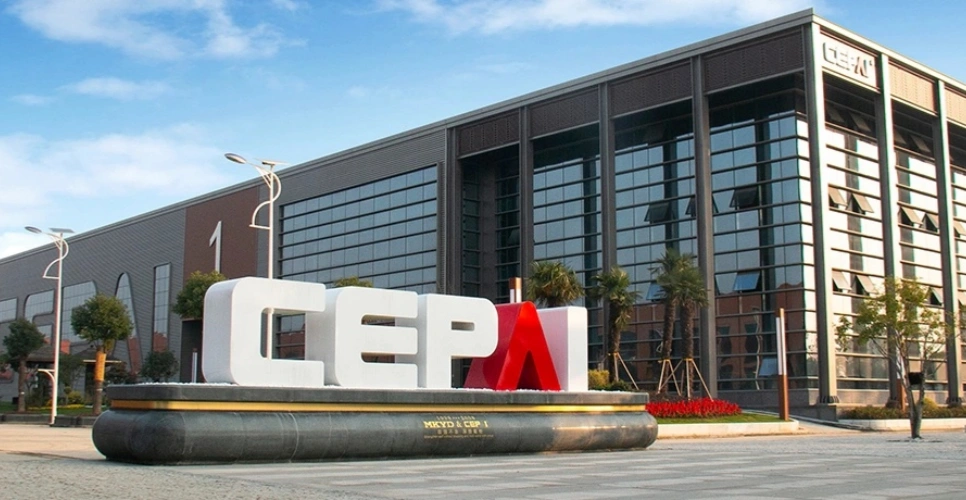
CEPAI Group Co., LTD. was established in January 2009 in Jinhu Economic Development Zone, Jiangsu Province, and is a national high-tech firm, a “specialized and special new small giant” enterprise. It has a 56,000 square metre factory and registered capital of 200 million yuan, producing wellhead devices, pipeline valves, wellhead valves, regulating valves, and instruments and meters for oil and gas drilling and production. It is also certified to API Q1, API 6A, API 6D, API 602, ISO 9001, ISO 14001, ISO 45001, and CE. CEPAI’s cast steel globe valve is a symbol of technical maturity and continuous excellence.
Technology Platforms and Testing Capability
CEPAI’s strength is backed by Jiangsu Province Fluid Control Engineering Technology Research Center, Jiangsu Province High-Performance Fluid Control Device Engineering Research Center, a provincial Industrial Design Center, and a CNAS nationally accredited laboratory. The platforms provide robust design validation and testing to ensure that each cast steel globe valve meets its specified standard. The firm is also a recipient of the Mayor Quality Award, Jiangsu Smart Factory, and Internet Benchmarking Factory.
Industry Chain Experience and Customer Trust
CEPAI is in the midstream of the valve industry chain, working with upstream suppliers of castings, forgings, seals and control components and supplying downstream petrochemical, power, metallurgy and water treatment customers. It has supplier qualifications with PetroChina, Sinopec and CNOOC and cooperates with organisations such as China Huaneng, Wanhua Chemical and Baowu Group. Its throttle valves and high-pressure double-disc check valves are field-tested. A CEPAI cast steel globe valve comes with practical expertise and prompt technical assistance.
Conclusion
The process of selecting the proper cast steel globe valve for high-pressure applications starts with pressure, temperature, and fluid. Then choose the proper pressure class, body material (WCB or chrome-moly steel), bonnet type suitable for the pressure, and a hard-faced trim to protect the seat during throttling. Match the design to your application, whether steam, hydrocarbons, or chemical injection, and request recognised standards, test records, and material certificates. Then the valve is put into operation by sound installation and regular maintenance, so that it may function for many years. So when the next high-pressure task comes along, give an experienced manufacturer a call and ask for an estimate appropriate to your needs.
FAQ
Why choose a cast steel globe valve for high pressure?
Its strong body, tight shut-off, and accurate throttling suit demanding pressure duty.
Which bonnet is best at very high pressure?
A pressure-seal bonnet, because rising pressure tightens the seal.
Which material suits high-temperature steam?
Chrome-moly grades such as WC6 and WC9 keep their strength at elevated temperatures.
Can a cast steel globe valve throttle flow?
Yes. Its disc and seat design gives fine, repeatable flow control.
Which standards apply?
API 623, API 602, BS 1873, ASME B16.34, and API 598 are widely used.

Get professional pre-sales technical consultation and valve selection services, customized solution services.
About CEPAI
Popular Blogs