When selecting a control valve, understanding flow characteristics represents the foundation of optimal process control performance. Flow characteristics define the relationship between valve position and flow rate, directly impacting system stability, energy efficiency, and operational precision. The three primary flow characteristics—linear, equal percentage, and quick opening—each serve distinct applications across industrial processes. Linear characteristics provide proportional flow changes ideal for liquid level control, while equal percentage characteristics excel in pressure and temperature regulation scenarios. Quick opening characteristics suit on-off applications requiring rapid response. Modern control valve selection demands careful analysis of process dynamics, fluid properties, and system requirements to achieve reliable automation performance.
Understanding Flow Characteristics of Control Valves
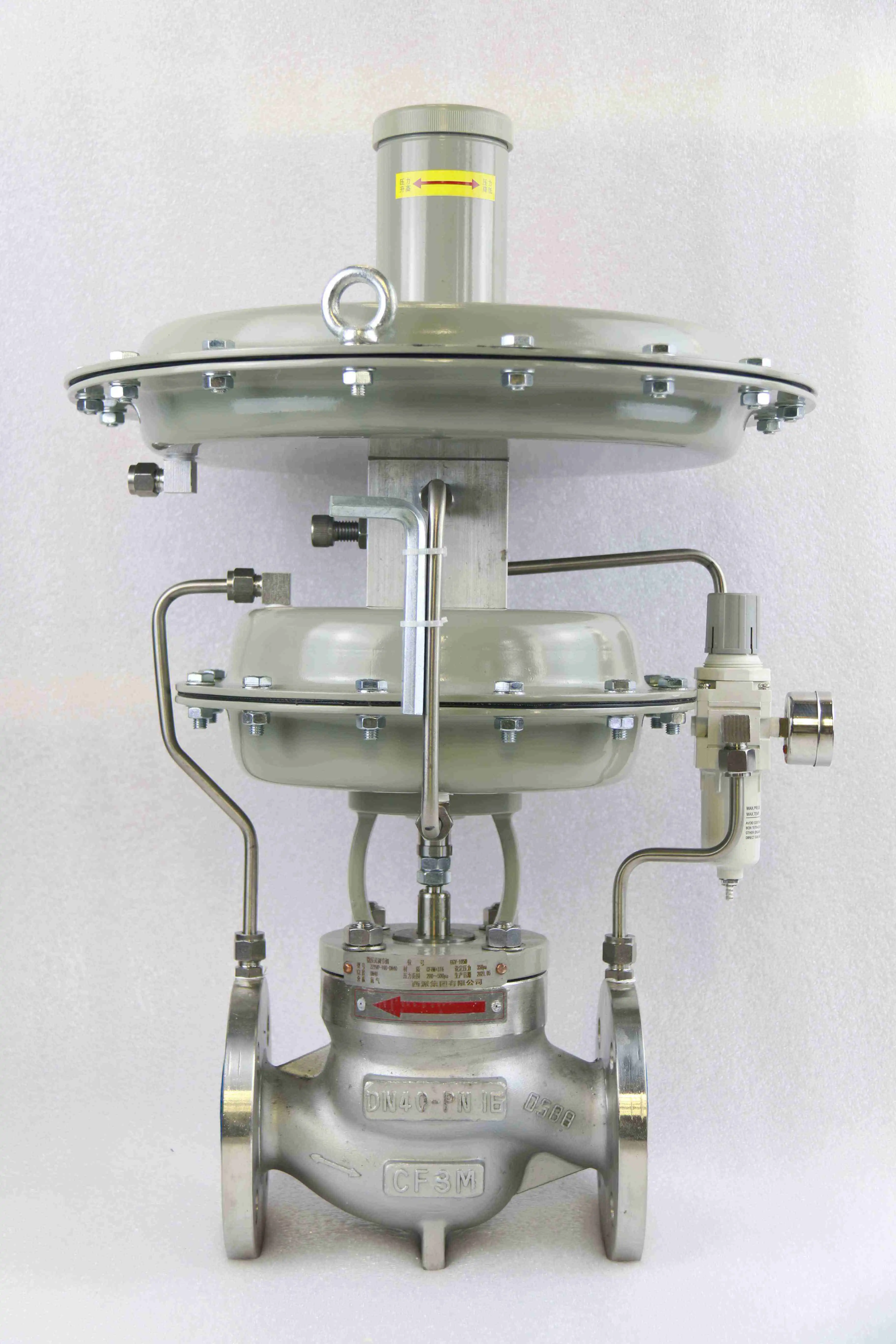
Flow characteristics fundamentally determine how a control valve responds to position changes, establishing the crucial link between actuator movement and process flow rate. These characteristics represent the mathematical relationship governing valve behavior under varying operating conditions. Linear flow characteristics generate proportional changes between valve opening and flow rate. When a valve moves from 20% to 40% open, the flow rate increases proportionally, making linear characteristics predictable and suitable for applications requiring consistent flow increments. Process engineers frequently specify linear characteristics for liquid level control systems where steady flow adjustments maintain optimal tank levels. Equal percentage characteristics produce flow changes proportional to the existing flow rate rather than valve position. This relationship means smaller flow increases occur at lower valve positions, while larger increases happen at higher positions. The exponential nature of equal percentage flow makes these valves excellent for pressure control applications where small adjustments at low flows prevent system instability, while larger adjustments at higher flows provide responsive control. Quick opening characteristics deliver maximum flow change during initial valve movement, typically achieving 90% of maximum flow within the first 30% of valve travel. This rapid response suits applications requiring fast on-off operation rather than precise throttling control. The selection process demands understanding system dynamics and control objectives. CEPAI's electric low-temperature control valves feature both equal percentage and linear characteristics, accommodating diverse process requirements across gas, water, and oil applications. These valves operate effectively in temperature ranges from -60°C to -20°C, supporting critical low-temperature processes in petrochemical and energy sectors.
Key Factors Affecting Control Valve Flow Characteristics
Multiple technical parameters influence control valve flow behavior, requiring comprehensive analysis during valve selection. Understanding these factors enables engineers to predict valve performance accurately and optimize system control. Valve trim design directly impacts flow characteristics through internal geometry modifications. Cage-style trims allow precise flow pattern control by varying port sizes and configurations. Single-seat globe valve trims provide tight shutoff capabilities with linear flow characteristics, while balanced plug designs reduce actuator requirements in high-pressure applications. CEPAI's pressure balance spool design minimizes actuator sizing requirements while maintaining precise flow control across varying pressure differentials. Flow coefficient (Cv) quantifies valve capacity under standard conditions, representing flow rate in gallons per minute through a fully open valve with one PSI pressure drop. Proper Cv selection ensures valves operate within optimal control ranges, typically between 20% and 80% open positions. Oversized valves operate near closed positions, reducing control precision, while undersized valves approach full opening, limiting control authority. Fluid properties significantly affect actual flow characteristics compared to theoretical curves. Viscous fluids alter flow patterns, potentially shifting equal percentage characteristics toward linear behavior. Temperature variations change fluid density and viscosity, requiring compensation in valve sizing calculations. CEPAI's control valves accommodate gas, water, and oil applications, with materials including 304, 316, and 316L stainless steel variants providing chemical compatibility across diverse process fluids. Pressure recovery and cavitation phenomena modify flow characteristics in liquid applications. High recovery valves experience greater pressure recovery downstream, increasing cavitation potential and noise generation. Valve design features such as staged pressure reduction and anti-cavitation trims help maintain intended flow characteristics under challenging operating conditions.
How to Evaluate Flow Characteristics for Your Specific Application?
Systematic evaluation of flow characteristics begins with comprehensive process analysis and control objective definition. This methodical approach ensures valve selection aligns with operational requirements and performance expectations. Process dynamics analysis reveals system time constants and disturbance patterns affecting control performance. Fast processes with rapid load changes often benefit from equal percentage characteristics, which provide fine control at low flows and responsive adjustment capability at higher flows. Slower processes with gradual disturbances may perform adequately with linear characteristics offering predictable, proportional responses. Control loop analysis examines the relationship between valve flow characteristics and overall system stability. The combination of process characteristics, controller tuning, and valve flow behavior determines control performance. Equal percentage valves provide relatively constant loop gain across operating ranges, simplifying controller tuning and improving stability margins. Linear valves may require gain scheduling or adaptive control strategies when operating across wide flow ranges. Here are the critical evaluation parameters for flow characteristic selection:
- Turndown Ratio Requirements: Equal percentage characteristics excel in applications requiring wide turndown ratios, maintaining controllability across flow ranges from 5% to 100%. The logarithmic relationship ensures adequate resolution at low flows while preventing excessive sensitivity at high flows. CEPAI's electric control valves feature nominal diameters from DN15 to DN400, supporting diverse turndown requirements across process scales.
- Process Disturbance Patterns: Applications experiencing frequent load disturbances benefit from equal percentage characteristics providing proportional response to disturbance magnitude. Linear characteristics suit applications with consistent disturbance patterns where proportional valve response matches process requirements. The 4-20mA control signals used in CEPAI valves ensure precise response to controller output variations.
- Pressure Drop Considerations: High pressure drop applications may experience flow characteristic distortion due to choked flow conditions. Valve sizing must account for these effects, potentially requiring larger valve sizes to maintain intended characteristics. CEPAI's pressure ratings of PN16, 40, and 64 (ANSI 150, 300, 600) accommodate diverse pressure requirements while maintaining flow characteristic integrity.
These evaluation parameters work together to guide optimal valve selection, ensuring flow characteristics match application demands while maintaining reliable control performance throughout the operating envelope.
Optimizing Valve Selection with Flow Characteristic Considerations
Optimization of valve selection requires integrating flow characteristics with broader system requirements, including actuator sizing, material compatibility, and maintenance considerations. This comprehensive approach maximizes long-term performance and operational reliability. Actuator sizing calculations must account for flow characteristics and their impact on control forces. Equal percentage valves typically require larger actuators due to higher forces at full opening positions, while linear valves distribute forces more evenly across travel ranges. CEPAI's electric actuators operate on 220V or 380V power supplies, providing reliable positioning with 4-20mA control signals and optional position feedback for closed-loop control verification. Installation configuration affects actual flow characteristics through piping layout and fitting selections. Straight pipe runs upstream and downstream of valves help maintain theoretical flow characteristics by minimizing flow disturbances. Reducers, elbows, and other fittings near valve installations can alter flow patterns, potentially shifting characteristics from design intentions. Smart valve technologies enhance flow characteristic optimization through real-time performance monitoring and adaptive control capabilities. Digital positioners provide precise valve positioning regardless of supply pressure variations or stem friction changes. These devices maintain flow characteristics accuracy over extended service periods, compensating for wear and environmental effects that traditionally degraded valve performance. Maintenance strategies should consider flow characteristic degradation over time. Seat wear, stem packing friction changes, and actuator performance variations can shift actual characteristics away from design specifications. Regular calibration and performance testing help maintain intended flow behavior throughout valve service life. CEPAI's bolt pressing gland design and flexible graphite packing minimize friction variations while providing reliable sealing performance in low-temperature applications.
Conclusion
Understanding Control Valve flow characteristics represents a fundamental aspect of successful control valve selection, directly impacting process control performance, energy efficiency, and operational reliability. The relationship between valve position and flow rate determines how effectively your system responds to process disturbances and maintains optimal operating conditions. Linear, equal percentage, and quick opening characteristics each serve specific applications, requiring careful evaluation of process dynamics, control objectives, and operating conditions. Modern valve technologies and intelligent manufacturing capabilities continue advancing flow control precision while simplifying installation and maintenance requirements. Partnering with experienced manufacturers ensures access to technical expertise, quality products, and comprehensive support throughout the valve lifecycle.
Partner with CEPAI for Superior Control Valve Solutions
Selecting the optimal flow characteristics for your control valve applications requires expertise, quality manufacturing, and reliable technical support. CEPAI stands as a leading control valve manufacturer, combining advanced engineering capabilities with proven manufacturing excellence to deliver superior flow control solutions.
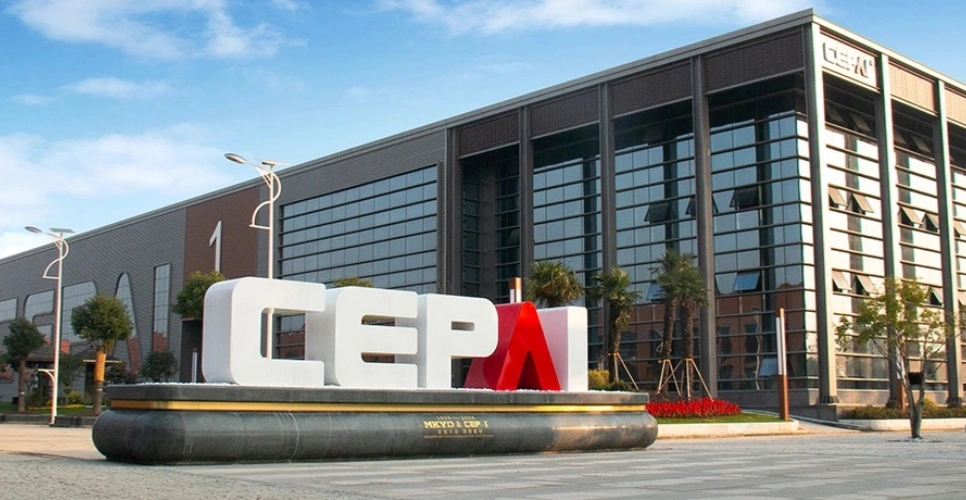
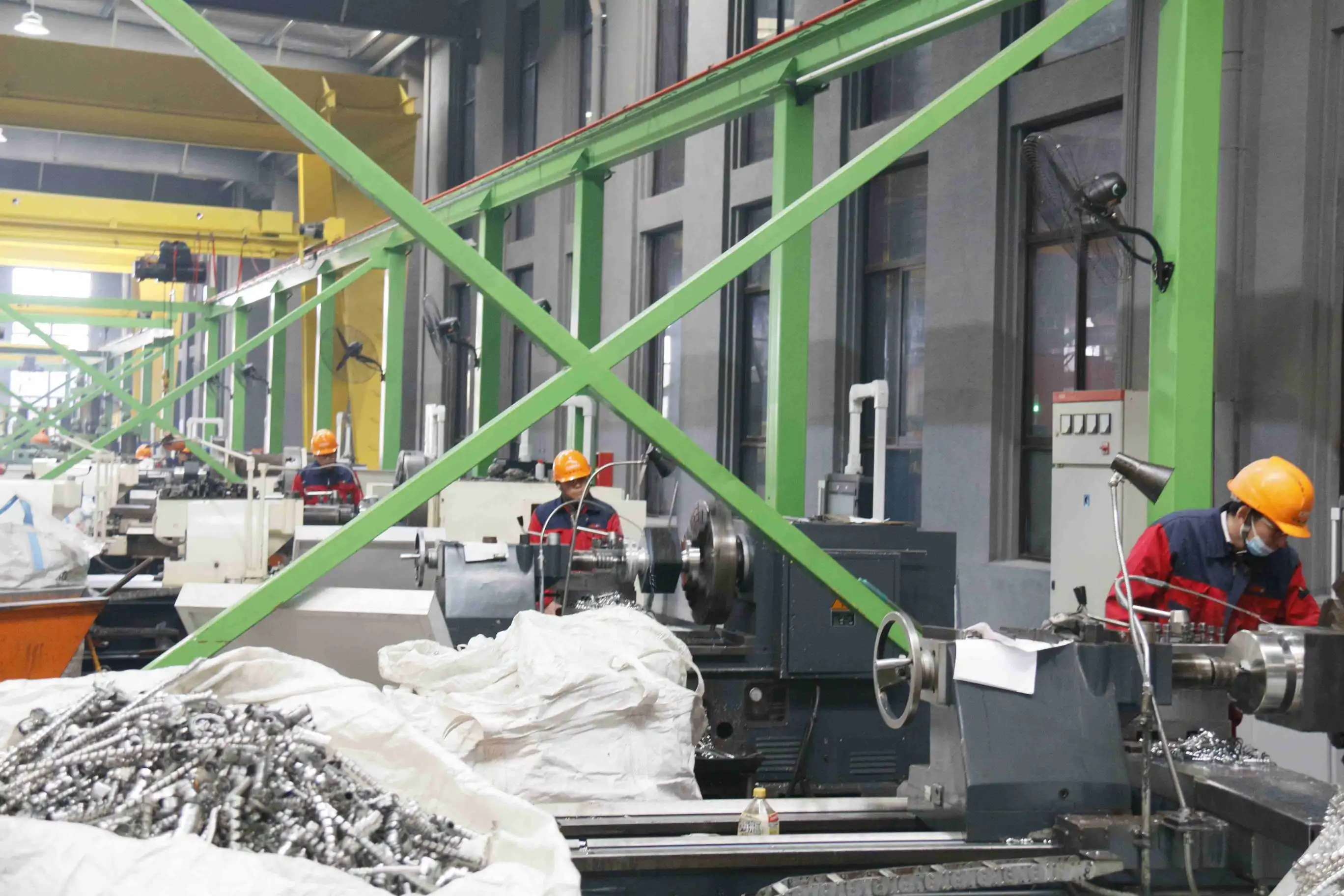
Our comprehensive product portfolio includes electric and pneumatic control valves featuring both linear and equal percentage flow characteristics. These valves accommodate diverse applications across petrochemical, power generation, and industrial processing sectors. The intelligent manufacturing capabilities at our 56,000 square meter facility ensure consistent quality and precision in every valve produced. Our investment of 156 million yuan in intelligent manufacturing technology has created the Asia Pacific region's longest high-precision flexible production line, delivering exceptional product quality and reliability.
CEPAI's technical expertise extends beyond product manufacturing to comprehensive application support. Our certified engineering team provides valve sizing assistance, flow characteristic selection guidance, and system optimization recommendations. The combination of our API, ISO, and CE certifications demonstrates our commitment to international quality standards and customer satisfaction. When you need a trusted control valve supplier for critical applications, our technical team stands ready to support your project success.
Take advantage of our extensive experience in control valve applications and contact us at cepai@cepai.com for personalized technical consultation and product recommendations. Our team will analyze your specific flow characteristic requirements and recommend optimal valve solutions that enhance your process control performance and operational reliability.
Frequently Asked Questions
Q1: What is the difference between equal percentage and linear flow characteristics?
A: Equal percentage characteristics provide flow changes proportional to existing flow rate, offering fine control at low flows and responsive adjustment at high flows. Linear characteristics produce flow changes proportional to valve position, delivering consistent incremental adjustments across the operating range. Equal percentage valves excel in pressure and temperature control applications, while linear valves suit level control and flow measurement applications requiring predictable responses.
Q2: How do I know which flow characteristic is best for high-pressure applications?
A: High-pressure applications typically benefit from equal percentage characteristics due to their superior controllability across wide operating ranges and reduced sensitivity to pressure variations. The logarithmic flow relationship maintains stable control loop gain, simplifying controller tuning and improving system stability. However, specific selection depends on process dynamics, control objectives, and pressure drop relationships requiring detailed engineering analysis.
Q3: Can control valve flow characteristics be altered after installation?
A: Flow characteristics are determined by internal valve trim geometry and cannot be altered without trim replacement. However, control system modifications such as signal characterization or nonlinear controller algorithms can modify effective system characteristics. Digital positioners with characterization capabilities offer some flexibility in adjusting valve response, but significant changes require mechanical trim modifications or valve replacement.
References
1. Fisher, E.R. "Control Valve Selection and Sizing Guidelines." Process Control Engineering Journal, vol. 45, no. 3, 2023, pp. 78-92.
2. International Society of Automation. "Flow Characteristics and Control Valve Performance." ISA Technical Publication ISA-75.01.01, 2022.
3. Thompson, M.J., and Williams, K.L. "Impact of Flow Characteristics on Process Control Stability." Chemical Engineering Progress, vol. 119, no. 8, 2023, pp. 45-51.
4. American Petroleum Institute. "Control Valve Standards and Flow Characteristic Guidelines." API Standard 623, 3rd ed., 2023.
5. Chen, L., and Rodriguez, P. "Modern Control Valve Design and Flow Optimization Techniques." Industrial Automation Review, vol. 28, no. 12, 2022, pp. 134-148.
6. European Committee for Standardization. "Process Control Valves - Flow Characteristics and Selection Criteria." EN 12266-2:2023, Brussels: CEN, 2023.
_1745994738000.webp)