Valves in Petroleum Refining Processes: The “Throat” of Fluid Control and the Safety Barrier
The petroleum refining industry is an important part of the energy and petrochemical value chain, connecting crude oil processing with the production of petrochemical products. From crude oil pretreatment and atmospheric & vacuum distillation to catalytic cracking, hydrocracking, and product refining, valves are essential components in almost every key process.
In refining plants, valves not only perform basic fluid control functions such as opening, closing, regulating, and diverting flow, but also serve as critical safety protection equipment.
Compared with ordinary industrial valves, petroleum refining valves must operate under extremely demanding conditions, including:
- High temperature
- High pressure
- Highly corrosive media
- Flammable and explosive fluids
- Toxic and hazardous substances
- Long-term continuous operation requirements
Therefore, refining valves require higher standards in terms of material selection, sealing performance, structural design, and operational reliability.
Proper selection and maintenance of petroleum refining valves are essential for ensuring safe operation, reducing maintenance costs, and improving production efficiency.
Special Requirements of Petroleum Refining Processes for Valves
Stable Operation Under High Temperature and High Pressure Conditions
Different refining units involve significant variations in temperature and pressure.
For example:
Atmospheric and vacuum distillation units involve high-temperature crude oil processing;
Hydrocracking units operate under high-pressure hydrogen environments;
LNG and cryogenic storage systems may involve extremely low temperatures down to -196℃.
Therefore, refining valves need to be selected according to actual operating conditions, including:
- Carbon steel materials
- Alloy steel materials
- Stainless steel materials
- Special corrosion-resistant alloy materials
to ensure reliable sealing and stable operation under extreme conditions.
Corrosion Resistance and Leakage Prevention in Complex Media
Petroleum refining processes involve various types of fluids, including:
- Crude oil
- Natural gas
- Steam
- Heavy oil
- Acid gases
- Sulfur-containing media
- Catalyst-containing fluids
Among them, acidic environments containing H₂S and CO₂ may cause material corrosion and sulfide stress cracking.
Therefore, refining valves used in these conditions usually require:
- Materials compliant with NACE MR0103 standards
- Resistance to sulfide stress cracking
- High-performance sealing structures
to ensure long-term operational safety.
High Reliability for Continuous Production
Petroleum refining plants usually operate continuously.
Failure of critical valves, such as:
- Internal leakage
- External leakage
- Valve sticking
- Actuator failure
may lead to:
- Plant shutdown
- Energy waste
- Safety accidents
- Economic losses
Therefore, refining valves must have:
- Excellent sealing performance
- Long service life
- Fast response capability
- Easy maintenance features
Common Types of Valves Used in Petroleum Refining Processes
Different refining processes require different valve functions.
Common petroleum refining valves include:
- Gate Valve
- Ball Valve
- Globe Valve
- Butterfly Valve
- Check Valve
- Safety Valve
- Control Valve
Special high-temperature and high-pressure valves
Gate Valve: The Fundamental Valve for Refining Pipeline Isolation
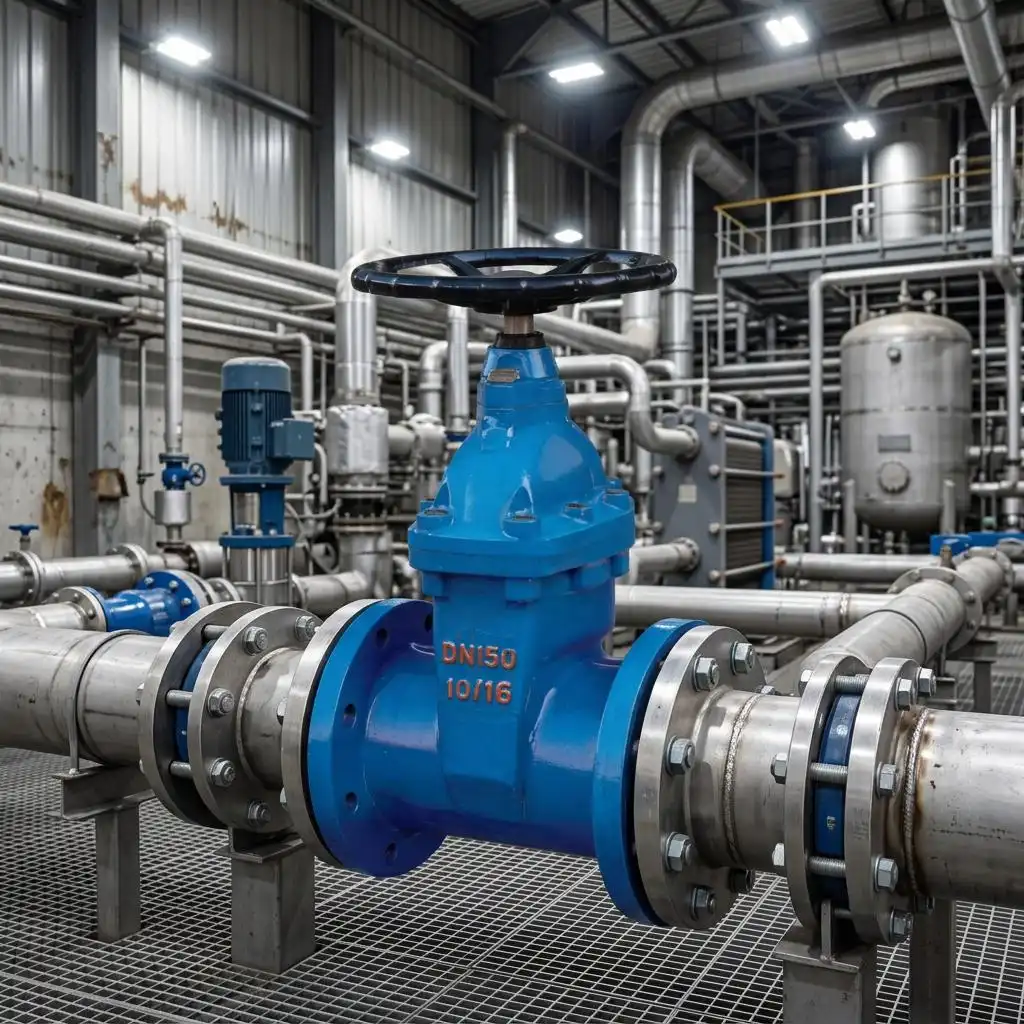
Gate valves are one of the most widely used valve types in petroleum refining industries. They are mainly used for:
Pipeline shut-off
Equipment isolation
Fluid transportation control
Main advantages:
- Low flow resistance
- Reliable sealing performance
- Suitable for large-diameter pipelines
- Low pressure loss during operation
Typical Applications of Gate Valves in Refining:
- Crude oil transportation pipelines
- Storage tank inlet and outlet lines
- Process main pipelines
High-temperature and high-pressure equipment isolation
Common structures include:
- Wedge gate valves
- Resilient seated gate valves
- Pressure seal gate valves
- Cryogenic gate valves
Ball Valve: Core Equipment for Fast Shut-off and Reliable Sealing
Ball valves are widely used in petroleum, natural gas, and refining industries due to their:
- Fast operation
- Bi-directional sealing capability
- Low flow resistance
- High automation compatibility
Main Applications of Ball Valves:
High-pressure Hydrogen Service Units
Commonly use:
Trunnion mounted ball valves
Metal seated ball valves
Suitable for:
- High pressure
- High temperature
- Hydrogen environments
-
Delayed Coking Units
Four-way ball valves and plug valves are mainly used for:
- Coke drum switching
- High-temperature media switching
Media Containing Solid Particles
- Applications require:
- Hard-seated ball valves
- Wear-resistant ball valves
to improve erosion resistance.
Butterfly Valve: An Economical Flow Control Solution for Large Refining Systems
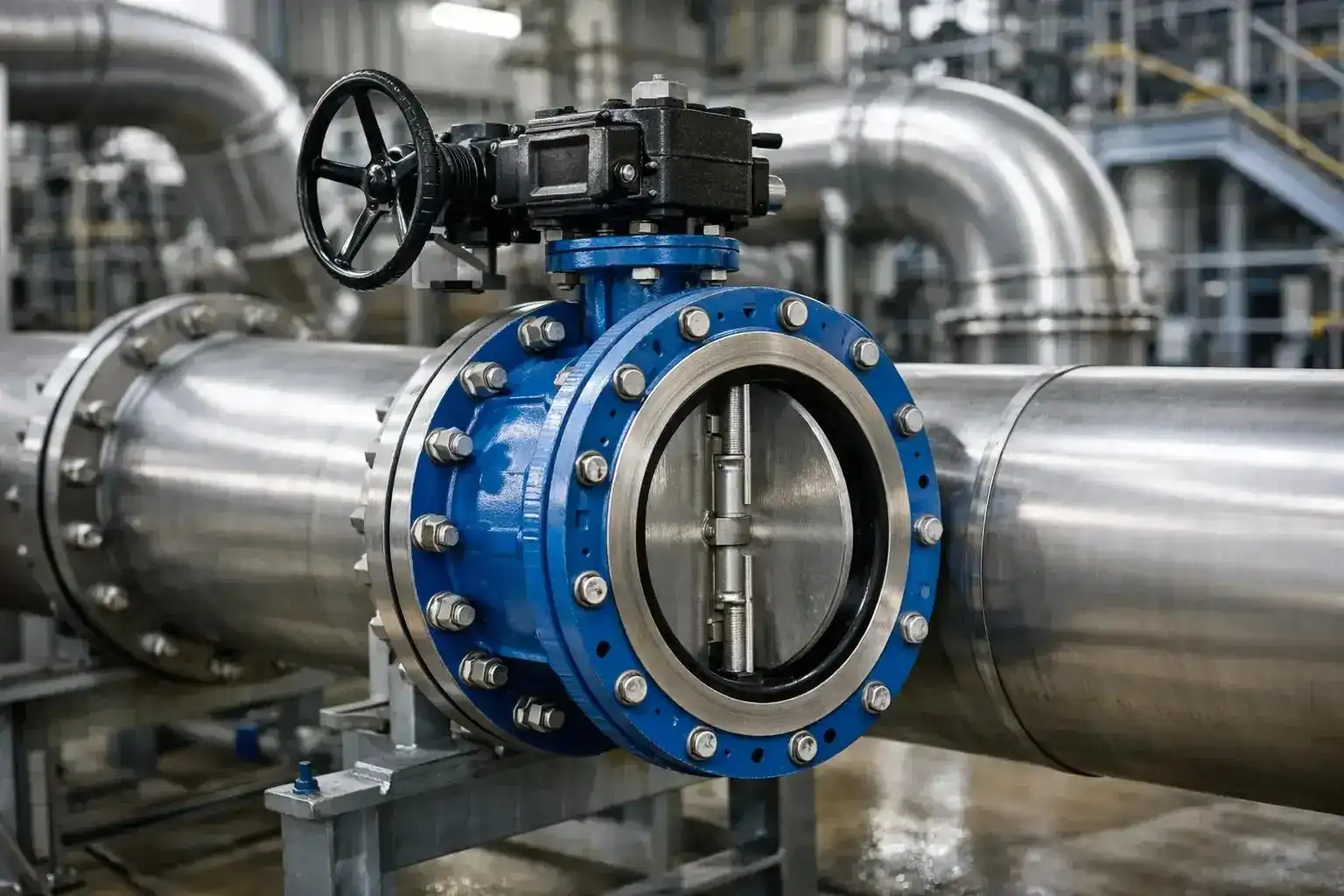
Butterfly valves offer advantages including:
Simple structure
Lightweight design
Cost advantages for large-diameter pipelines
They are widely used in:
Flue gas systems
Large pipelines
Air systems
Steam systems
Common Butterfly Valves in Refining Industries:
Triple Offset Metal Seated Butterfly Valve
Features:
High temperature resistance
Excellent sealing performance
Long service life
Applications:
High-temperature steam systems
Flue gas systems
Process isolation
High Temperature Lined Butterfly Valve
Suitable for:
Fluid catalytic cracking (FCC) units
Catalyst circulation systems
Globe Valve: Selection for Applications Requiring Regulation Control
Compared with gate valves, globe valves provide better flow regulation capability.
Main applications:
Bypass control lines
Small-diameter process pipelines
LPG transportation systems
For hazardous media:
Commonly used:
Bellows sealed globe valves
to reduce external leakage risks.
Control Valve: Precise Flow and Pressure Regulation Equipment
Control valves are important components in refining automation systems.
They are mainly used for:
Flow regulation
Pressure control
Temperature control
Common types include:
- Control ball valves
- Pneumatic control valves
- Electric control valves
- Single-seat control valves
Applications:
- Distillation columns
- Reaction systems
- Heat exchange systems
Safety Valve: The Important Safety Barrier of Refining Systems
The main function of a safety valve is:
When system pressure exceeds the preset value, the valve automatically opens to release pressure.
Applications:
Pressure vessels
Storage tanks
Reactors
Distillation columns
Safety valves require:
Regular testing
Accurate pressure setting
Reliable operation
Key Factors for Selecting Petroleum Refining Valves
Selecting Valve Materials According to Media Characteristics
During valve selection, the following factors must be considered:
Media type
Corrosion level
Presence of solid particles
H₂S content
For sulfur-containing media:
Recommended materials:
- 316L stainless steel
- Inconel alloys
- NACE-compliant materials
For particle-containing media:
Recommended:
- Hard sealing structures
- Wear-resistant materials
Selecting Valve Ratings According to Pressure and Temperature
Petroleum refining valves are usually selected according to:
ASME Class pressure ratings
PN pressure ratings
Operating temperature
Common pressure classes:
- Class 150
- Class 300
- Class 600
- Class 900
- Class 1500
High-pressure applications usually require:
Forged steel valves
Pressure seal valve structures
Selecting Valve Types According to Functional Requirements
| Process Requirement | Recommended Valve |
|---|---|
| Pipeline isolation | Gate Valve, Ball Valve |
| Fast shut-off | Ball Valve |
| Flow regulation | Control Valve, V-Type Ball Valve |
| Prevent backflow | Check Valve |
| Overpressure protection | Safety Valve |
Selecting Valves According to Industry Standards
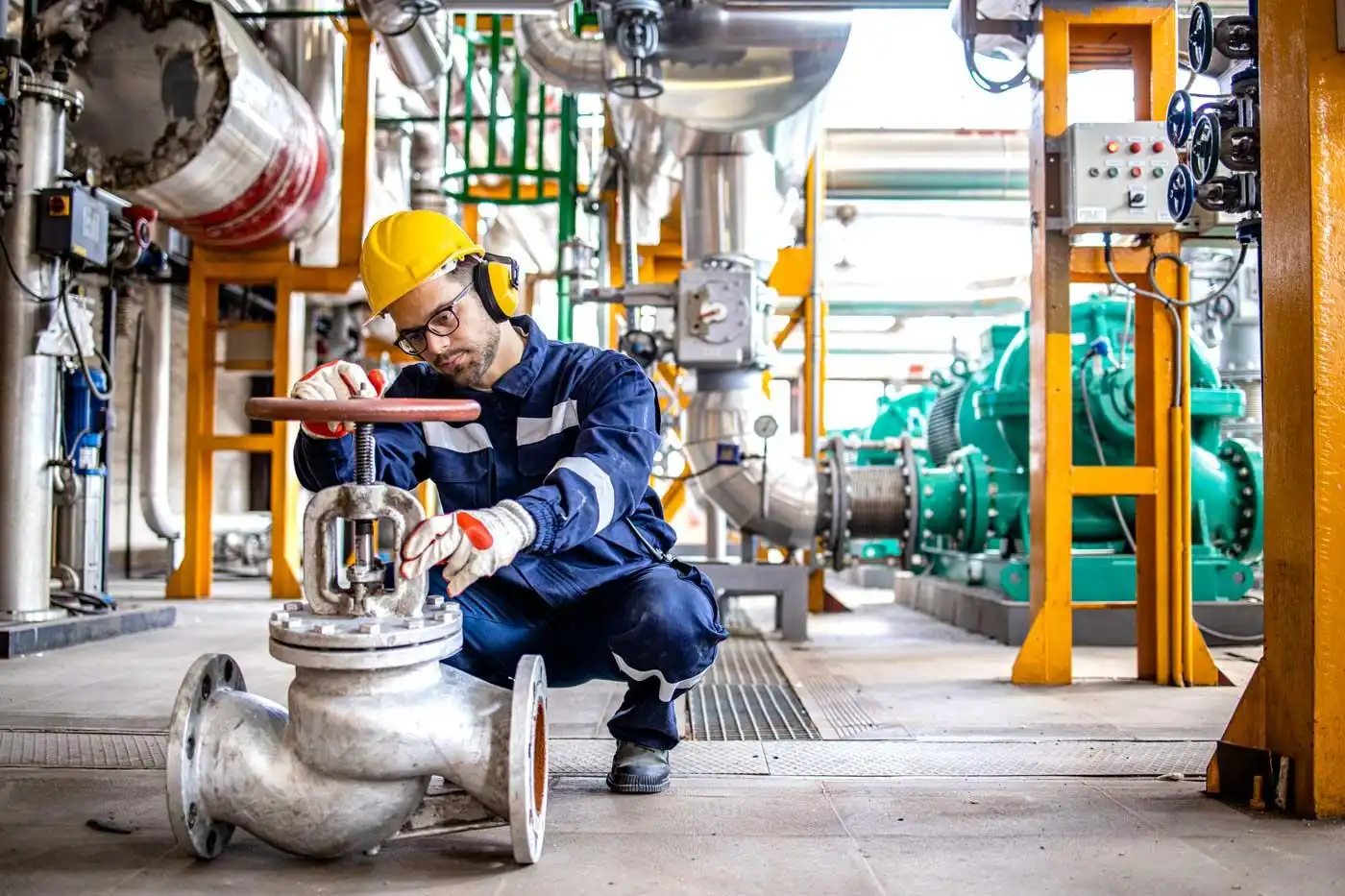
Common standards for petroleum refining valves include:
API 6D
API 600
API 602
API 607
API 598
ASME B16.34
ASME B16.5
NACE MR0103
These standards ensure:
Reliable valve design
Standardized testing
International project acceptance
Common Failures and Maintenance Methods of Refining Valves
Valve Leakage
Main causes:
Damaged sealing surfaces
Aging packing
Improper installation
Solutions:
Replace sealing components
Repair sealing surfaces
Adjust packing structures
Valve Sticking
Causes:
Foreign particles
Corrosion
Insufficient lubrication
Solutions:
Clean internal components
Improve lubrication
Optimize material selection
Actuator Failure
Common problems:
Cylinder damage
Spring failure
Motor failure
Solutions:
Regular inspection
Replacement of key components
Future Development Trends of Petroleum Refining Valves
With the development of the refining industry toward:
Digitalization
Automation
Intelligence
future valves will focus more on:
Smart Valves
Through:
Smart positioners
Condition monitoring
Remote control
valves can achieve predictive maintenance.
Advanced High-Performance Materials
For extreme conditions such as:
High temperature
High pressure
Corrosion
future valves will increasingly use:
- Nickel-based alloys
- Super stainless steels
- Advanced coating materials
Stricter Environmental Requirements
- Future refining valves need to meet:
- Low emission requirements
- VOC control standards
- Higher safety regulations
Conclusion: Valves Are Essential for Safe Operation of Petroleum Refining Systems
Valves in petroleum refining systems are not simply fluid control devices. They are critical components connecting production efficiency and operational safety.
From gate valves and ball valves to control valves and safety valves, each valve type performs a specific role in refining processes.
Through proper selection, professional installation, and scientific maintenance, high-performance refining valves can help companies achieve:
- Stable production
- Reduced maintenance costs
- Improved energy efficiency
- Enhanced operational safety
With the continuous development of the petroleum and petrochemical industries toward intelligent and highly reliable operations, advanced valve technologies will play an increasingly important role in refining applications.
FAQ
1. What types of valves are commonly used in petroleum refining plants?
Common valves used in petroleum refining plants include gate valves, ball valves, globe valves, butterfly valves, check valves, safety valves, and control valves. Different valves are selected according to process requirements, pressure, temperature, and media characteristics.
2. How to select the right valve for petroleum refining applications?
Valve selection should consider factors such as medium characteristics, pressure, temperature, valve function, material requirements, and industry standards to ensure safe and reliable operation.
3. What standards are required for petroleum refining valves?
Common standards for petroleum refining valves include API 6D, API 600, API 602, API 607, API 598, ASME B16.34, ASME B16.5, and NACE MR0103, which ensure valve quality, safety, and reliability.

Get professional pre-sales technical consultation and valve selection services, customized solution services.

About CEPAI
Popular Blogs