Top Benefits and Uses of Vortex Precession Flowmeters
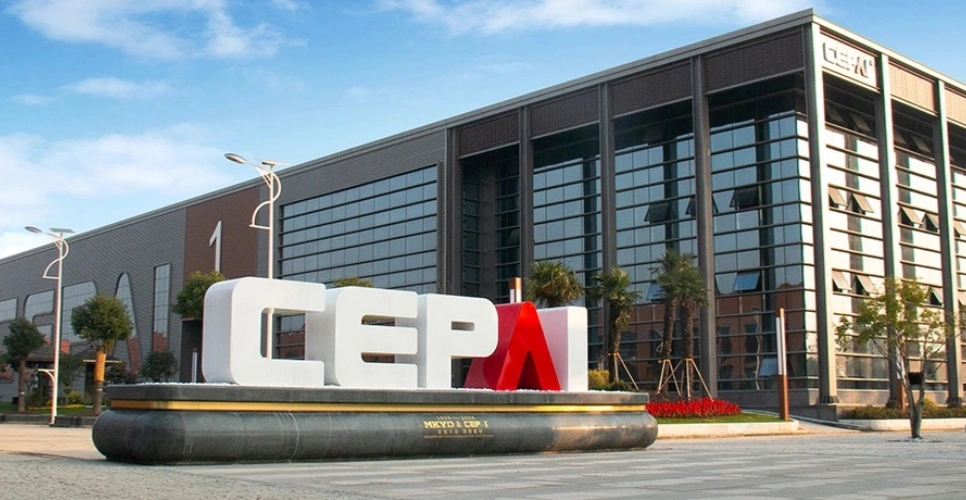
For standard industrial flow measurement, the Vortex Precession Flowmeter is one of the most dependable and adaptable devices for the precise measurement of gas flow across a wide variety of operating circumstances. Unlike conventional differential pressure or turbine meters, the Vortex Precession Flowmeter uses the oscillation of fluid in a uniquely contoured body to provide accurate volumetric and mass flow measurements without moving components. Based on the engineering practice of CEPAI Group Co., LTD., a national high-tech enterprise and certified manufacturer of flow measurement instruments in the oil, gas, and petrochemical industries, this article introduces the basic advantages, working principles, and practical applications of the Vortex Precession Flowmeter. Whether measuring natural gas at a wellhead or monitoring compressed air in a manufacturing facility, the benefits of the Vortex Precession Flowmeter can help you make wiser procurement choices and optimise your process efficiency.
Understanding Vortex Precession Flowmeter Technology

How a Vortex Precession Flowmeter Works
The basis of operation for all Vortex Precession Flowmeters is based on the impact of vortex precession, or swirl effect. The gas entering the body of the meter is forced to rotate by a fixed set of spiral vanes. This swirling flow then enters a contraction stage when the center of the vortex starts to precess, i.e., to revolve around the central axis at a frequency precisely proportionate to the volumetric flow rate. A piezoelectric or capacitive sensor located inside the Vortex Precession Flowmeter receives these precession pulses and turns them into electrical signals that are translated into real-time flow values by the onboard computer. The Vortex Precession Flowmeter has very good accuracy due to the linear relation between the precession frequency and the flow velocity across a large range, without complicated calibration curves or additional compensation tables. A very elegant solution for continuous gas metering.
Key Components and Design Features
A standard Vortex Precession Flowmeter is made up of a number of precision-manufactured components that combine to provide consistent measuring performance. The meter body is normally made of stainless steel or aluminium alloy and contains the swirl generator, contraction tube, and detection sensor in a compact flanged package. CEPAI Vortex Precession Flowmeter models are constructed with an integrated LCD display that provides instantaneous flow, cumulative total, temperature, and pressure measurements concurrently without the need for additional transmitters. The interior sensor unit is sealed hermetically to avoid contamination from moisture or particulate matter prevalent in raw natural gas streams. The Vortex Precession Flowmeter can be equipped with a battery power source for remote installations or an external 24 VDC supply for continuous plant operation, allowing engineers the flexibility to deploy the instrument in virtually any field or factory environment without compromising on measurement integrity.
Accuracy and Measurement Range
One of the major technological benefits of the Vortex Precession Flowmeter is its excellent accuracy across a very wide flow range. CEPAI Vortex Precession Flowmeter devices have an average measurement accuracy of 1.0% to 1.5% of the reading, equal to or better than more costly Coriolis and ultrasonic flowmeters in gas operation. The turndown ratio (the difference between the highest and minimum detectable flow rates) may be as high as 15:1 or more, so that one Vortex Precession Flowmeter can properly accommodate both peak demand spikes and low-flow nighttime circumstances without instrument changeout. The broad rangeability is especially important in the case of natural gas custody transfer and allocation meters, where the flow rates may vary greatly throughout the course of a day. The Vortex Precession Flowmeter additionally has inbuilt compensation for temperature and pressure fluctuations and automatically provides standardised volumetric flow values related to base conditions.
Top Benefits of Using a Vortex Precession Flowmeter
No Moving Parts for Minimal Maintenance
The Vortex Precession Flowmeter's most attractive operating value may be that it is fully solid-state with no moving parts. The Vortex Precession Flowmeter relies only on the interaction of fluid dynamics and electronic sensing to measure fluid flow, unlike turbine meters that depend on rotating rotors that may wear out from friction, or positive displacement meters that rely on intermeshing gears that wear out from use. The lack of mechanical wear components corresponds to considerably reduced maintenance costs and longer service intervals, frequently more than five to 10 years in clean gas applications. For operators handling hundreds of metering stations across vast oil fields or pipeline networks, the decreased maintenance load of the Vortex Precession Flowmeter translates into considerable savings in labour, spare parts inventory and production downtime. The durable Vortex Precession Flowmeter design from CEPAI adds more service life with corrosion-resistant materials and IP65-rated enclosures for tough outdoor situations.
Wide Turndown Ratio and High Precision
The combination of a broad turndown ratio and excellent measurement accuracy makes the Vortex Precession Flowmeter an ideal option for situations where flow conditions change unexpectedly. For example, in natural gas collection systems, well production rates might diminish by 80% or more across the life of a reservoir, yet the Vortex Precession Flowmeter continues to produce accurate readings without the need for orifice plate modifications or meter resizing. CEPAI engineers have optimised the internal geometry of their Vortex Precession Flowmeter to preserve linearity at the lower end of the flow range when many competing technologies experience signal-to-noise deterioration. The Vortex Precession Flowmeter also features built-in digital filtering algorithms to reject pipeline vibration and pulsation interference, so the flow value displayed represents true process conditions, not mechanical noise from nearby compressors or reciprocating pumps operating nearby.
Versatile Output and Communication Options
Modern process automation needs flexible data integration, and the Vortex Precession Flowmeter provides a full array of output and communication protocols. The Vortex Precession Flowmeter series from CEPAI offers 4-20 mA analogue output for direct connection to distributed control systems, pulse output for totalisation in batch operations, and RS-485 Modbus RTU connectivity for digital networking in SCADA applications. More modern varieties of the Vortex Precession Flowmeter additionally include the option of HART protocol communication, allowing remote setting and diagnostics from a central control center without the need to physically reach the meter in the field. This means that the Vortex Precession Flowmeter can be easily integrated into legacy analogue control loops and new digital Industry 4.0 architectures, protecting your flow measurement investment as your plant’s automation infrastructure evolves over the next 20 or 30 years and technology standards continue to advance.
| Feature | Vortex Precession Flowmeter | Turbine Flowmeter | Orifice Plate |
|---|---|---|---|
| Moving Parts | None | Rotor & Bearings | None |
| Typical Accuracy | ±1.0–1.5% | ±0.5–1.0% | ±1.5–2.0% |
| Turndown Ratio | 15:1 or higher | 10:1 | 3:1–4:1 |
| Maintenance Interval | 5–10 years | 1–2 years | 2–3 years |
| Pressure Drop | Moderate | Low | High |
Industrial Applications of Vortex Precession Flowmeters
Oil and Gas Production and Transmission
The oil and gas industry is the biggest and most demanding market globally for the Vortex Precession Flowmeter. The Vortex Precession Flowmeter mounted on gas flowlines at the upstream well heads is used for measuring the generated gas quantities for reservoir management and production allocation reasons. CEPAI is an approved supplier to PetroChina, Sinopec, and CNOOC. It makes Vortex Precession Flowmeter devices suitable for the high pressures and corrosive gas compositions characteristic of onshore and offshore fields. The Vortex Precession Flowmeter is used in midstream transmission pipelines as a fiscal metering device at custody transfer stations. It provides excellent accuracy and a tamper-resistant digital totaliser to enable fair commercial transactions between gas producers and pipeline operators. The Vortex Precession Flowmeter is also frequently used in gas compression stations to monitor the suction and discharge flows and provide operators with the information to optimise the compressor loading and reduce the fuel gas consumption across the whole production chain.
Petrochemical and Chemical Processing
The Vortex Precession Flowmeter is used for the measurement of fuel gas, process air, nitrogen blanketing, and other hydrocarbon vapour streams in downstream petrochemical plants and chemical processing facilities. For example, in ethylene crackers, the Vortex Precession Flowmeter is used to measure the flow of dilution steam and fuel gas to furnace burners to ensure stoichiometric combustion ratios for maximum thermal efficiency and minimum NOx emissions. CEPAI’s Vortex Precession Flowmeter devices for chemical service have wetted components manufactured from 316L stainless steel or Hastelloy to withstand assault by acidic or caustic process media. The Vortex Precession Flowmeter is also crucial for flare gas monitoring systems, which measure the amount of waste gas sent to the flare stack for environmental reporting and regulatory compliance. In these difficult process settings, the Vortex Precession Flowmeter has a clear advantage over more sensitive thermal mass flowmeters, in that it can withstand unclean, moist, or pulsing gas flows.
Municipal Gas Distribution Networks
City gas utilities and municipal distribution corporations are turning to the Vortex Precession Flowmeter for district metering stations and big commercial customer connections to achieve billing-grade precision in monitoring natural gas usage. With a small size and lightweight construction, the Vortex Precession Flowmeter is simple to install in subterranean vaults and above-ground metering cabinets where space is limited. CEPAI’s battery-powered Vortex Precession Flowmeter models are capable of operating independently for up to three years on a single lithium battery pack, wirelessly transferring cumulative flow data to the utility’s central billing system using GPRS or NB-IoT networks. This remote monitoring technology removes the need for human meter reading and allows real-time leak identification throughout the whole distribution grid. The Vortex Precession Flowmeter’s resilience to pressure surges and water hammer also further strengthens its applicability for municipal gas networks exposed to frequent and unexpected load fluctuations.
Choosing the Right Vortex Precession Flowmeter for Your System
Pressure and Temperature Rating Considerations
Selecting the correct pressure and temperature rating is the first step in specifying a Vortex Precession Flowmeter that will perform safely and accurately in your process environment. CEPAI's Vortex Precession Flowmeter catalog covers nominal pressures from PN16 (1.6 MPa) up to PN42 (4.2 MPa), accommodating everything from low-pressure distribution mains to high-pressure wellhead flowlines. The operating temperature range of the Vortex Precession Flowmeter typically spans from –20 °C to +80 °C for standard models, with extended-temperature options available for steam or hot gas service. Engineers must also consider the gas composition and dew point when sizing a Vortex Precession Flowmeter, as liquid dropout inside the meter body can dampen the precession signal and degrade measurement accuracy. Consulting CEPAI's application engineering team ensures that the Vortex Precession Flowmeter you select matches your specific process conditions and regulatory requirements perfectly.
Installation and Piping Requirements
Proper installation is essential to unlock the full accuracy potential of any Vortex Precession Flowmeter. The meter requires straight upstream and downstream pipe runs—typically 3 to 5 diameters upstream and 1 to 2 diameters downstream—to allow the swirling flow profile to stabilize before reaching the sensor. CEPAI provides detailed installation guidelines with every Vortex Precession Flowmeter shipment, including recommendations for pipe alignment, gasket selection, and grounding to prevent electromagnetic interference. The Vortex Precession Flowmeter should be mounted in a horizontal pipe section with the sensor head oriented upward to avoid condensate accumulation on the detection element. For vertical installations, upward flow direction is preferred to keep the Vortex Precession Flowmeter internals clean and free of liquid pooling. Following these installation best practices ensures the Vortex Precession Flowmeter delivers its rated accuracy from day one of operation.
Certification and Quality Assurance
When procuring a Vortex Precession Flowmeter for critical custody transfer or safety-related applications, verifying the manufacturer's certifications is paramount. CEPAI holds an impressive portfolio of quality and product certifications, including API Q1, ISO 9001, ISO 14001, ISO 45001, CE marking, and CNAS laboratory accreditation, all of which underpin the reliability of every Vortex Precession Flowmeter leaving the factory. The company's CNAS-accredited flow calibration laboratory tests each Vortex Precession Flowmeter against traceable reference standards before shipment, providing customers with individual calibration certificates that document accuracy performance across the full flow range. CEPAI's status as a national high-tech enterprise and Mayor Quality Award winner further validates the engineering rigor behind its Vortex Precession Flowmeter products. Choosing a certified Vortex Precession Flowmeter from a reputable manufacturer like CEPAI gives you confidence that your flow measurement data will withstand regulatory audits and commercial disputes.
| Application | Recommended Pressure | Material | Power Supply | Output Signal |
|---|---|---|---|---|
| Wellhead Gas Metering | PN25–PN42 | 304/316L SS | External 24 VDC | 4–20 mA + RS-485 |
| Pipeline Custody Transfer | PN16–PN25 | Carbon Steel | External 24 VDC | Pulse + HART |
| City Gas Distribution | PN10–PN16 | Aluminum Alloy | Lithium Battery | Pulse + GPRS |
| Chemical Plant Utilities | PN16–PN25 | 316L SS / Hastelloy | External 24 VDC | 4–20 mA + Modbus |
Conclusion
The Vortex Precession Flowmeter offers a high-precision, low-maintenance solution for gas flow measurement in oil & gas, petrochemical, and municipal utility applications. API, ISO, and CE Certificates National High-tech Enterprise CEPAI Group Co., LTD Vortex Precession Flowmeter products are trusted by PetroChina, Sinopec, CNOOC, and top engineering companies in the world. The Vortex Precession Flowmeter from CEPAI provides proven reliability in the most demanding applications with no moving parts, large turndowns, and various digital outputs. CEPAI offers the production competence and technical experience to provide you with wellhead metering or city gas distribution systems. Contact our experts now to learn how the correct Vortex Precession Flowmeter may change your flow measurement accuracy and operational efficiency.
FAQ
Q1: What is a Vortex Precession Flowmeter used for?
A: A Vortex Precession Flowmeter is primarily used to measure the volumetric and mass flow of gases such as natural gas, air, nitrogen, and hydrocarbon vapors in industrial and municipal applications.
Q2: Does a Vortex Precession Flowmeter have moving parts?
A: No. The Vortex Precession Flowmeter operates on fluid oscillation principles with zero moving parts, resulting in minimal maintenance and extended service life.
Q3: What accuracy can I expect from a Vortex Precession Flowmeter?
A: CEPAI's Vortex Precession Flowmeter typically achieves ±1.0% to ±1.5% of reading accuracy across a turndown ratio of 15:1 or greater.
Q4: Can a Vortex Precession Flowmeter be used for liquid measurement?
A: The Vortex Precession Flowmeter is designed primarily for gas and vapor service; for liquid flow measurement, CEPAI recommends alternative technologies such as electromagnetic or Coriolis meters.
Q5: What output signals does the Vortex Precession Flowmeter support?
A: CEPAI's Vortex Precession Flowmeter supports 4–20 mA, pulse, RS-485 Modbus, and HART protocol outputs for seamless integration with DCS, PLC, and SCADA systems.
Get Your Custom Vortex Precession Flowmeter Quote
Looking for a high-precision Vortex Precession Flowmeter tailored to your gas measurement needs? CEPAI Group Co., LTD. offers fully customizable Vortex Precession Flowmeter solutions backed by API, ISO, and CE certifications. Our engineering team is ready to help you select the ideal Vortex Precession Flowmeter for your application, from wellhead metering to city gas distribution. Reach out now for a free technical consultation and competitive pricing by emailing sales@cepai.com. Partner with CEPAI and experience world-class flow measurement performance you can trust for years to come.

Get professional pre-sales technical consultation and valve selection services, customized solution services.
About CEPAI
Popular Blogs