Metal Tube Flowmeter Selection: Which Parameters Matter Most?
Selecting a flowmeter is seldom a matter of choosing the "best" instrument. It’s about selecting the one that fits your fluid, your pressure, your temperature, and the safety standards of your facility. A metal tube flowmeter is a common solution for oil and gas, chemical, power, and water treatment lines. It operates on the variable area concept. It is durable, easy to read, and works well with opaque or hostile fluids. But the same model might work well on one line and badly on another if the improper parameters were chosen for sizing. We help you prioritize the most important factors and teach you how to verify each one before you buy. Source: Technical team of CEPAI Group, a high-technology maker of valves, instruments, and wellhead equipment.
Start with the Process: Fluid, Range, and Operating Conditions
Fluid Type and Physical Properties
The first parameter is the liquid. A metal tube flowmeter is designed for a particular liquid, gas, or steam; thus, density, viscosity, and cleanliness all influence float behavior and scale accuracy. In gas applications, the operating pressure and temperature are needed for conversion to standard conditions, but for liquids, the density at working temperature is required. Classic reasons to go with metal instead of glass include opaque, hot, corrosive, or high-pressure media. Give your supplier the correct fluid name, composition, density, and viscosity range.
Data useful for preparation:
Fluid composition and name
Density (liquids) or molecular weight (gases) under the operating conditions
Viscosity at service temperature
Presence of solids, scale, or magnetic particles
Flow Range and Turndown
Next up is flow range. The metal tube flowmeter should be tuned such that comfortable normal operation is in the middle of the scale, not the bottom or top. Variable area meters have a reasonable turndown of ~10:1, and accuracy is usually reported at a point in that turndown range. What is minimal flow, normal flow, and maximum flow? Watch the units. Common units of liquids are liters or cubic meters per hour. Gases are defined under typical or standard conditions. A nicely matched range gives regular float movement and a readable indication.
Pressure and Temperature Limits
The operating pressure and temperature dictate the body design, flange rating, seals, and indicator type. Metal tube flowmeters used in high-pressure pipelines or hot process lines must be certified for a pressure rating and material combination that is greater than the maximum projected values, including upset scenarios. Steam responsibilities are as important as cold temperatures. Provide standard and maximum design values. Notify your provider of pressure spikes or cleaning cycles. If you do so early, you avoid redesign, preserve the instrument, and keep the installation within recognized safety limitations.
| Process Parameter | Why It Matters | Information to Provide |
|---|---|---|
| Fluid and density | Sets float and scale design | Name, density, viscosity |
| Flow range | Determines tube and float size | Min, normal, max flow |
| Pressure | Determines body and flange rating | Normal and design pressure |
| Temperature | Determines materials and seals | Normal and maximum temperature |
Build It Right: Materials, Connections, and Indication
Wetted Materials and Corrosion Resistance
The choice of material protects both the measurement and the pipeline. Flowmeter, Metal Tube: The tube, float, stops, and flanges all touch the process fluid and must be resistant to corrosion, erosion, and temperature. Stainless steel is a common choice, but for aggressive chemicals, PTFE lining, Hastelloy, titanium, or other alloys are used. Also check the seals and gaskets; these are usually the weak link. The material is matched to the fluid at operating temperatures for longer service life and consistent calibration year after year.
Choice of material:
Material of float and tube
Material for flange and body
Gasket and seal type
Optional liner or coating for harsh mediums
Process Connections and Line Size
The connection type has to match your pipe specifications. Metal tube flowmeters are available with flanged, threaded, or welded connections. The optimum option relies on the pressure class and the maintenance practice. Flanged ends in ANSI, DIN, or JIS designs are popular for industrial plants and allow easier removal for inspection. Match the line's nominal size and flange rating to the meter and check the face-to-face length to ensure the meter will drop straight into the available area. A good fit from the beginning saves time in fabrication and lowers leak sites.
Indicator and Output Options
The way operators utilize the instrument is the indication. In a metal tube flowmeter, the float position is transferred magnetically to a local indication and does not need a power source for basic reading. Options include remote monitoring or control with limit switches, 4-20 mA transmitters, HART connectivity, LCD displays, and totalizers. Think about who reads the meter and where. Select an output that fits with your control system. A visible local scale with a signal output provides rapid visual inspections and reliable data for the control room.
| Selection Item | Common Options |
|---|---|
| Body and wetted parts | Stainless steel, PTFE-lined, special alloys |
| Process connection | Flanged, threaded, welded |
| Local indication | Mechanical scale, LCD display |
| Remote output | 4–20 mA, HART, limit switches |
Get the Performance You Expect: Accuracy and Installation
Accuracy, Repeatability, and Calibration
Numbers are meaningful solely in terms of their reference circumstances. A basic metal tube flowmeter is graded in accordance with VDI/VDE 3513. Typically, the accuracy class is approximately 1.6 percent of full scale for ordinary designs, with tighter classes available for demanding purposes. Repeatability is typically more important than precision, and is useful for batching and control. Ask about accuracy, whether it is for full scale or measured value, and if your real fluid is used for calibration. Calibration certifications provide you with traceable evidence for audits and quality systems.
Vertical Installation and Piping Layout
Variable area devices that are gravity dependent cannot be installed in any position. The metal tube flowmeter is installed in the vertical pipeline with the flow upward direction. It must be protected from strong external magnetic fields and significant pipe vibration. Install the meter in a straight, well-supported run and provide for isolation valves and a bypass for maintenance. Maintain size constant with connection. Install strainers or magnetic filters where fluid conveys dirt. With careful pipe architecture, the float moves freely so the reading is dependable.
Pressure Drop and Gas Damping
It is desirable that metal tube flowmeters have a minimal and almost constant pressure drop across the measurement range. But even so, the loss should be evaluated against the available system pressure, especially in gas service or in low-pressure lines. For gases, float oscillation may create reading spikes, and dampening devices stabilize the movement so readings are steady for operators. Discuss operating pressure, flow pulsation, and compressor behavior with your supplier. Your supplier may propose dampening or a different float design if the application requires it.
Practical installation checklist:
Vertical line pointing up
Adequate support and vibration limiting
Isolation valves and service bypass
Strainer or magnetic filter if fluid contains particles
Safety, Certification, and Choosing the Right Partner
Hazardous Area and Safety Requirements
The oil, gas, and chemical industries usually have designated areas where electrical equipment must meet severe explosion safety criteria. For such zones, a metal tube flowmeter with mechanical indication is well suited, whereas electronic indications and transmitters need the correct certification, such as ATEX, IECEx, or similar, according to the IEC 60079 requirements. Inform your provider of the area classification, gas group, and temperature class, and any safety integrity norms. Site-matched certification protects people and equipment, and prevents costly delays during commissioning and inspection.
Documents and Quality Records
Good paperwork makes an asset traceable back to a buyer. Order a datasheet, calibration certificate, material certificates, pressure test report, and declarations of conformity for your metal tube flowmeter. Depending on the project, you may need third-party inspection, positive material identification, and dimensional drawings for regulated projects. CEPAI provides management system and product certifications such as API Q1, API 6A, API 6D, API 16C, ISO 9001, ISO 14001, ISO 45001, ISO 3834, ISO 17025, CE and PR2, and a CNAS-recognized laboratory to support projects in meeting the most demanding quality requirements.
Why a Valve and Instrument Specialist Helps
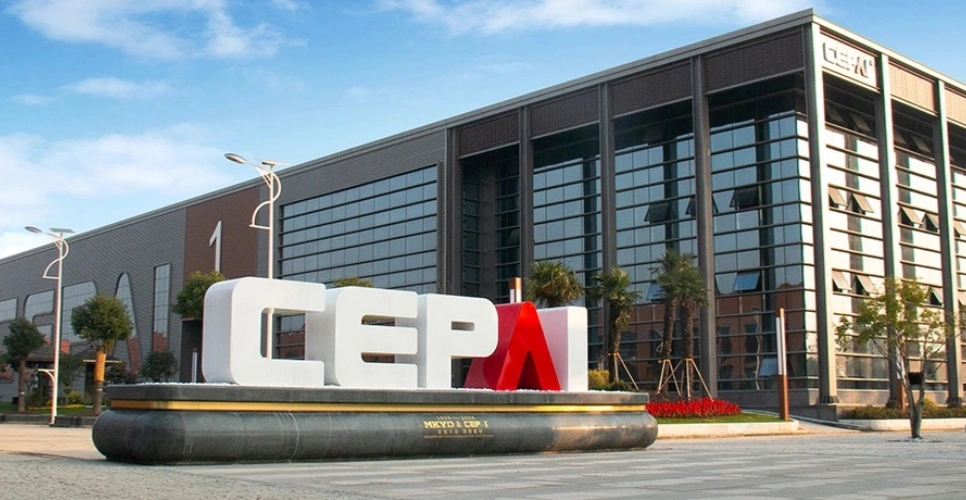
Very few instruments are self-acting. Your metal tube flowmeter is sitting next to valves, regulators, and pipeline equipment, so a supplier that understands the whole system can anticipate interface concerns. CEPAI Group is a national high-tech enterprise established in 2009. The plant covers an area of 56,000 square meters, with a registered capital of 200 million yuan. It specializes in wellhead devices, pipeline and regulating valves, instruments and meters. It is a recognized supplier to major oilfield and engineering companies operating in China, and its expertise can aid with selection, documentation, and delivery from one point of contact.
| Supplier Check | CEPAI Strength |
|---|---|
| Established | 2009, national high-tech enterprise |
| Certifications | API Q1, API 6A, API 6D, ISO 9001, ISO 14001, ISO 45001, CE |
| Laboratory | CNAS-recognized laboratory |
| Industries served | Oil and gas, petrochemical, power, metallurgy, water treatment |
Conclusion
The most important features of a flowmeter for a metal tube flowmeter may be divided into four categories. 9. Process data such as fluid, range, pressure, and temperature; Construction options: materials, connection, and indicator. Performance factors include accuracy, installation orientation, and pressure drop; safety, certification, and supplier support. Specify each clearly before you ask for a price, and you’ll acquire the proper instrument the first time. If any of these are missing, it typically results in poor readings, delays, and rework. The research strength, proven quality systems, and industry expertise of CEPAI Group will enable engineers to choose and use flow instrumentation with confidence from the first inquiry through to commissioning and long-term service.
FAQ
1. What is a metal tube flowmeter?
It is a variable area flowmeter with a metal measuring tube and float, used for liquids, gases, and steam.
2. Why choose metal instead of glass?
Metal handles higher pressure and temperature, and suits opaque or aggressive fluids.
3. How should it be installed?
Mount it in a vertical pipeline with flow upward, supported, and away from strong magnetic fields.
4. What outputs are available?
Options include local indication, limit switches, 4–20 mA signals, and HART communication.
5. Can it be used in hazardous areas?
Yes, with the right certification for the area classification and gas group.
Ready to Choose the Right Metal Tube Flowmeter? Talk to CEPAI
Every process has its own demands, and the right instrument begins with a clear conversation. Send your fluid data, flow range, pressure, temperature, and area classification to sales@cepai.com, and the CEPAI team will reply with professional selection advice, a datasheet, and a tailored quotation. With certified quality systems, a CNAS-recognized laboratory, and experience across oil, gas, chemical, and power projects, we are ready to help you measure flow accurately and safely with a metal tube flowmeter.

Get professional pre-sales technical consultation and valve selection services, customized solution services.
About CEPAI
Popular Blogs