How to Select a Triple-Offset Butterfly Valve for Oil and Gas
Oil and gas operators need isolation and control valves that are able to close firmly under pressure, tolerate temperature changes and keep on working over long service periods. A triple-offset butterfly valve is developed for these specific uses. The design provides a bubble-tight, frictionless disc in a small, lightweight body that is less costly to install than an equivalent-sized gate or ball valve. But choosing the correct triple offset butterfly valve is more than just size and price. This guide describes how the design works, what technical parameters are important, where the valve fits best in upstream, midstream, and downstream facilities, and how to assess the quality before you purchase.
How a Triple-Offset Butterfly Valve Works
The Three Offsets Explained

The first offset of a triple offset butterfly valve moves the shaft behind the sealing plane, the second offset moves the shaft away from the centerline of the pipe, and the third offset deflects the axis of the conical seat from the bore. These offsets cause the disc to swing away from the seat as soon as it begins to open and only touch it in the last few degrees of closing. There is practically minimal sliding contact between the disc and the seat; hence wear is minimised and the torque is low. For operators, this means the triple offset butterfly valve will continue to provide a tight seal for many cycles.
Metal Seat and Laminated Seal Design
Most oil and gas type versions use a metal-to-metal seat arrangement. The disc is provided with a laminated sealing ring of alternating layers of stainless steel and graphite. The body seat is hard-faced with Stellite or other equivalent overlay material. This design is fire resistant, better handles abrasive particles than elastomer seats, and can sustain high temperatures. A well-designed triple-offset butterfly valve, with a laminated seal, will remain leak-tight during temperature cycles, and very often the seal may be replaced without removing the valve from the line, reducing shutdown time.
Flow Characteristics and Operating Torque
The disc profile gives the valve a smooth, virtually linear to equal % response for a substantial chunk of its travel, which offers excellent throttling as well as isolation. The torque is highest during breakaway and seating; hence, the actuators are built with a buffer for these conditions. A triple-offset butterfly valve has less pressure loss than other globe types, and is significantly lighter than a comparable gate valve. This makes it an excellent alternative for large-diameter pipes when space and support structures are limited.
| Feature | Triple-Offset Design | Benefit for Oil and Gas |
|---|---|---|
| Seating | Cam action, no rubbing | Long seal life |
| Seat material | Metal with laminated ring | High temperature and fire resistance |
| Body | Compact wafer, lug or flanged | Saves weight and space |
| Torque | Low running torque | Smaller actuators |
| Shut-off | Bubble-tight possible | Reduced leakage and emissions |
Key Selection Criteria

Pressure Class, Size and Temperature Range
Begin with the operational data. Typical pressure ratings for a triple-offset butterfly valve in oil and gas are ASME Class 150 through 600; higher classes are available for special purposes. Pressure-temperature chart: Allowable pressure falls as temperature rises. Valves are available in sizes from very small to very large diameters and, with the proper materials, can operate successfully throughout a wide temperature range from freezing temperatures to several hundred degrees centigrade. The triple-offset butterfly valve is rated with a safety margin that you ensure by giving your maximum, minimum, and normal conditions to the vendor.
Body, Disc and Seat Materials
The substance of the fluid is different. WCB is carbon steel for general hydrocarbons, LCC is for cold service, and stainless or duplex grades are for corrosive or marine use. Sour gas materials should be NACE MR0175 / ISO 15156 compliant. The disc is normally stainless steel and the seat is hard-faced for wear resistance. Match the wetted parts to the medium so that the triple offset butterfly valve will resist corrosion and erosion for the complete design life.
Connections, Actuation and Accessories
Choose wafer, lug or double-flanged bodies to suit the pipe when using butt-welded ends for permanent installations. Actuators are manual gearboxes, pneumatic, electric or hydraulic devices selected for torque, speed and fail-safe action. Accessories include limit switches, positioners, solenoid valves and handwheels. When ordering a triple offset butterfly valve, include the available air or power supply and any hazardous-area certification so the whole package is ready for commissioning and interfaces smoothly with the control or emergency shutdown system.
Applications in Oil and Gas Operations
Upstream Production and Gathering
In production platforms and collecting stations, when weight and space are limited, separators, manifolds, and export lines are separated by a triple offset butterfly valve. The tiny body and fire-resistant metal seat are perfect for the job, excellent for offshore and remote onshore locations. The quarter-turn mechanism allows for rapid closure in case of emergency shutdown. The valve can handle sand and particles that may be present in the produced fluids. The use of a corrosion-resistant alloy enables the triple-offset butterfly valve to reliably work in the wet, salty, and sour environments typical of upstream activity.
Midstream Pipelines and Storage
Large-diameter valves are utilised for isolation and block service in pipelines, compressor stations and storage terminals. A triple-offset butterfly valve is substantially lighter than a corresponding gate valve. This reduces the support steel and installation cost. Tight shut-off prevents product loss and meets environmental criteria, and low operating torque makes the actuators economical. The triple-offset butterfly valve offers dependable isolation and rapid operation for tank farms and loading lines, and is perfect for remote or automated operation from a central control station.
Downstream Refining and Petrochemical Plants
Refineries and petrochemical facilities operate at high temperatures with steam, hydrocarbons, and utility streams. The triple-offset butterfly valve is utilised for cooling water, flare lines, process isolation and heat-transfer circuits, and its metal seat resists thermal cycling. Plant safety and environmental laws are addressed by fire-safe construction, anti-static devices and low-emission stem sealing. A common family of triple offset butterfly valves throughout the units reduces the spare parts inventory and simplifies training of maintenance staff.
| Sector | Typical Duty | Suggested Features |
|---|---|---|
| Upstream | Manifolds, export lines | Corrosion-resistant alloy, fire-safe |
| Midstream | Pipeline block valves | Large size, electric or hydraulic actuator |
| Refining | Flare, steam, cooling water | High-temperature seat, low emission |
| Storage | Tank isolation | Quick quarter-turn, tight shut-off |
Standards, Testing and Installation

Standards and Certifications
Buyers may use established standards as a dependable reference. API 609 is for butterfly valves. API 6D applies to pipeline valves. ASME B16.34 is for pressure-temperature ratings. API 598 is about inspection and testing. Fire safe certification is based on API 607 or ISO 10497, and low emission performance may be verified according to ISO 15848. Production is controlled, as shown by quality systems such as API Q1 and ISO 9001. Please provide the following parameters on your Purchase Order so that each triple offset butterfly valve is manufactured, tested, and documented to the same accepted standards.
Factory Testing and Documentation
Request hydrostatic shell and seat tests, material certificates, dimension reports, and any non-destructive testing required. For crucial lines, do seat leakage tests in the agreed leakage class and observe testing by a third party. The torque data and the final data book are important for sizing actuators and for further maintenance. “Inspectors can be sure that they have a full record of every triple-offset butterfly valve, which will provide a permanent record for asset management, audit and future repairs.
Installation and Maintenance Practice
Prior to installation, clean the pipeline to remove weld slag and other material that might harm the seat. Center the valve between flanges. Tighten the bolts in a cross pattern. Verify that the disc is fully cleared in the open position. Check the actuator limits and run the triple offset butterfly valve through the commissioning cycle a number of times. Check stem packing in service. Grease gears as shown, record torque and stroke timings. This process preserves the smooth operation of the valve and extends the interval between overhauls.
Why Choose CEPAI for Oil and Gas Valve Solutions
A Manufacturer with Strong Credentials
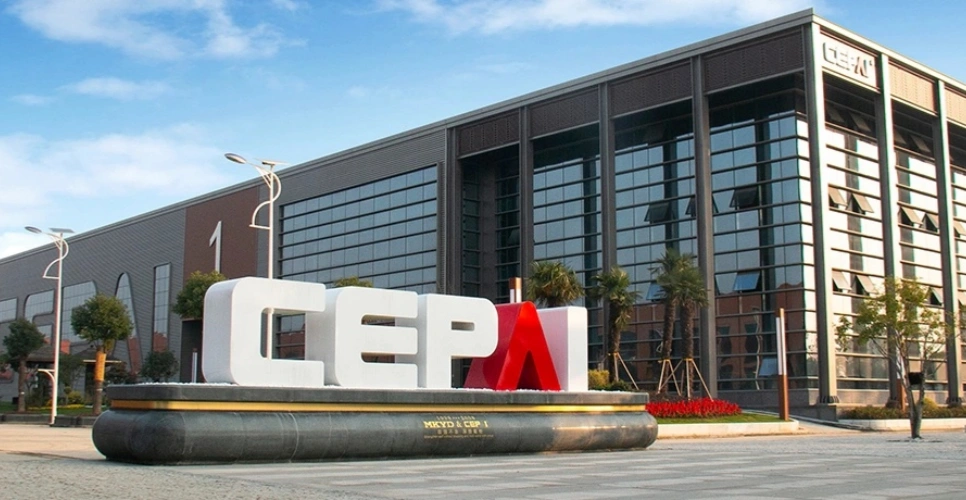
Established in January 2009 in Jinhu Economic Development Zone, Jiangsu Province, CEPAI Group Co., LTD. is a national high-tech enterprise and a “specialized and special new small giant” enterprise. It has a registered capital of 200 million yuan, covering an area of 56,000 square meters, manufacturing wellhead equipment, pipeline valves, wellhead valves, control valves and instruments for oil and gas drilling and production. It is accredited to API Q1, API 6A, API 6D, API 16C, API 602, ISO 9001, ISO 14001, ISO 45001 and CE. CEPAI triple offset butterfly valve, born of mature engineering and continual quality.
Technology Platforms and Testing Capability
CEPAI’s capabilities are supported by Jiangsu provincial Fluid Control Engineering Technology Research Center, Jiangsu Province High-Performance Fluid Control Device Engineering Research Center, a provincial Industrial Design Center, and a CNAS nationally acknowledged laboratory. These platforms allow for rigorous validation and testing of the design so that each triple-offset butterfly valve really meets the standards it promises to meet. The company is also a Jiangsu smart factory, an Internet benchmark plant, and a Mayor Quality Award winner.
Industry Chain Experience and Customer Trust
CEPAI is in the middle of the valve industry chain, working with upstream suppliers of castings, forgings, seals, and control components, and serving downstream clients in the petrochemical, power, metallurgy, and water treatment industries. It is a supplier to PetroChina, Sinopec and CNOOC and works with companies such as China Huaneng, Wanhua Chemical and Baowu Group. Its emergency cut-off and regulating valves are field-tested. So a CEPAI triple-offset butterfly valve provides practical competence and rapid technical support.
Conclusion
Selecting a triple-offset butterfly valve for oil and gas service starts with an understanding of the cam-action seating that provides tight shut-off and long seal life. Choose materials for the body, disc, and seat compatible with the medium, including sour or corrosive conditions, and establish pressure class, temperature range, fluid, and size. Choose the valve for the service desired, whether it is upstream, midstream, or downstream, establish the known standards such as API 609 and API 6D, and demand comprehensive testing and documentation. Add appropriate installation and monthly maintenance to all this, and the picture is complete. When you start your next project, give a certified manufacturer a call and get a quote to suit your needs.
FAQ
What is a triple-offset butterfly valve?
It is a quarter-turn valve with three offsets that let the disc seat without rubbing, giving tight, durable shut-off.
Why is a metal seat used in oil and gas?
It resists high temperatures, fire, and abrasive particles better than soft seats.
Which standards apply?
API 609, API 6D, ASME B16.34, and API 598 are widely used references.
Can it be automated?
Yes. Pneumatic, electric, and hydraulic actuators are common, with fail-safe options.
Is it suitable for sour service?
Yes, with materials that comply with NACE MR0175 / ISO 15156.
Request a Triple-Offset Valve Quote from CEPAI Today
Are you looking for a triple offset butterfly valve for your oil and gas application? The CEPAI team is available to help you choose the best size, materials, seat design, and actuation for your application. Send us your fluid, pressure, temperature, and installation data, and we’ll recommend a suitable solution and provide the certifications and test reports necessary for your project. Whether you are building new facilities or updating existing lines, we provide dependable quality and timely service. Send your inquiry to sales@cepai.com, and we will reply promptly with a tailored proposal. Contact CEPAI today and secure reliable isolation for your pipeline.

Get professional pre-sales technical consultation and valve selection services, customized solution services.
About CEPAI
Popular Blogs